The South China Sea: America’s Next Warzone
With Russia and Ukraine at odds, many fear that the United States will be dragged into another war with China as a result of another big crisis. Due to the recent rhetoric from US senators and their visits to Taiwan, as well as unprecedented Chinese incursions into Taiwan’s Air Defense Identification Zone, this is a reasonable conclusion (ADIZ).
People believe that Russia’s invasion of Ukraine proves that if China invaded Taiwan, the United States would refrain from employing direct military action. The United States has no legal responsibility to send military forces to a non-NATO country during the Ukraine war. Although the United States has a good relationship with Taiwan, the Taiwan Relations Act of 1979 does not guarantee that the United States will intervene militarily if China invades Taiwan.
It is possible that China might win the war before American troops arrive in Taiwan because of the long distances they would have to travel to gather troops from both inside and outside the theater of operations in order to get there. Because of the importance of Ukraine to Russia and the potential lengths to which Russia would go to retake Ukraine, the United States chose not to intervene. As far back as Catherine the Great and the Soviet Union, Russia has had a strong cultural and symbolic relationship with Ukraine.
Due to the cultural and nationalistic linkages between China and Taiwan, China has sought to reassert its dominance over the island since its founding in 1949. Unlike Taiwan, the United States stayed out of the Ukraine crisis in order to avert a nuclear arms race, which is very similar to the situation in Ukraine. Chinese foreign policy has included recognition or nonrecognition of Taiwan over the years, and Xi Jinping’s leadership has made it plain that reunification of Taiwan will be a major component of his legacy.
Related Posts
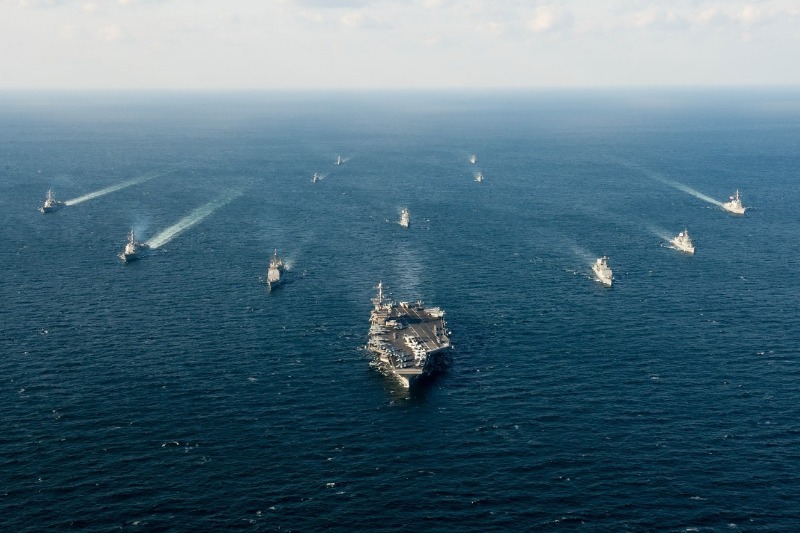
A military conflict in Taiwan is unlikely to prompt action by the United States, while a conflict in South China Sea is more likely to need action by the US. U.S. military intervention is likely to occur in the South China Sea next, as a result of legal obligations toward the Philippines, an ability to generate forces comparable to China in the region, and a lack of emotional attachment by Beijing to the South China Sea on China’s part, as opposed to Taiwan.
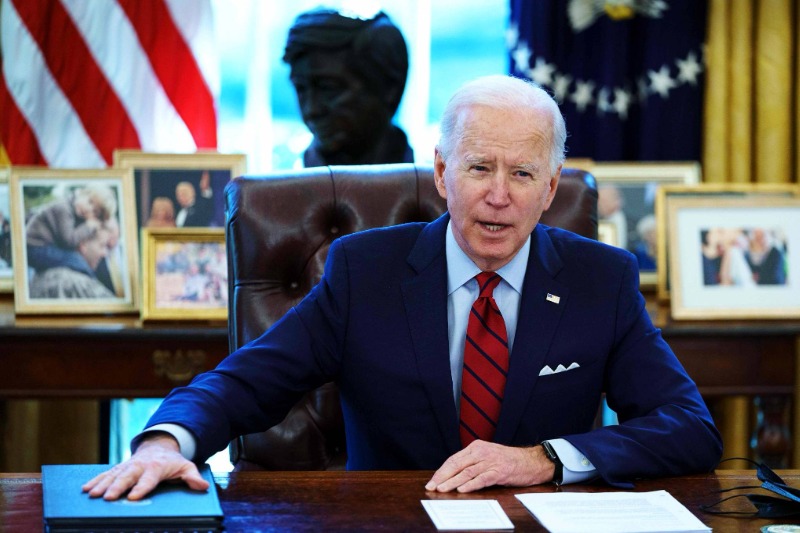
The Philippines, with which the United States has a treaty of mutual defense, is a significant claimant to islands in the South China Sea. President Joe Biden has reinforced this defense accord, which includes the Chinese Maritime Milita’s attacks. For the Spratly Islands in the South China Sea, the United States is still able to create greater air and naval power than China can, as compared to Taiwan, which is only 100 miles off the coast of the mainland of China. Reunification of Taiwan with China lies at the heart of Xi Jinping’s “Chinese Dream” and “national rejuvenation” plans as well as his legacy.
Compared to the South China Sea, the reunification of Taiwan is a much more sensitive and important national political issue for China. The South China Sea, not Taiwan, will be the next area in which the United States will get involved.