Why Mouth Tape Became One of the Fastest-Growing Wellness Searches in 2026
A few years ago, the thought of taping your mouth shut before bed would have seemed strange to most people. In 2026, however, it has turned into one of the internet’s hottest wellness trends. On TikTok, Instagram, YouTube, and wellness forums, mouth tape has moved from a niche sleep idea to a widespread practice. Millions now say that putting a simple strip of tape over their lips before sleep helps them wake up feeling more refreshed, breathe better, and snore less. As the trend grows, sleep specialists are asking an important question: is there real science to support the claims?
The Sleep Hack Everyone Is Talking About
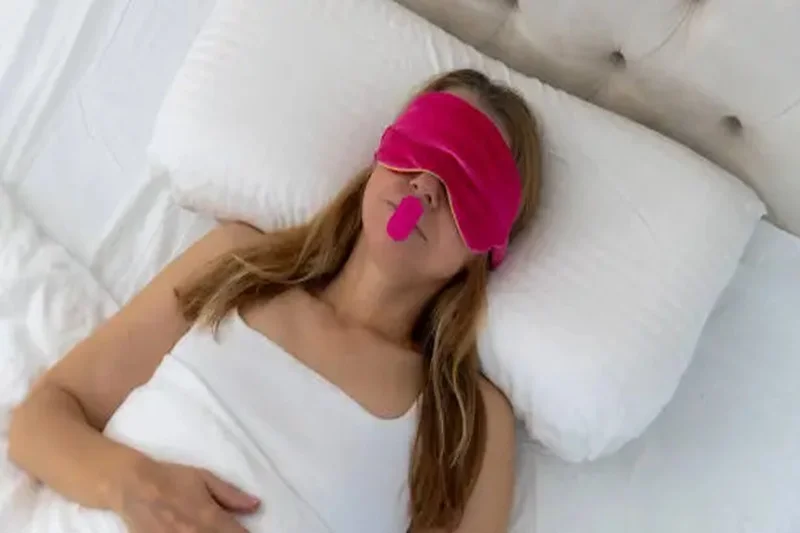
Mouth taping is the act of applying a specific type of tape to the lips prior to going to bed. The goal is simple: get you to breathe through your nose and not your mouth at night. Nasal breathing advocates say it has a host of natural advantages. The nose screens out dust and allergens, adds moisture to incoming air, and helps regulate airflow before it reaches the lungs. But mouth breathing is frequently linked to dry mouth, bad breath, throat irritation, and snoring. The practice also has the appeal of simplicity. Mouth tape is an affordable fix that takes seconds to apply, unlike expensive sleep gadgets or complicated wellness routines.
How Mouth Tape Went Viral in 2026
The trend of mouth tape is an example of a larger phenomenon in wellness culture that is influenced by social media and impacts health behaviors. Videos with #mouthtaping have amassed tens of millions of views. Users share personal stories, before and after stories, and dramatic stories. Many artists say they wake up with less dryness, sleep better quality or have fewer complaints from their partners about snoring. The more these testimonials spread, the more people wondered. Meanwhile, health-conscious consumers are increasingly focused on optimizing sleep. More than ever people are trying to get a better quality of sleep This includes sleep trackers, sleep aids, and recovery-focused regimens. Mouth tape fits well into this trend, looking simple, cheap and easy to try. The demand was growing and businesses quickly took note. What began as a simple tape turned into a rapidly expanding market of branded sleep strips for overnight use. The premium packaging and wellness branding have made a commodity into a thriving business category.
What the Research Actually Says
Despite the online hype, there is little scientific evidence for mouth taping. Experts in sleep medicine say “a lot of the benefits that are being shared on social media are largely anecdotal stories, not based on large-scale clinical studies.” Dr. Indira Gurubhagavatula, a sleep medicine specialist and professor at the University of Pennsylvania, is among those urging caution. There is not much good evidence in the existing research to support many of the claims about mouth taping, she said. Research into this practice has shown little measurable improvement in snoring, mouth breathing or sleep-disordered breathing. Some users report positive experiences, but experts say these results have not been consistently supported by rigorous scientific testing. This tension between viral popularity and scientific proof has become a common theme in today’s wellness culture.
Potential Risks People Should Know About
Health professionals are particularly concerned that mouth taping may not be appropriate for everyone. Those with blocked nasal passages, chronic congestion or structural breathing problems may have difficulty breathing comfortably with their mouths taped shut. If you have undiagnosed sleep apnea, this practice may worsen your breathing problems during sleep. Other common complaints are irritation of the skin around the lips, discomfort and anxiety of feeling restricted while sleeping. Those with pre-existing respiratory conditions or who are experiencing ongoing sleep-related symptoms should generally seek medical advice before trying mouth taping.
A Trend That Says More About Wellness Culture Than Tape
The rise of mouth tape might be a symptom of something bigger than the product itself. Today’s consumers want instant solutions for complex health problems. Quality sleep, stress management, relieving fatigue and recovery are now the priorities. Social media offers quick answers that travel faster than scientific research can evaluate them. This trend points to the fact that personal stories are often more powerful online than clinical evidence. The more positive public experiences that people have, the more willing others are to try new practices against the advice of medical experts. Wellness brands, meanwhile, are capitalizing on that growing demand. They’re building products on viral habits, they don’t need long term evidence for them.
Should You Try Mouth Tape?
Experts usually caution against getting swept up in excitement. If you snore regularly, feel too sleepy during the day, have interrupted sleep or have difficulty breathing, speak to a sleep specialist before trying mouth taping. These symptoms may be a sign of underlying conditions that need to be diagnosed and treated appropriately. If you’re looking to improve nasal breathing, experts often recommend tackling congestion, trying out breathing exercises and understanding the root causes of sleep issues rather than just using viral sleep hacks. Almost never is a quick fix the route to a better night’s sleep. More often it starts with figuring out what’s really causing the problem. With mouth tape still a hot topic in wellness in 2026, one thing is obvious: The trend has gained the interest of the public. It is still a question that researchers are trying to answer whether it will eventually receive scientific backing.
FAQs
What is mouth tape?
Mouth tape is a strip of special tape that goes over the lips during sleep. It encourages breathing through the nose instead of the mouth.
Why has mouth tape become so popular in 2026?
Its popularity comes from viral social media videos, increased interest in improving sleep, and strong marketing from wellness brands.
Does mouth tape help reduce snoring?
Some users say they see improvements, but current scientific evidence does not strongly support mouth taping as a reliable solution for snoring.
Is mouth tape safe for everyone?
No. People with sleep apnea, nasal blockage, respiratory issues, or breathing challenges should talk to a healthcare professional before trying it.
What are alternatives to mouth tape?
Nasal breathing exercises, treating congestion, improving sleep habits, and getting professional help for ongoing sleep issues are considered safer and more supported by evidence.
Explore the latest ChatGPT trends, tools, and updates.
Can You Buy ChatGPT Shares?
Find out how retail investors can access pre-listing opportunities.
Need AI-Powered Insurance Quotes Fast?
Check out how ChatGPT is transforming cycling insurance.
Where Is ChatGPT Still Banned?
Uncover the countries restricting access to the AI tool.
Is ChatGPT 5 Worth Switching?
Compare the key differences between ChatGPT 5 and Grok 4.
Why Is ChatGPT Not Working?
See when service disruptions may be resolved and restored.