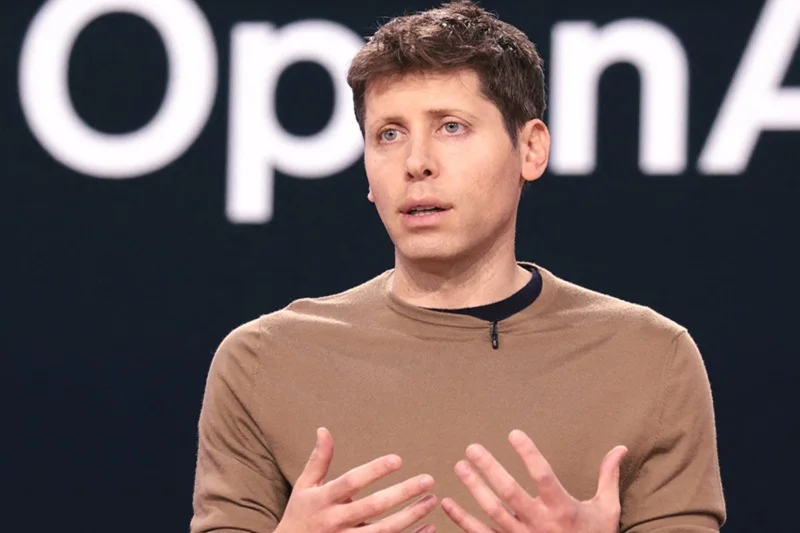
How Retail Investors Can Buy Pre-Listing ChatGPT Shares
OpenAI’s reported move toward an initial public offering is generating fresh excitement among retail investors eager to own a stake in the company behind ChatGPT. As speculation around a potential listing grows, many investors are searching for ways to buy OpenAI shares before the company officially enters the public market. While OpenAI remains a private company, there are still a few ways investors may gain exposure before the IPO. However, buying pre-IPO shares is far more complex than purchasing publicly traded stocks, and it comes with significant risks that retail buyers should understand before committing money.
Why OpenAI’s IPO Has Been Getting All the Talk
OpenAI has grown fast to become one of the most prominent players in the field of AI. Following the sudden surge of interest that ChatGPT caused all around the world, OpenAI has managed to attract the interest of many stakeholders. The latest reports indicate that OpenAI may have filed its secret documents for an IPO with the assistance of some big investment banks. Although timelines can change, even early IPO discussions are enough to drive heavy investor interest. The company’s strong position in generative AI has made many investors view OpenAI as one of the defining technology stories of the decade. That perception is increasing demand for early access to shares before a public listing occurs. Distinguishing Between Pre-IPO Shares and IPO Shares. Before investing in any organisation, it is essential that one knows about pre-IPO and IPO shares.
Pre-IPO Shares
Pre-IPO shares refer to those privately-held stocks of an organisation that belong to the founders, employees, venture capitalists, or other early investors. This stock is generally available via private secondaries. This kind of stock may involve irregular pricing due to the firm being privately held.
IPO Shares
As soon as a company makes itself public, IPO shares will be made available.
Most often, IPO shares will be accessible to retail investors via the concerned brokerages.
According to reports, OpenAI might set aside some of its IPO shares for retail investors.
Access to OpenAI Shares by Retail Investors
Awaiting the IPO Allocation
For most retail investors, waiting for the official IPO allocation could be the easiest and safest way. Many large brokers offer IPO allocation services where retail customers can make requests even before the trading begins. As soon as OpenAI confirms the listing, retail investors will be able to buy their shares on the broker’s trading platform. This method usually ensures higher transparency, avoids any potential legal troubles, and provides immediate liquidity upon listing. Still, the demand for popular IPOs is always very high, thus resulting in smaller retail allocations.
Using Secondary Marketplaces
There are a few regulated secondary marketplaces that facilitate the buying of privately-held stock before the listing. These marketplaces aim to match early investors, like employees or venture capitalists, with external buyers interested in pre-IPO purchases. However, caution is advised, since many platforms will demand identity verification, suitability tests, and minimum investment requirements. The commission charges from such platforms can also be higher than traditional stock market commission charges. Buyers must carefully assess the reputation, legality, and transfer limitations of the shares associated with the platform.
Invest via Funds or AI Focused Products
One could also invest indirectly by putting money into an investment fund that holds the private technology shares. Certain AI-focused funds or venture capital-type vehicles may be holding the shares of growing artificial intelligence firms, including those linked to OpenAI. The disadvantage here is the extra fees that one has to pay to the fund manager and the low liquidity of the investment.
Private Brokers
Private stockbrokers can also broker private equity deals for pre-IPO technology firms. Such a transaction is normally made to accommodate accredited investors and may entail sizable minimum investment amounts, approval requirements, and lengthy lock-up periods.
Prospective retail investors must be aware of their obligations and risks prior to such an arrangement.
Potential Risks for Retail Investors
Purchasing shares in pre-IPO companies offers high returns. However, such an investment can present significant risks.
Liquidity Risks
It may be tough for investors to liquidate their holdings as pre-IPO stock is not always easy to trade. The lock-up agreement will prevent investors from exiting their positions for months after the IPO.
Valuation Risk
The value of a private company can fluctuate considerably upon its listing. In some cases, the firm could list at a valuation below expectations.
Financial Transparency Risks
Private companies do not offer as much financial transparency as their listed counterparts.
IPO Delay
If a company starts making preparations for an IPO, it can still be delayed or cancelled altogether due to various factors related to the state of the market.
Stay Updated With These Big Stories
Check Why Saudi-Israel Talks Paused?
Explore how Saudi Arabia’s latest stance is reshaping Middle East diplomacy and normalization discussions.
Check What U.S. Strategy Targets?
Explore the new U.S. counterterrorism measures and their impact on global security and policy debates.
Explore Why Tyler Oliveira Was Deported?
Discover the controversy behind Tyler Oliveira’s deportation and the global debate surrounding free speech and creator responsibility.
Discover Which Meta AI Glasses Fit?
Check out the latest Meta AI glasses models, features, and why users worldwide are rushing to buy them.
Explore How Anil Kochhar Changed Lives?
Discover how Anil Kochhar’s generous move helped hundreds of students overcome massive education debt.
Investors’ Perspectives
Should the OpenAI IPO happen, this might be one of the most remarkable technology IPOs in the past few years that would significantly impact investors’ attitudes towards AI stocks. With the help of its monopoly in the market of AI software and applications, the company seems to be shaping the future of the industry. However, even with all these positive aspects, many experts caution investors not to put all their eggs in one basket. Patience might be the better choice for many private investors who should wait until the official listing.
FAQs
Q: How soon will OpenAI file for IPO?
A: Multiple reports say OpenAI is preparing a confidential filing and could file in days or weeks, with a possible public debut targeted for the fall, though timing remains fluid.
Q: Where can I learn about pre‑IPO marketplaces?
A: Reputable finance sites and regulatory guides explain how pre‑IPO markets work; look for platforms with clear compliance, transparent fees, and solid user reviews.