New US Supreme Court Ruling Explained: Can Cannabis Users Legally Own a Gun Under the Revised 2026 Laws?
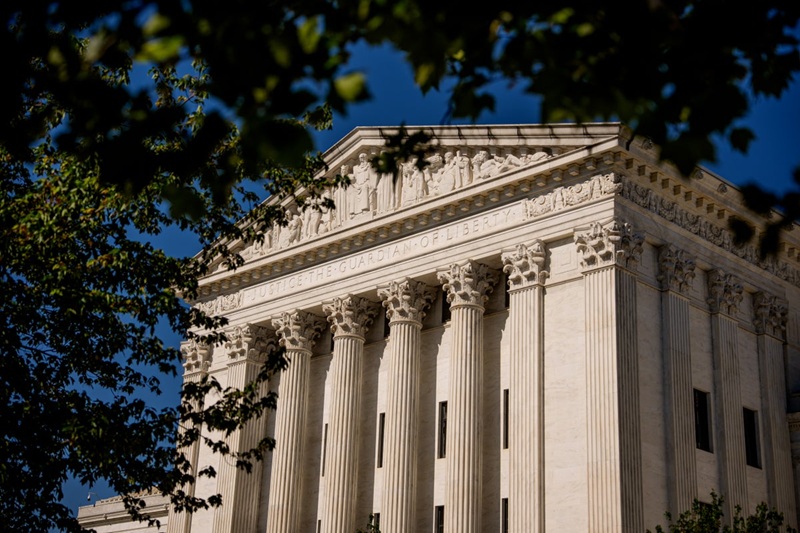
In a unanimous decision that could change the relationship between gun rights and cannabis laws in the United States, the U.S. Supreme Court ruled Thursday that occasional marijuana use alone does not take away someone’s constitutional right to own a firearm. The 9-0 ruling came in the closely watched case involving Texas resident Ali Danial Hemani. This decision marks a significant legal change in recent years for both Second Amendment supporters and those in favor of marijuana reform. Justice Neil Gorsuch, writing for the Court, described the ruling as a limited but important clarification of constitutional protections. The decision does not remove federal restrictions on gun ownership for individuals who are drug-dependent or currently under the influence. Instead, it states that the government cannot automatically deny gun rights to someone just because they use marijuana occasionally.
A Challenge to a Decades-Old Federal Law
At the center of the dispute was a part of the 1968 Gun Control Act, which bans firearm possession by anyone seen as an unlawful user of a controlled substance. For decades, federal prosecutors have used that wording to charge individuals who owned firearms while using marijuana, even in states where cannabis use is legal. The Supreme Court found that enforcing the law broadly against casual marijuana users goes against the rights protected by the Second Amendment. This decision limits the government’s power to enforce the law and clarifies that occasional cannabis use does not automatically disqualify someone from owning a firearm.
How the Ali Hemani Case Reached the Supreme Court
Hemani, a dual U.S.-Pakistani citizen living in Texas, faced charges after federal agents searched his home in 2023 and found a Glock handgun, along with marijuana and cocaine. Court records show that Hemani admitted to using marijuana about every other day. However, prosecutors did not claim that he was under the influence when they found the firearm or that he had used the weapon in any criminal activity. The case gained attention because the FBI had been monitoring Hemani due to his international travel and family connections to Iran. Still, the indictment only addressed his possession of a firearm, putting focus on the federal law against drug users having guns. In 2025, the Fifth Circuit Court of Appeals ruled in favor of Hemani and dismissed the charge. The Supreme Court’s ruling now supports this decision and sets a national precedent.
What the Decision Means for Marijuana Users
The ruling is expected to affect millions of Americans who lawfully use cannabis under state law. For years, they have lived in limbo as marijuana is still banned under federal law. The Court’s ruling means that casual marijuana users cannot be prosecuted for possessing a firearm simply because they use cannabis. But the ruling has important caveats. Federal law still allows prosecution of those who are in possession of a firearm and who are addicted to controlled substances or who are deemed drug-dependent or actively under the influence. Justice Gorsuch said the government still has the authority to target dangerous conduct and to enforce rules against those whose drug use poses a real public safety risk.
A Decision Arriving During a Period of Cannabis Reform
The decision comes amidst significant changes in federal marijuana policy. The Justice Department earlier this year moved marijuana from its longtime Schedule I status to a less restrictive category. The move was a response to actions by President Donald Trump’s administration. The move was one of the biggest shifts in federal cannabis policy in decades, and raised questions about whether current gun restrictions were still constitutional. For many legal analysts, Thursday’s ruling underscores the growing tension between changing marijuana laws and federal regulations that were put into place long before cannabis became widely embraced across the country.
Reactions From Advocates and Legal Experts
Civil liberties groups and gun rights advocates welcomed the ruling. Hemani’s attorney, Niz Ahmad, said the decision protects millions of Americans from harsh criminal penalties based solely on occasional marijuana use while exercising a constitutional right. The ACLU, which backed Hemani’s challenge, argued that the federal ban unfairly punished people who followed state cannabis laws. Supporters of broader Second Amendment protections saw the ruling as another step in the Supreme Court’s recent growth of gun rights, following significant decisions made over the last twenty years. Critics, on the other hand, believe the decision raises new concerns about public safety and gun laws at a time when lawmakers are still debating how to best tackle gun violence in the United States.
Explore the latest ChatGPT trends, tools, and updates.
Can You Buy ChatGPT Shares?
Find out how retail investors can access pre-listing opportunities.
Need AI-Powered Insurance Quotes Fast?
Check out how ChatGPT is transforming cycling insurance.
Where Is ChatGPT Still Banned?
Uncover the countries restricting access to the AI tool.
Is ChatGPT 5 Worth Switching?
Compare the key differences between ChatGPT 5 and Grok 4.
Why Is ChatGPT Not Working?
See when service disruptions may be resolved and restored.
Broader Impact of the Supreme Court’s Decision
The ruling does not invalidate federal gun restrictions tied to drug use, but greatly restricts how prosecutors can use those laws. For casual marijuana users, the decision removes a legal risk that has lingered for years and reconciles a contradiction many saw between state cannabis legalization and federal gun laws. The Supreme Court was clear: Occasional marijuana use, standing alone, is not a reason to take away a constitutional right. As states continue to expand access to cannabis and as the federal government shifts policy, Thursday’s ruling will likely serve as an important precedent in future conversations about gun rights and marijuana reform in America.