What are the overall implications of the geopolitics of technology for 2021?
Geopolitics of Technology: 2020 has been a year where the world has leaped to a new order of power characterized by technology instead of oil, says geopolitical futurist Abishur Prakash.
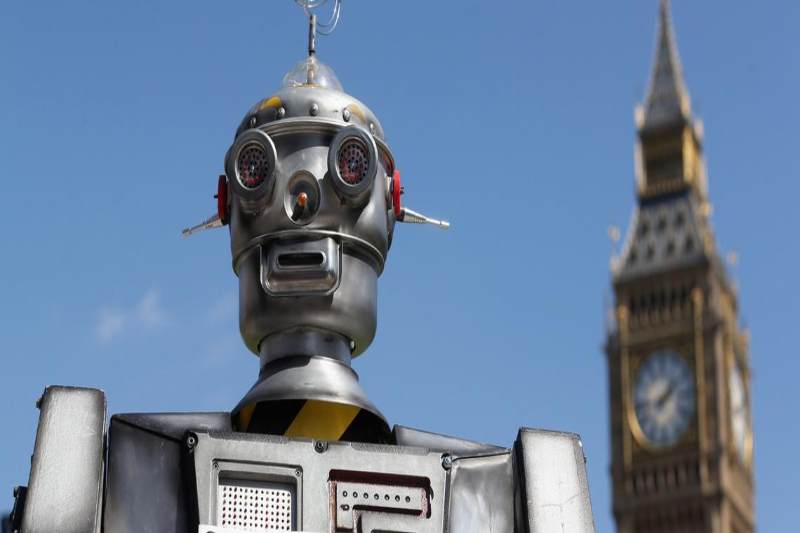
Abshur Prakash is a geopolitical futurist in the Center for Innovating the Future (CIF) in Canada. He is the writer of four books, including Next Geopolitics: Volume 1 and 2, Go.AI (Geopolitics of Artificial Intelligence), and his latest book, The Age of Killer Robots.
With technology progressing very fast and private tech organizations building colossal power, governments have been compelled to adjust to a courageous new siliconized world and with significant ramifications for the fate of the worldwide financial and political framework.
The past model of geopolitics, represented by oil and petroleum gas, was comprised of nations with private sectors holding a global system. In the upcoming Geopolitics, there are not just nations that are geopolitical players, however, tech companies have become global partners in their own power and should be treated accordingly, Prakash revealed to The National.
Prakash added that the new global turning point will emerge with the use of AI and advanced mechanics by militaries.“There is presently a shroud of vulnerability over what could occur on the planet because of militaries’ getting subject to automated combat,” He highlighted the killing of Mohsen Fakhrizadeh, Iran’s top atomic researcher.
In matters of tech governance, World powers will need to set up new zones and policies to make information sovereign. All in all, the data assembled online by companies will be dependent upon the laws of the nation in which it is gathered or handled and stay within its borders.
For instance, As India had passed information localization laws, first introduced during PM Narendra Modi’s election, or in the EU’s proposed strategy aiming to produce a single market for data sharing.
“There has been a perpetual shift in democracies around the globe saying, we won’t permit Facebook, Alphabet, whomever – to hold the information without sharing,” Now the battle is amid Big Tech and world powers, says Prakash.
As per the CIF, countries will disrupt guidelines in space to set up dominance and the international danger is about placing claim to the region and annoying other rival nations.
The Outer Space Treaty, sanctioned by the UN in 1967, is an obsolete enactment that has left the world defenseless against countries laying their case past Earth’s atmosphere.
At present, there is a need for tighter rules on 5G and AI. The danger of extinguishing new innovations in this next race of technology is inconceivably high because there is no current playbook to utilize or monitor it, Prakash added. With lots of money invested in innovations, organizations will lose a great deal if international relations disrupt the regular flow, he added.
The upcoming race to 5G is causing new groups to emerge. These are alliances that are representing the new foreign policy declaration of the countries, as per CIF, and choosing teams over 5G has a lot more extensive ramifications for international strategy than what pioneers understand.
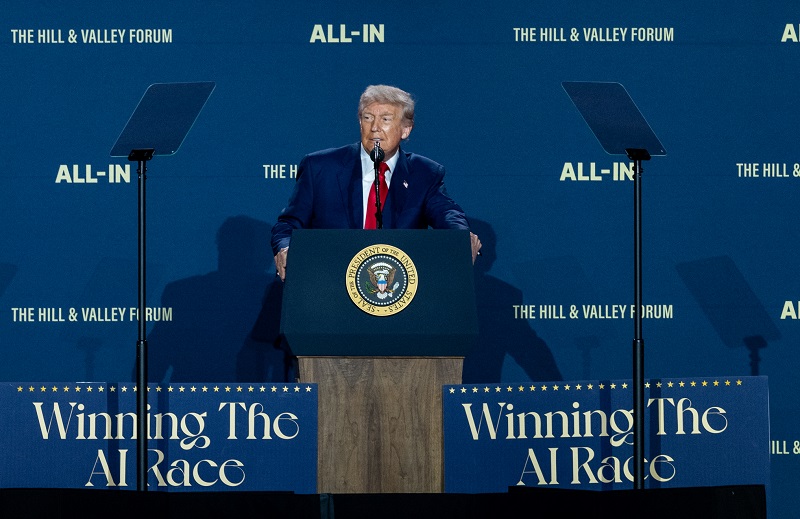
The Trump team has boycotted Chinese tech goliath Huawei’s 5G and has the two countries and telcos the same to sign on. Members incorporate the UK, Poland, Czech Republic, Sweden, Denmark, and Latvia just as France’s Orange and Jio in India.
Each country has desires to become technologically powerful. The financial plan of nations is progressively turning, particularly in a post-pandemic recuperation, around AI, robotics, and blockchain. As countries race to become tech powers, there is presently a battle of expertise. Simultaneously, geopolitics and the case of China’s supremacy in 5G is building a new fear within the minds of many nations, Prakash expressed.
He added “We believe that China will make an extreme move in 2021 and could tell enormous US tech companies that rely upon the Chinese market that it will forbid it from getting any chips. This has gigantic geopolitical ramifications and also ruin any idea of the US and China getting back together in the future.