What Is the Ocean’s Twilight Zone? How Trillions of Deep Sea Creatures Migrate Every Night
Every night one of the greatest spectacles of wildlife on earth takes place far below the ocean surface, completely unseen by mankind. As darkness falls, trillions of tiny marine creatures ascend from the depths of the ocean and begin an incredible journey to the surface. Before dawn they disappear again into the dark. This fantastic movement has been known to scientists for years but a growing body of research is showing that it is more than just an interesting natural phenomenon. Such a huge migration is essential to the health of marine ecosystems, and it might even affect the Earth’s climate.
What Is the Ocean’s Twilight Zone?
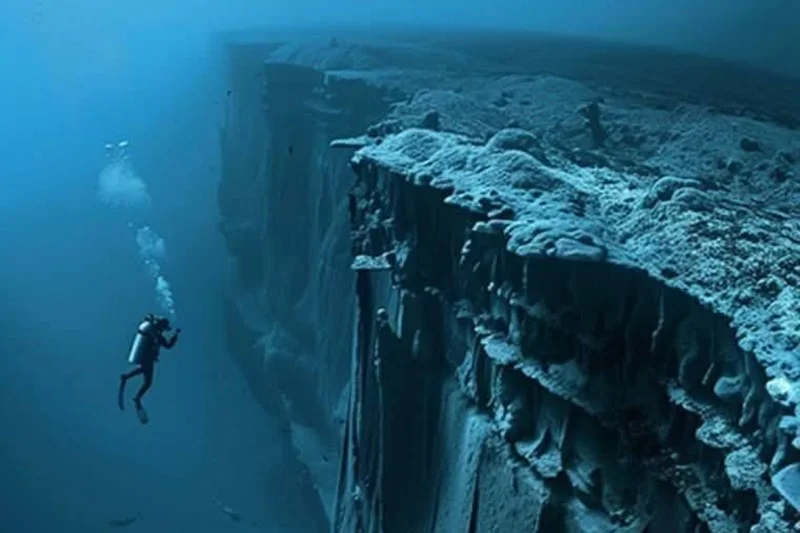
The ocean’s twilight zone, or mesopelagic zone, extends from about 200 to 1,000 meters beneath the ocean surface. Sunlight hardly penetrates this layer, so it is too dark for plants to photosynthesize. And yet it is one of the most densely populated habitats on the planet, although there is no light. The twilight zone is neither fully dark nor fully lit, but somewhere in between the upper ocean, illuminated by sunlight, and the dark deep sea below. It covers the world’s oceans and includes an amazing diversity of sea life, much of which has developed special adaptations to cope with the gloomy surroundings.
The World’s Largest Daily Migration
Every night, thousands of zooplankton, lanternfish, squid, jellyfish and other small marine organisms begin a journey known as diel vertical migration. It is thought to involve the greatest number of animals of any daily migration on Earth. The answer is, surprisingly, pretty simple. Food and survival. These creatures rise to the surface of the ocean to feed on microscopic plants and other nutrients under the cover of darkness. The sun comes up, he says, and they go back hundreds of meters into the depths, where they are protected from the vision predators. Scientists describe this as the ocean’s daily commute, in many ways, feeding near the surface at night and returning home to the safety of the deep during the day.
Why Scientists Are Paying Closer Attention
Interest in the twilight zone has exploded in recent years, as scientists continue to reveal its importance in regulating the planet’s climate. They transport carbon in their waste and natural biological processes when they feed near the surface and then go down into deeper waters. This movement helps to remove carbon from the atmosphere and bury it in the deep ocean, a process known as the biological carbon pump. It might seem like a small thing for an individual animal, but when trillions of animals are doing it every night, the effect is enormous. Scientists believe this invisible migration could play a big part in storing Earth’s carbon over the long term, making the twilight zone an important piece of the global climate puzzle. As climate change alters ocean temperatures and interest in deep-sea fishing and resource extraction increases, understanding this ecosystem has become more urgent than ever.
Don’t Miss These Trending Stories Everyone’s Talking About
Looking for Nothing Phone (4a) Deals?
Discover the best Flipkart GOAT Sale offers on the Nothing Phone (4a) and earbuds before they sell out.
Who Joined Taylor’s Dream Wedding?
Explore the celebrity guest list, memorable moments, and fan reactions from Taylor Swift and Travis Kelce’s wedding.
How Did Harry Make History?
Check how Harry Styles’ Wembley residency earned him a Guinness World Record and broke attendance records.
Need New Open-World Games Today?
Discover seven near-perfect open-world games that deserve a spot on your must-play list.
Did Taylor Swift Really Get Married?
Explore everything about Taylor Swift and Travis Kelce’s star-studded New York City wedding ceremony.
Why the Twilight Zone Matters
The ocean’s twilight zone is far more than just a mysterious stretch of water lurking beneath the waves. It supports food chains that link tiny floating organisms with larger predators and helps to maintain the health of marine ecosystems around the world. Beyond marine biology it is also of great importance. Fisheries, climate regulation, biodiversity conservation and future debates over deep-sea resources all connect to this poorly understood region. As human activity moves into deeper parts of the ocean, protecting and studying the twilight zone is going to become more and more important, researchers say. What happens in this hidden world affects the health of the oceans, and therefore, the planet.
Frequently Asked Questions
What is the “twilight zone” of the ocean?
This twilight zone of the ocean, or mesopelagic zone, is about 200 to 1,000 meters below the surface, where only a small amount of sunlight gets through.
Why do deep sea animals come up every night?
After sunset they swim to the surface to feed, the darkness protecting them from predators. They return to deeper water before sunrise, to avoid the danger of being hunted.
How many animals are part of this migration?
It’s the world’s biggest daily migration of animals. Scientists estimate trillions of marine organisms participate every night.