

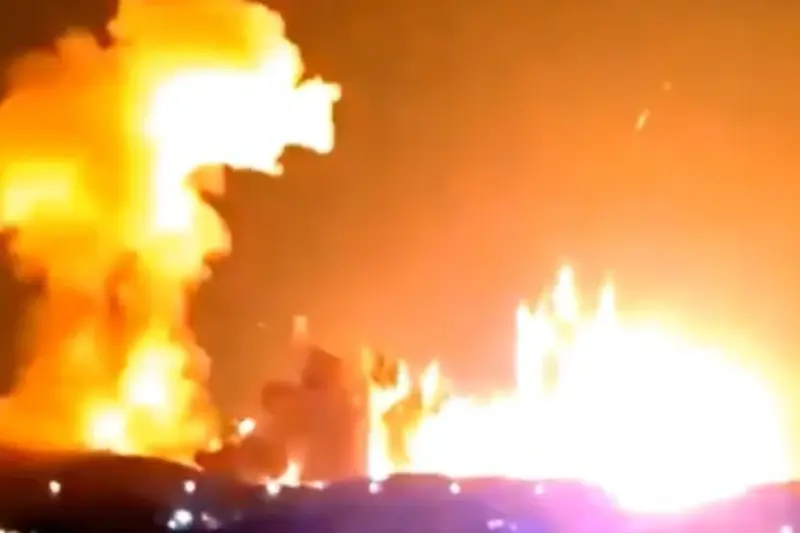
US Carries Out Defensive Strikes on Iran’s Qeshm Island: What Happens Next in the Gulf?
Explosions on a quiet Iranian island. Air raid sirens in Kuwait and Bahrain. Oil traders glued to their screens. The US strikes on Qeshm Island were over quickly, but the aftershocks are still moving through the Gulf, and eventually through your fuel bill.
What Happened on Qeshm Island
In early June, US Central Command said American forces struck an Iranian military ground control station on Qeshm Island, calling it self-defense after attempted Iranian attacks across the region. No US personnel were injured.
Tehran told a different story. The Revolutionary Guards said they fired at US sites in Kuwait and Bahrain as payback, but CENTCOM said every threat was intercepted or neutralized.
Why This Small Island Matters
Qeshm sits inside the Strait of Hormuz, the key shipping channel for Gulf oil and gas, which Tehran has effectively kept closed since the war began in late February. About one-fifth of the world’s oil supply normally moves through it. Strike here, and the global energy market flinches.
Latest Updates: From Ceasefire to Fresh Strikes
June wasn’t the end of it. Trump declared the ceasefire “over” on July 8, and new strikes hit Qeshm again in mid-July, with the US saying they aimed to weaken Iran’s ability to threaten commercial shipping.
Today the picture is mixed. Iran says “intensive” indirect talks are underway, with Qatar and Pakistan mediating, and has offered to reopen Hormuz under strict conditions. Yet the US also carried out “limited defensive” strikes in the Strait this week after missile threats.
Why It Matters Beyond the Gulf
Oil prices fell more than 6 percent on Monday on hopes the eight-month conflict could ease. That shows how closely your petrol price tracks events on a small island thousands of miles away. It’s political too. Fuel prices and war fatigue are weighing on Republicans ahead of Tuesday’s US midterms.
What Happens Next in the Gulf?
Iran’s asks are big. Tehran wants the US naval blockade lifted, oil-sanction waivers, unfrozen assets, an end to fighting on all fronts, and recognition of an Iran-Oman arrangement for Hormuz. Meanwhile, Trump has threatened to renew strikes after the midterms.
My read: there are two realistic paths. One is a phased deal that reopens the strait step by step. The other is another round of “defensive” strikes that pulls Gulf neighbors back into the line of fire. Watch the blockade and Hormuz traffic, because they will show which way this goes.
Explore the Rising Middle East Tensions, Global Security Risks, and Breaking International Developments
What Is Trump’s Next Move on Iran?
Uncover why the US is considering additional troops and another aircraft carrier in the Middle East.
How Is Saudi Arabia Balancing Iran and America?
Why Is the G7 Warning Iran Now?
Could US-Iran Strikes Disrupt Global Oil Supplies?
Why Did Mount Etna Disrupt Malta Flights?
See how volcanic ash from Sicily’s Mount Etna eruption affected flights and travel across Malta.

