

US-Iran Strikes Resume: What New Attacks Mean for the Strait of Hormuz and Global Oil Markets
For a few weeks there, it looked like things might actually settle down. Then the missiles started flying again and the Strait of Hormuz, that narrow strip of water everyone in the oil world watches nervously, is back at the center of the story. The US hit Iranian rocket launchers near the strait. Iran hit back at American positions in the region. And just like that, one of the global economy’s oldest fears is resurfacing: what happens if oil simply can’t move through Hormuz safely? The market already has an answer, or at least a guess. Brent crude pushed above $92 a barrel on September 1, and WTI jumped right along with it as traders tried to price in the odds of a real supply disruption.
Why Everyone Cares About One Narrow Strip of Water
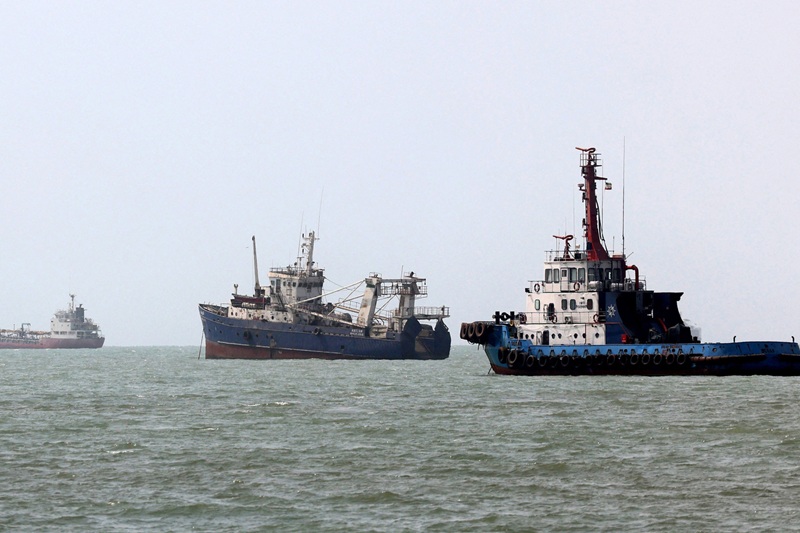
If you’ve never heard of the Strait of Hormuz, here’s the short version: it’s the channel connecting the Persian Gulf to the Gulf of Oman, and it’s tiny on a map but massive in importance. Something like a fifth of the world’s oil has historically passed through it. So when things get shaky there, it’s not just a regional headache it ripples out to gas pumps and heating bills from Tokyo to Toledo. And right now, things look shaky. Reuters reported that only five commodity vessels made the crossing on Monday, compared to a 10-day average of around 14. Worse, not a single one of those five was a liquid tanker. That’s the kind of detail that makes traders sit up.
What Actually Happened
The latest round of US strikes reportedly targeted Iranian rocket launchers on Larak Island, after Washington said it had intelligence that Iran was gearing up to fire rockets and lay sea mines. Iran responded with missile strikes on US positions in Jordan, and there were additional reports of drone activity elsewhere in the Gulf. Then it got worse: two supertankers hauling Saudi crude were hit by unidentified projectiles as they left the strait. The crews were reportedly fine, but the incident made painfully clear just how exposed commercial shipping has become. Qatar and Oman have been trying to broker safer passage, but so far nothing has stuck.
So Could Oil Keep Climbing?
That’s the question on every trading desk right now. Brent has already cleared $90, and if ships keep getting turned away or worse, hit the market could tack on a serious risk premium. Here’s the thing about oil markets, though: it’s rarely just about barrels physically lost. Fear does a lot of the work on its own. The moment refiners, traders, and governments start worrying about future shortages, they start competing for supply right now, and prices climb even before anything is actually short.
What This Means If You’re Just… Living Your Life
The effects don’t show up overnight, but they add up. Pricier oil means pricier shipping, which means pricier everything that gets shipped food, goods, you name it. Airlines eat higher fuel costs. Any business leaning on logistics feels the squeeze.It also puts central banks in an awkward spot. If energy costs start pushing inflation back up, cutting interest rates gets a lot harder to justify. So this isn’t just a Middle East security story, it’s very much a “why did my grocery bill go up again” story too.
Stay informed with the latest stories making headlines worldwide.
Could Typhoon Narra Worsen China Floods?
Check out how Typhoon Narra is affecting southern China and displacing thousands.
Can Pakistan-Iran Talks Bring Peace?
Find out how Pakistan-Iran talks are progressing toward regional peace and stability.
Why Is Saudi Arabia Investing Near Paris?
Uncover Saudi Arabia’s $7 billion plan to build three theme parks near Paris.
How Did Death Valley Turn Deadly?
See what happened when a French tourist became stranded in extreme Death Valley heat.
Will Pakistan-Iran Talks End Conflict?
Track down the latest developments as both sides push to resolve the regional conflict.
What Happens From Here
Honestly, nobody knows yet. The real question is whether this stays contained or spirals into something bigger. Some Gulf exports have kept moving through workarounds like ship-to-ship transfers, which has helped crude exports claw back from their recent lows. But those workarounds cost more and don’t erase the underlying risk. For now, three things are worth watching: whether the US and Iran trade more strikes, whether tanker traffic through Hormuz picks back up or keeps shrinking, and whether any diplomatic effort actually gets traction. Cool things down, and oil prices likely ease off. Keep hitting ships, and this could turn into a much bigger problem for energy markets everywhere.
FAQ
Why does the Strait of Hormuz matter so much?
It’s one of the world’s busiest energy corridors; historically around 20% of global oil supply passes through it.
Why did oil prices jump after the strikes resumed?
Traders are worried that continued fighting will disrupt tanker traffic and cut into the oil actually reaching global markets.
Could this push gas prices up?
If crude stays elevated for a while, yes that tends to filter down to gasoline, diesel, and transportation costs generally.
Is oil still moving through the strait at all?
Yes, but traffic has dropped noticeably, and recent tracking showed zero liquid tankers among the handful of vessels that crossed on Monday.
What should you keep an eye on?
Further military escalation, any more attacks on commercial ships, tanker traffic numbers, and whatever diplomatic moves Qatar and Oman make next.

