

Pakistan-Iran Peace Talks Show ‘Significant Progress’ as Both Sides Push to End Regional Conflict
There’s a glimmer of hope coming out of one of the region’s most volatile standoffs. Pakistan and Iran say their latest round of talks has produced real progress enough to start talking seriously about de-escalation, reopening the Strait of Hormuz, and eventually putting the conflict behind them. The optimism follows a high-profile Pakistani delegation’s trip to Tehran, and it stirred speculation that Islamabad could end up playing peacemaker between Iran and the United States.
What Happened in Tehran
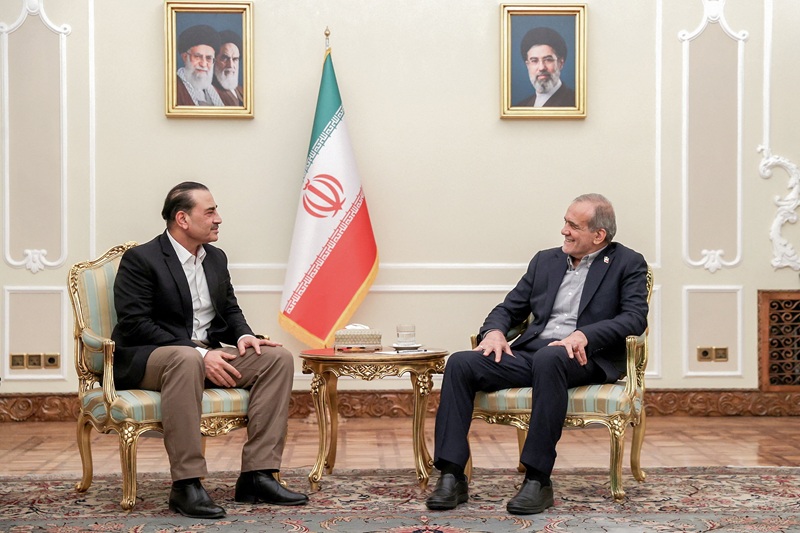
On August 24, Pakistan’s Army Chief, Field Marshal Asim Munir, and Interior Minister Mohsin Naqvi sat down with top Iranian officials in the capital. Afterward, Naqvi called the conversations “very positive and productive” and said meaningful ground had been covered. He also noted that Iranian President Masoud Pezeshkian was candid in laying out Tehran’s position at the table. The agenda was heavy: avoiding another flare-up, getting the Strait of Hormuz reopened, and finding the fastest realistic route to ending hostilities altogether. There was also talk of a broader regional settlement, one built on negotiation rather than continued military standoff.
Why Everyone’s Watching the Strait
It’s hard to overstate how much rides on the Strait of Hormuz. It’s one of the busiest energy corridors on the planet, and any serious disruption there ripples out into oil prices, shipping costs, and global trade more broadly. Iran has floated the idea of cutting off Gulf oil exports before, especially as pressure from Washington has mounted. The U.S., for its part, has been warning other nations against propping up Tehran economically. That’s part of why this diplomatic push matters so much. A deal that keeps Hormuz open and stable could take a lot of pressure off jittery energy markets.
Pakistan’s Balancing Act
Islamabad’s position here isn’t accidental. Pakistan has managed to keep working relationships alive with both Tehran and Washington, which puts it in a rare spot to broker something. Just before heading to Iran, Munir was reportedly on the phone with President Trump, part of what looks like an effort to breathe new life into an interim peace arrangement struck earlier this year. That said, nobody should mistake this for a finished deal. Neither government has released specifics on what was actually agreed to, and Washington hadn’t weighed in publicly as of this reporting.
What It Could Mean If It Holds
Assuming the momentum doesn’t fizzle, the ripple effects could reach well past Pakistan and Iran’s borders. Less fighting generally means more stability, safer travel, steadier trade, and some relief on energy bills for ordinary households. Businesses tend to breathe easier too when shipping lanes stay predictable. On the global stage, a reopened Strait of Hormuz would matter even more. Less geopolitical risk usually translates into calmer oil markets. Still, this is far from settled. Too many powerful players have competing interests at stake for this to resolve quickly or cleanly.
Curious stories worth exploring next?
Where Can Solo Travellers Feel Safest?
Check out 15 tourist destinations ideal for safe and memorable solo travel for those aged 50 and above.
How Is UAE Becoming A Tech Hub?
Dive into the UAE’s AI investment strategy and discover how the Gulf is building its global technology future.
What Caused Japan’s Deadly Floods?
Uncover the record-breaking rainfall, deadly flooding and disruption that stranded thousands at Narita Airport.
Where Can You See Basking Sharks?
Explore Ireland’s best spots for an unforgettable close-up encounter with giant basking sharks in the wild.
How Did Bali’s Ferry Catch Fire?
Find the latest details on the ferry fire, rescue operation and the 172 passengers who survived.
Talks in Tehran raise hopes of de-escalation
Right now, what’s happening between Pakistan and Iran looks like a genuine diplomatic opening, not a finished peace deal. Whether “significant progress” turns into actual commitments and a real cooldown in tensions is still an open question. But in a region under this much strain, even a modest breakthrough is worth paying attention to.
FAQs
1. What happened in the Pakistan-Iran peace talks?
Pakistan and Iran reported significant progress in discussions aimed at preventing further escalation, reopening the Strait of Hormuz and finding a negotiated path toward ending the conflict.
2. Who represented Pakistan in Tehran?
Pakistan’s Army Chief Field Marshal Asim Munir and Interior Minister Mohsin Naqvi were among the senior officials involved in the Tehran meetings.
3. Why is the Strait of Hormuz important?
It is a major global energy shipping route. Disruption there can affect oil supplies, fuel prices and international trade.

