

French Tourist Dies in Death Valley After Car Gets Stuck in Mud During 116°F Heat
There’s a moment that happens to a lot of people in Death Valley: the tires spin, the car sinks a little deeper into soft ground, and suddenly a scenic drive becomes a survival situation. For 68-year-old Pierre Michel Formosa, that moment turned fatal. On August 17, 2026, Formosa and a fellow French traveler were making their way along West Side Road, a remote stretch near Queen of Sheba Mine Road, when their vehicle got stuck in mud. No other cars were around. The temperature that day climbed to a brutal 116°F.
Walking for Help and Running Out of Time
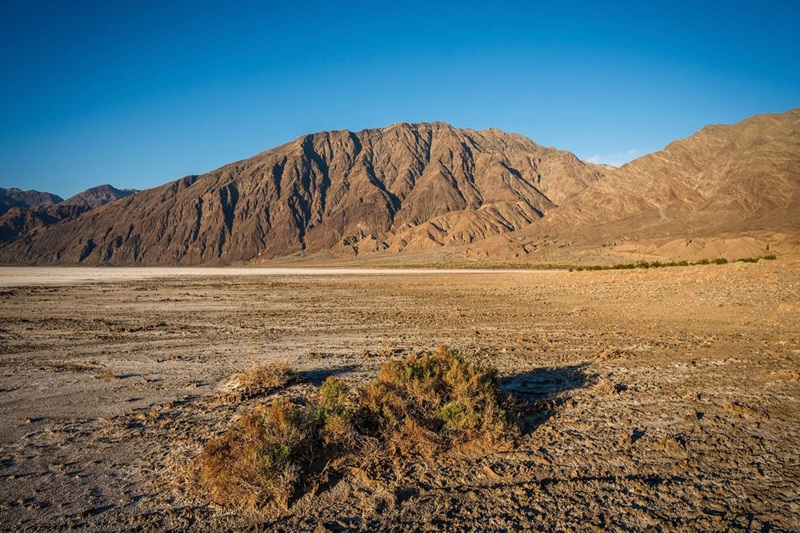
With no one nearby to flag down, the two men made a decision that’s since become the central lesson of this tragedy: they left the vehicle and set out on foot toward Badwater Road, cutting across the park’s exposed salt flats to reach a more traveled area. The heat won. About 1.3 miles in, Formosa couldn’t go any further. His companion pressed on alone, eventually flagging down a passing driver and reaching the Furnace Creek Visitor Center a little after 2 p.m. to report the emergency. Rangers and an Inyo County sheriff’s deputy launched a search around 2:13 p.m., and a California Highway Patrol helicopter joined shortly after. Searchers found Formosa about a mile and a half from Badwater Road later that afternoon. He was pronounced dead at the scene. The Inyo County coroner’s office will determine the official cause of death, though officials haven’t been shy about pointing to the obvious: extreme heat and brutal terrain played a major role.
Why This Kind of Situation Turns Deadly So Fast
Death Valley’s reputation for extreme heat is well known, but what catches people off guard is how quickly the danger compounds once something goes wrong. The park is vast, cell service is spotty to nonexistent in many areas, and rescue crews can be hours away even after a call goes through. Add in 116-degree heat and open salt flats with essentially zero shade, and a stranded vehicle can turn into a life-or-death emergency within hours, not days. Park officials generally advise carrying at least a gallon of water per person, per day, along with extra supplies specifically for vehicle breakdowns and checking road and weather conditions before heading into isolated areas in the first place.
The Rule Everyone Forgets: Stay With the Car
Park Superintendent Mike Reynolds called the death a painful reminder that Death Valley’s combination of heat, distance, and isolation can be dangerous no matter how experienced a visitor is. And that gets at the hardest part of this story. When a vehicle breaks down or gets stuck, the instinct to go find help is understandable but it’s often the riskier move. Park officials generally recommend staying put: a car offers shade and shelter, and it’s far easier for search-and-rescue teams to spot than two people on foot in open terrain. Other guidance from officials for extreme heat: stick to paved roads, avoid hiking at lower elevations during the hottest parts of the day, and carry a satellite communicator or emergency beacon if you’re heading somewhere without cell coverage.
Curious stories worth exploring next?
Where Can Solo Travellers Feel Safest?
Check out 15 tourist destinations ideal for safe and memorable solo travel for those aged 50 and above.
How Is UAE Becoming A Tech Hub?
Dive into the UAE’s AI investment strategy and discover how the Gulf is building its global technology future.
What Caused Japan’s Deadly Floods?
Uncover the record-breaking rainfall, deadly flooding and disruption that stranded thousands at Narita Airport.
Where Can You See Basking Sharks?
Explore Ireland’s best spots for an unforgettable close-up encounter with giant basking sharks in the wild.
How Did Bali’s Ferry Catch Fire?
Find the latest details on the ferry fire, rescue operation and the 172 passengers who survived.
The Takeaway for Anyone Planning a Visit
Death Valley draws visitors from all over the world for good reason; it’s one of the most striking landscapes in the country. But its remoteness and extreme temperatures don’t forgive small mistakes the way other places might. The advice from authorities is straightforward, if easy to overlook at the moment: check conditions before you go, bring more water than you think you’ll need, let someone know your route, and think twice before making a risky call in extreme heat. What looks like a minor inconvenience: a stuck tire, a dead battery can turn deadly faster than most people expect.
FAQs
1. What happened to the French tourist in Death Valley?
Pierre Michel Formosa, 68, died after his vehicle became stuck in mud on a remote Death Valley road during temperatures reaching 116°F.
2. When did the Death Valley incident happen?
The incident occurred on August 17, 2026, according to the National Park Service.
3. Why did the tourists leave their vehicle?
The men were stranded in a remote area with no other vehicles nearby and walked toward Badwater Road to seek help.

