

Pakistan-Iran Talks Show Significant Progress Toward Regional Peace and Stability
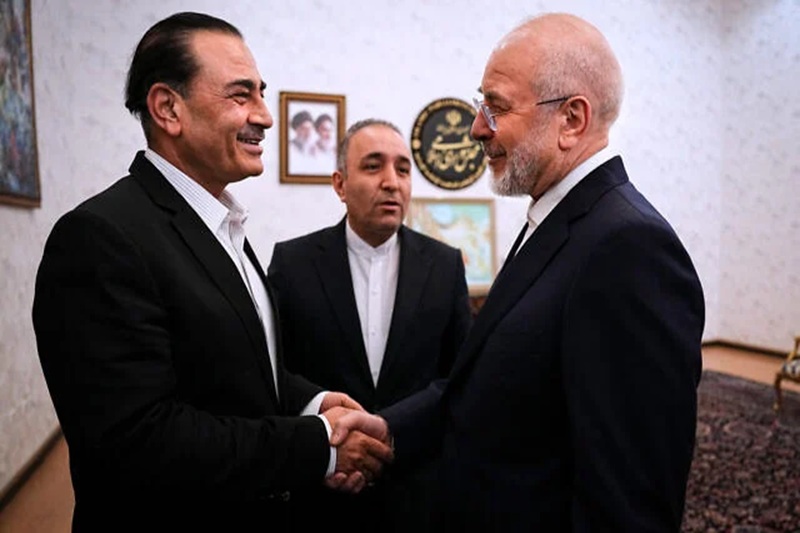
There’s a bit of good news out of the Middle East for once. Pakistan says its latest round of talks with Iran went well enough that people are cautiously starting to wonder if the wider regional conflict might actually be reined in. Interior Minister Mohsin Naqvi came out of Tuesday’s meetings in Tehran sounding upbeat, calling the discussions “highly positive and constructive.” The big items on the table: stopping things from escalating further, getting the Strait of Hormuz reopened, and finding some kind of negotiated way out of the current conflict.
Who Was in the Room
This wasn’t a low-level diplomatic nicety. Pakistan sent its army chief, Field Marshal Asim Munir, along with Naqvi, straight to Tehran. They sat down with Iranian President Masoud Pezeshkian and other senior officials, covering everything from the ongoing U.S.-Israeli conflict with Iran to broader regional security and how to get stalled negotiations moving again. Naqvi said Pezeshkian was candid with him, laying out Iran’s concerns openly rather than sticking to talking points. That’s being read as a good sign. Still, nobody’s spelled out what an actual deal might look like, so it’s worth treating this as an opening rather than anything close to finished.
Why Everyone Cares About a Narrow Strip of Water
The Strait of Hormuz keeps coming up for good reason; it’s one of the most important chokepoints for global oil shipments. Tensions in the region have already choked off a chunk of the traffic through it, and Reuters has reported oil flows dropping sharply as threats and restrictions pile up. That matters way beyond the Gulf. If the disruption drags on, it could push up fuel prices and shipping costs and ripple into inflation worldwide hitting energy-dependent economies across Asia especially hard.
Still a Long Way to Go
Pakistan’s playing peacemaker at a genuinely awkward moment, trying to stay close to Iran without alienating other regional players or Washington. Islamabad’s Foreign Ministry has been pretty consistent in its messaging: dialogue is the only real path forward, and keeping shipping lanes safe matters for trade and food security, not just energy. But the sticking points haven’t gone anywhere. The U.S. is still leaning hard on Iran and has warned other countries against propping it up economically, while Iran itself has threatened to squeeze Gulf oil exports further if the pressure keeps mounting.
Curious stories worth exploring next?
Where Can Solo Travellers Feel Safest?
Check out 15 tourist destinations ideal for safe and memorable solo travel for those aged 50 and above.
How Is UAE Becoming A Tech Hub?
Dive into the UAE’s AI investment strategy and discover how the Gulf is building its global technology future.
What Caused Japan’s Deadly Floods?
Uncover the record-breaking rainfall, deadly flooding and disruption that stranded thousands at Narita Airport.
Where Can You See Basking Sharks?
Explore Ireland’s best spots for an unforgettable close-up encounter with giant basking sharks in the wild.
How Did Bali’s Ferry Catch Fire?
Find the latest details on the ferry fire, rescue operation and the 172 passengers who survived.
What It Could Add Up To
If Pakistan manages to nudge the U.S. and Iran back toward the table, that alone could lower the odds of things spiraling into a bigger military confrontation and take some heat off shaky trade routes and energy markets. For everyday people, that translates into something simple: fewer shocks to fuel prices, less economic anxiety, and a smaller chance the conflict spreads to neighboring countries. None of that’s guaranteed yet, though. This is still early-stage diplomacy, and turning a promising conversation into something durable will take a lot more negotiating, trust, and follow-through from everyone involved. For now, at least, there’s a door cracked open and in this region, that counts for something.
FAQs
1. What happened in the Pakistan-Iran talks?
Pakistan and Iran held high-level discussions focused on reducing regional tensions, reopening the Strait of Hormuz and finding a negotiated solution to the conflict.
2. Did Pakistan and Iran reach a peace agreement?
No final peace agreement has been announced. Pakistan has described the discussions as making “significant progress,” but details of any possible settlement remain unclear.
3. Why is the Strait of Hormuz important?
The Strait of Hormuz is a crucial global energy shipping route. Disruption there can affect oil supplies, transportation costs and fuel prices internationally.
4. What role is Pakistan playing?
Pakistan is attempting to act as a diplomatic bridge and encourage renewed negotiations between Iran and the United States while supporting broader regional de-escalation.

