China Expands Middle East Diplomatic Outreach as US-Iran Tensions Continue
When two powers keep trading threats and a vital oil route hangs in the balance, someone else often steps into the room. Right now, that someone is Beijing.
China’s Latest Move Is Hard to Miss
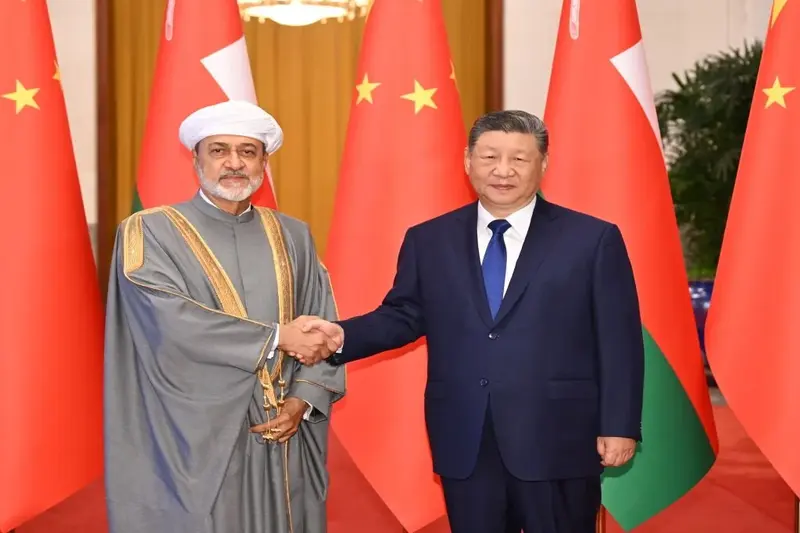
On Monday, Wang Yi met Iranian and Saudi national security officials in Beijing, in separate meetings, and urged all sides to pursue political solutions rather than pick up arms again. He said the region has again reached a critical crossroads between war and peace. China also said it will send its Middle East envoy to Iran, Oman and Saudi Arabia later this month. Officials call it shuttle diplomacy, meant to promote peace talks and ease tensions.
How We Got Here
When the Iran war erupted in February, China was quick to condemn the US-Israeli strikes and urged an immediate ceasefire. In April, it put forward a five-point proposal with Pakistan. Trump later credited Beijing with helping get Iran to the peace talks in Pakistan. By July, China and Pakistan were reportedly working to revive the stalled talks.
Why Beijing Cares So Much
The short answer is energy. China relies on the Middle East for about half its fuel. It has also built up roughly $270 billion in investments and construction projects across the region over two decades. A shut Strait of Hormuz hurts Chinese factories as much as anyone’s.
Where US-Iran Talks Stand
Trump signaled progress on Monday, while Tehran reported heavy exchanges with Washington. Iran’s plan calls for the US to lift its blockade of Iranian ports and for Iran to reopen Hormuz, followed by talks on other issues.
But hours later, the Wall Street Journal reported another limited US strike on Iran. Iran’s delegation also said its stance on defending its sovereignty is unchanged and it will make no compromises. Oil prices still fell nearly 4% on hopes of a diplomatic solution.
Real Mediator or Just Good Optics?
Critics aren’t convinced. Former US diplomat Danny Russel called China’s diplomacy performative, and US officials reportedly have little interest in giving Beijing a win. Analysts also note China has no military presence in the region to back up its words.
Chatham House’s Neil Quilliam says Beijing has kept deliberate ambiguity, putting steady Gulf energy flows ahead of siding with Iran.
Why It Matters to You
If the talks work, fuel prices and shipping costs could ease. If they collapse, the shock reaches petrol pumps and grocery bills far from the Gulf.
Either way, China is now a player in a region where Washington once set the agenda. Watch the envoy’s trip this month. It will show whether Beijing can turn meetings into a movement.
Explore How Middle East Tensions, Oil Markets, and Global Trade Could Shape the World Economy
Will Iran-Qatar Talks Bring Oil Prices Down?
Find out how ongoing diplomatic talks could influence oil prices and future U.S. energy costs.
Could Middle East Tensions Raise US Gas Prices?
Why Is Hormuz Disruption Raising Global Oil Prices?
Can Iran-Oman Talks Protect Global Oil Trade?
Why Is the EU Expanding UAE Trade Ties?