

US-Iran Conflict 2026: Strait of Hormuz Shipping Disruptions Push Oil Above $102 and Fuel Global Inflation Fears
Crude oil is climbing again, and this time the culprit is the increasingly volatile situation around the Strait of Hormuz. Brent crude pushed past $102 a barrel this week briefly touching $106 as traders grew more anxious about whether ships can safely move through one of the world’s most vital energy corridors. That’s a steep jump from the roughly $72 a barrel oil was trading at before the US and Israel entered their war with Iran. For most people, this isn’t just a number on a financial news ticker. When oil gets expensive, it doesn’t stay contained to gas stations; it works its way into shipping costs, manufacturing, and eventually the prices on grocery store shelves.
Why everyone keeps talking about this one strip of water
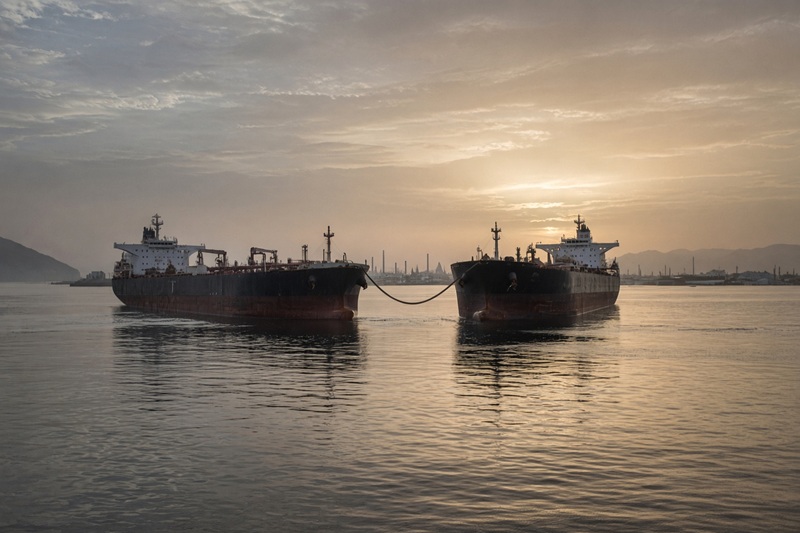
The Strait of Hormuz is easy to overlook until something goes wrong there. It’s a narrow channel running between Iran and Oman, linking the Persian Gulf to the Gulf of Oman and, from there, the Indian Ocean. A huge share of the world’s crude oil and refined fuel passes through it on the way to global markets, which means any serious disruption sends ripples far beyond the Middle East. And disruption is exactly what’s happening. Shipping data recently showed commercial vessel traffic through the strait dropping to a mere handful of ships per day, a striking sign of just how much the conflict has choked off normal maritime activity. Producers are trying to work around the bottleneck by shifting oil onto other vessels near Oman, but that workaround isn’t cheap: freight costs for large crude carriers have reportedly jumped by more than $30 a barrel in some cases.
Attacks are making a tense situation worse
Adding to the unease, actual violence against ships in the strait has spiked fears further. On September 24, a cargo vessel came under attack where one crew member was killed, and more than 20 others had to be evacuated. It’s the kind of incident that spooks markets well beyond its immediate toll, because it’s a reminder that any vessel making the crossing right now is taking on real risk. That risk shows up in higher insurance premiums, tighter security costs, and ultimately, higher oil prices.
Is there a diplomatic way out?
There’s been some movement on the negotiating front, though nothing decisive yet. Reports from talks held in New York on September 24 suggest US and Iranian negotiators have been exploring a phased deal that could eventually see Tehran reopen the strait. But the two sides are reportedly still far apart on the bigger question of how to end the conflict altogether, so markets aren’t exactly breathing easy.
Why this could become a bigger economic story
The real worry here isn’t just expensive oil, it’s what expensive oil drags along with it. Higher crude prices tend to ripple into gasoline, diesel, jet fuel, shipping rates, and manufacturing costs, and businesses often pass at least some of that along to customers. Countries that import most of their energy are especially exposed, and developing economies could feel it even harder if rising fuel costs widen trade deficits and squeeze transport budgets. India is one country watching this closely. As regional supply patterns shift, Indian refiners have reportedly been recalculating where they source their oil, leaning more heavily on imports from Iraq and the UAE.
The Key Question Now
Ultimately, where oil prices go from here hinges on one question: does shipping through Hormuz get back to something resembling normal? A real diplomatic breakthrough could take a lot of the fear-driven premium out of the market. But if attacks continue, or shipping stays restricted, or the conflict widens, the pressure on oil and everything downstream of it isn’t likely to ease anytime soon. What started as a regional conflict has clearly become something bigger: a story now playing out in oil markets, shipping lanes, and household budgets around the world.
FAQs
1. Why is the Strait of Hormuz important for oil markets?
The Strait of Hormuz is a critical energy shipping route linking the Persian Gulf with global markets. Disruptions can restrict supplies and increase transportation costs.
2. Why has oil risen above $102 a barrel?
Market concerns over restricted shipping, tanker attacks and uncertainty surrounding the US-Iran conflict have increased fears of prolonged supply disruptions.
3. How could the US-Iran conflict affect inflation?
Higher oil prices can increase the cost of fuel, transport, manufacturing and other goods, potentially adding to inflationary pressure.
Explore the latest Trump moves shaping global politics, energy, and security.
Who Will Trump Send Abroad Next?
Check out the latest ambassador appointments and their potential diplomatic significance.
Could Venezuela’s Oil Transform America’s Energy Future?
Find out what the reported oil deal could mean for U.S. energy strategy.
Why Did Trump Cut Military Exercises?
Uncover the details behind the substantial reduction in joint military exercises.
Why Did Netanyahu Reject Trump’s Gaza Plan?
Dive into the key disagreements surrounding the proposed 15-point Gaza plan.
Can Trump’s Gaza Deal Survive Spoilers?
Look into the challenges that could affect the agreement and prospects for lasting peace.

