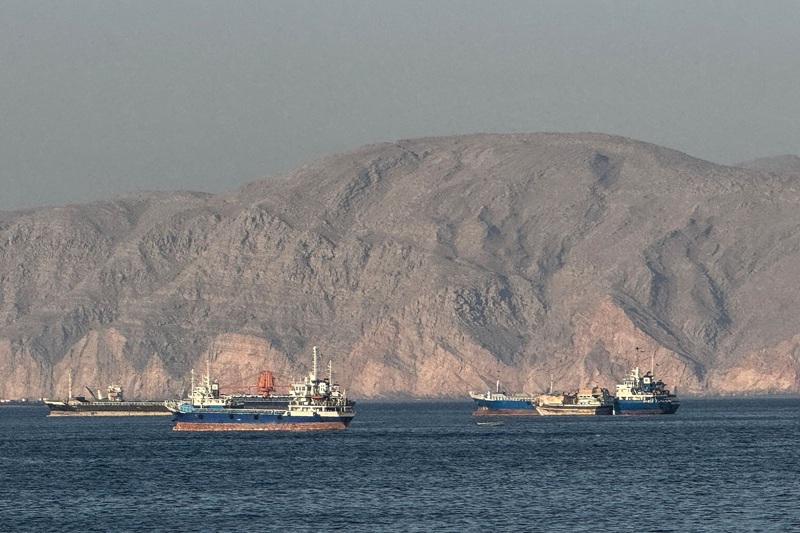
Strait of Hormuz Shipping Deal: How Iran-Oman Talks Could Affect Global Oil Prices and Trade
A few miles of water in the Persian Gulf can move billions of dollars in oil markets, which is exactly why everyone’s watching the talks between Iran and Oman right now. The two countries are working out a temporary shipping corridor through the Strait of Hormuz, and if it holds, it could ease some of the supply anxiety that’s been keeping oil prices elevated. That said, don’t mistake this for the strait “reopening.” There’s still a lot up in the air security guarantees, who controls navigation, how sanctions factor in, and what a longer-term arrangement might even look like.
So what’s actually been agreed?
Iran and Oman have spent weeks hashing out how commercial ships could safely move through the strait. On August 25–26, both sides signaled real progress: a temporary corridor, plus cooperation on clearing mines from the waterway. According to Iranian officials, the corridor would run about 7 miles wide and cut through part of Iran’s territorial waters. Oman says more technical talks are coming things like intelligence sharing and hammering out the specifics of navigation and security. Here’s the catch, though: Tehran isn’t calling this a full reopening. Ships passing through could still need Iranian monitoring and sign-off, and this “temporary” setup is really just a precursor to bigger talks about something more permanent. For shipping companies, insurers, and energy traders, that distinction is everything.
Why does this one stretch of water matter so much?
The Strait of Hormuz is arguably the single most important chokepoint in global energy. Before things escalated, more than a fifth of the world’s oil and LNG passed through it, around 130 ships a day. So when things go sideways there, markets feel it fast. Oil prices have spiked repeatedly whenever traders worried Gulf supplies might get cut off.
Now that trend seems to be bending the other way. On August 26, Brent crude dropped over $2 a barrel as hopes for a deal picked up. Reuters had Brent at $85.85 and WTI at $80.15 during the session. Analysts chalked it up to markets starting to price in a partial reopening and lower geopolitical risk. By August 27, though, prices had ticked back up a bit, with traders still not fully convinced the diplomacy will translate into real, lasting shipping access.
A deal could help but the risks haven’t gone away
If a working corridor actually materializes, it’s good news well beyond oil exporters, shipping firms and countries that depend on Gulf energy would benefit too. Asia stands to gain the most here, given how much crude and LNG it pulls from the region. Lower insurance and freight costs could eventually filter through to fuel markets, though don’t expect gas prices at the pump to drop overnight. There are already small signs of improvement: Kpler data reported by Reuters showed 10 commodity vessels crossed through Hormuz on August 26, versus a 10-day average of 15 and still way below pre-conflict traffic levels. In other words, this is progress, not normalcy.
Stay informed with the latest stories making headlines worldwide.
Could Typhoon Narra Worsen China Floods?
Check out how Typhoon Narra is affecting southern China and displacing thousands.
Can Pakistan-Iran Talks Bring Peace?
Find out how Pakistan-Iran talks are progressing toward regional peace and stability.
Why Is Saudi Arabia Investing Near Paris?
Uncover Saudi Arabia’s $7 billion plan to build three theme parks near Paris.
How Did Death Valley Turn Deadly?
See what happened when a French tourist became stranded in extreme Death Valley heat.
Will Pakistan-Iran Talks End Conflict?
Track down the latest developments as both sides push to resolve the regional conflict.
The real question: does it last?
Plenty could still derail this. Security concerns haven’t vanished, mine clearance is still unresolved, and the broader Iran-U.S. tension keeps looming over everything. Then there’s sanctions. Even with ships physically able to cross, restrictions on Iranian oil exports and financial dealings could slow down how quickly trade actually ramps back up.
For now, expect oil prices to keep swinging with every headline out of these talks. If the corridor proves durable, it could strip some of the risk premium out of crude prices. If talks collapse, prices could just as easily jump right back up. Either way, this isn’t just a regional shipping story, it’s shaping up to be a real test of whether diplomacy can steady one of the world’s most vital trade routes, and whether energy markets are actually turning a corner.
FAQs
What exactly is this shipping deal?
A proposed temporary corridor letting commercial ships transit part of the Strait of Hormuz under Iranian and Omani coordination.
Is the strait fully reopening?
Not yet Iran framed this as temporary, with more negotiations needed before anything permanent.
Will it bring oil prices down?
Possibly if shipping resumes reliably, it could ease the geopolitical premium baked into crude prices.
Why does this waterway matter so much?
It’s the main link between the Persian Gulf and the open ocean, carrying a huge share of the world’s oil and LNG.
Will consumers see cheaper gas?
Eventually, maybe but not right away. Refining costs, taxes, currency swings, and transport costs all play a role too.