

Oil Prices Fall as Iran-Qatar Talks Continue: What Happens Next for US Energy Costs?
If you’ve winced at the gas pump lately, Monday brought a small break. Oil prices slipped as diplomats kept talking. Just don’t expect your fill-up to get cheap overnight.
What Happened Today
Brent crude, the global benchmark, fell about 2.5% to roughly $110 a barrel on Monday, backing away from four-year highs. Traders are balancing reports of ongoing diplomacy against fears that Washington could strike Iran again. One clarification: Qatar isn’t a party to the fighting. It’s the go-between. Qatari mediators returned to Tehran on October 30 to help push the US and Iran toward an agreement.
Why Oil Reacts So Fast
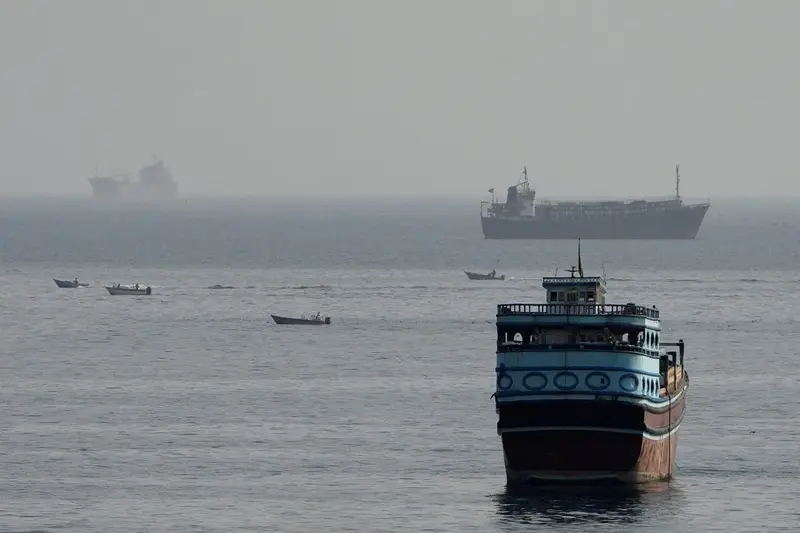
The key is the Strait of Hormuz. Before the conflict, about one-fifth of the world’s oil moved through it. When talks sound hopeful, traders bet the route stays open, and prices ease. When a tanker gets hit, prices jump.
That see-saw has defined the year. In July, Brent sank to about $70 after talks in Doha, then rebounded past $100 by late July. October pushed it higher again, with Brent up 13.6% for the month.
What It Means for Your Wallet
Gas prices follow crude, but with a delay. AAA put the national average at $4.27 a gallon in late October, down 6 cents in a week. Much of that drop came from the switch to winter-blend gasoline, not cheaper oil. For many households, the frustration is real. Prices have hovered around $4 or higher since summer, and AAA said this August was shaping up to be the highest on record. Early October pump prices were the highest ever for that time of year.
Diesel and heating costs track crude too, so delivery fees, groceries and winter bills can all feel the squeeze.
What Happens Next
There are really two paths. If a deal takes shape, analysts say further diplomatic progress could push crude lower, and pump prices would eventually follow. If talks collapse, traders worry the war could intensify after the US midterm elections, which could send prices climbing again.
Explore How Middle East Tensions Could Reshape Global Oil Prices and Your Fuel Costs
Could Middle East Tensions Raise U.S. Gas Prices?
Why Is Saudi Oil Infrastructure Under Threat?
Uncover the risks facing Saudi oil facilities and what they could mean for global energy security.
Why Are Global Oil Prices Near $110?
Explore how rising Brent crude prices and Strait of Hormuz risks are shaking global energy markets.
How Does Hormuz Affect Your Fuel Bill?
Could Houthi Attacks Disrupt Saudi Oil Supplies?

