

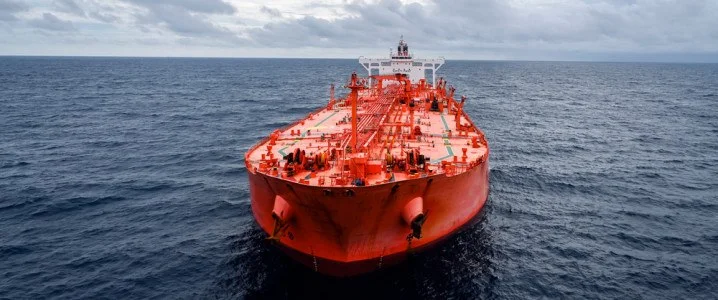
Strait of Hormuz Tensions, US Oil Prices and Global Shipping: Why One Narrow Waterway Moves Your Fuel Bill
Few places on the map carry as much weight as the Strait of Hormuz, a narrow channel between Iran and Oman that links Gulf producers to the open sea. When ships come under attack nearby, traders react within minutes, and oil prices in the United States and abroad begin to shift. This article explains why this one passage matters so much, how the tension feeds into the cost of moving cargo worldwide, and what is being done to keep fuel flowing.
Why US Oil Prices React to a Waterway Thousands of Miles Away
About one fifth of global oil and petroleum product consumption flows through the strait, and most of it is bound for Asian markets. America produces plenty of its own crude, but oil is sold on a world market, so a scare in the Gulf raises what American refiners and drivers pay too.
Before the conflict began, Brent crude traded near $72 a barrel. In early October it sat just under $100, even though Gulf exports had recovered. Analysts say that gap comes from risk, not only from missing barrels. Pipelines in Saudi Arabia and the UAE can move some oil around the strait, and about 40 percent of regional exports now avoid it, but those routes cannot replace the full flow. Attacks on tankers, with at least seven reported in a single week, keep buyers nervous.
How Global Shipping Pays for the Danger
Moving oil is about more than loading a tanker. Owners pay for fuel, crews and protection against war damage. When vessels take longer routes to avoid trouble, global shipping becomes slower and more expensive. Underwriters have sent cancellation notices for Gulf voyages, and premiums were expected to rise by as much as 50 percent, which pushes up insurance costs on every cargo. Those extra charges travel from refiners to fuel stations, and later into delivery fees and food prices.
Governments are trying to cool things down. G7 members announced a release of up to 100 million barrels from emergency stocks, and Washington is reportedly weighing easier sanctions rules for some tankers so more ships can carry oil. Prices dipped on that news this week, but conditions can change fast, so markets are likely to follow security reports from the water as closely as they follow supply figures.
Strait of Hormuz crisis: oil, trade and the US-Iran standoff explained.
Will Hormuz Closure Raise US Oil Prices?
What Does Trump’s Hormuz Rejection Mean?
Can Oil Above $102 Fuel Inflation?
What Does Iran Want at UNGA 2026?
How Will New US-Iran Strikes Affect Oil?

