

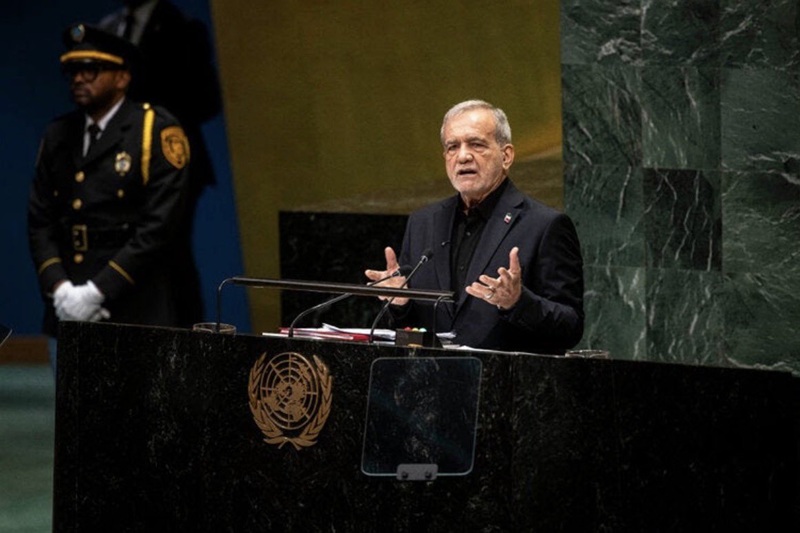
Iran President Pezeshkian at UNGA 2026: Tehran’s Demands on Nuclear Program, Strait of Hormuz and US War
When Iranian President Masoud Pezeshkian stepped up to the podium at the UN General Assembly in New York on September 23, he had two messages for Washington: Iran isn’t backing down, and the door to diplomacy isn’t closed. The timing matters. The United States and Iran are still locked in a serious conflict, and two issues stand in the way of any settlement: Tehran’s nuclear programme and the Strait of Hormuz.
“We have a right to peaceful nuclear technology”
Pezeshkian was blunt: Iran will not give up its civilian nuclear programme. He said Tehran isn’t chasing nuclear weapons, and that it shouldn’t face limits beyond what its stated peaceful goals require. He also pointed to what he called a double standard on nuclear capabilities in the Middle East. That’s a hard sell in Washington, which has said again and again that Iran cannot be allowed to have a nuclear weapon. Tehran says its nuclear work is purely peaceful. Until those two positions move closer, this will remain the sticking point in any talks.
Hormuz: the bargaining chip the world is watching
The Strait of Hormuz was the other big theme. Pezeshkian said Iran can’t accept unrestricted passage through the waterway for countries that, in its view, use it to support military action against Iran. His comments followed signals from Iranian officials that the strait could reopen within days if Washington eases military pressure and lifts its naval blockade. Reuters reported that Iran had offered to reopen it within a week on those terms. This isn’t just a regional story. Hormuz is one of the world’s most important energy corridors, so trouble there ripples out into oil supplies, shipping costs and energy prices in Asia, Europe and beyond.
What Tehran is asking for
Iran’s list of conditions for diplomacy is fairly clear:
- An end to the war
- An end to U.S. military pressure and the naval blockade
- The release of Iranian assets
- Arrangements covering shipping through the Strait of Hormuz
Pezeshkian added that Iran is willing to negotiate, but not under what he called a language of force.
Talks are quietly happening
Despite the sharp rhetoric, diplomacy hasn’t stopped. U.S. and Iranian officials held indirect talks in New York, with Qatar mediating, around the UNGA meetings. No breakthrough was announced, but the fact that the channel is open is worth noting.
Why it matters beyond the region
A prolonged disruption at Hormuz could hit energy markets and global shipping. Meanwhile, the unresolved nuclear dispute makes any long-term security arrangement in the Middle East harder to build. For ordinary people far from the conflict, that could show up as higher fuel and transport costs and general economic uncertainty. The big question now is whether the contacts around the General Assembly can produce a framework both sides can live with. Pezeshkian’s speech made Iran’s position clear: it will talk, but it intends to keep its nuclear programme and its leverage over Hormuz. Those competing positions are the real challenge for any U.S.-Iran deal.
FAQs
1. What did Pezeshkian say about Iran’s nuclear programme at UNGA 2026?
He defended Iran’s right to peaceful nuclear technology and said Tehran would not abandon its civilian nuclear programme.
2. What is Iran demanding over the Strait of Hormuz?
Iran has linked the reopening of the waterway to reduced U.S. military pressure and the lifting of the naval blockade, while seeking greater control over shipping arrangements.
3. Is Iran willing to negotiate with the United States?
Yes. Pezeshkian said Iran remains open to dialogue and negotiations, while rejecting negotiations conducted under military pressure.
Explore the latest Trump moves shaping global politics, energy, and security.
Who Will Trump Send Abroad Next?
Check out the latest ambassador appointments and their potential diplomatic significance.
Could Venezuela’s Oil Transform America’s Energy Future?
Find out what the reported oil deal could mean for U.S. energy strategy.
Why Did Trump Cut Military Exercises?
Uncover the details behind the substantial reduction in joint military exercises.
Why Did Netanyahu Reject Trump’s Gaza Plan?
Dive into the key disagreements surrounding the proposed 15-point Gaza plan.
Can Trump’s Gaza Deal Survive Spoilers?
Look into the challenges that could affect the agreement and prospects for lasting peace.

