

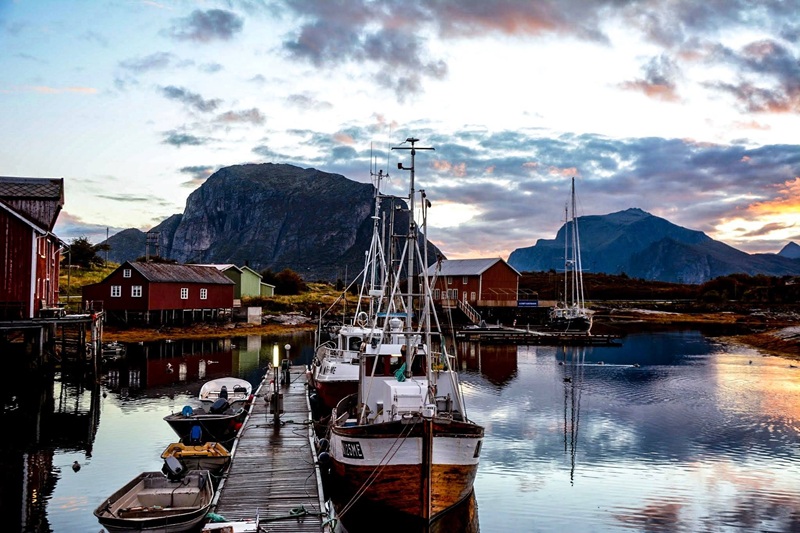
Støtt Island, Norway: How a Tiny Arctic Refuge Has Sheltered Travellers Since 1897
Far from Norway’s postcard routes, there’s a small island in the Arctic waters where fishermen once sat out violent storms. Today people come for something different: a little peace and quiet. Støtt is part of the Støttvær archipelago in northern Helgeland, and it has been a fishing village, a trading post and a natural refuge for a very long time. The story goes back well before 1897, but that year is the one people remember. It’s when Johan Sørensen’s family took over the old trading post, and they stayed for generations.
A safe place to wait out the weather
Støtt sits close to the busy coastal fishing and shipping routes. For generations, fishermen heading for the rich cod grounds around Lofoten would stop here and wait for the weather to calm down. The harbour was sheltered from the unpredictable sea, and the trading post, which dates back to the early 19th century, sold food, fishing gear and other essentials. In the days of sailing boats, it was an important stop for anyone travelling along the coast.
From busy hub to quiet escape
It’s hard to picture now, but Støtt was once a lively place. There was a bakery, a telegraph station, a storehouse and lodgings for fishermen, all serving locals and passing visitors. Then fishing changed. Bigger, more capable boats meant crews no longer needed to stop at remote trading posts, and as the traffic dwindled, so did the island’s population and its economic importance. The old buildings, though, survived. The trading post has since been restored and turned into accommodation and a restaurant. According to the island’s own history, it’s now run by the fourth and fifth generations of the family behind it.
A different kind of refuge
These days Støtt is presented less as a historic fishing settlement and more as a break from modern life. Eva Ann Andersen grew up on the island, moved away to work in Oslo, and came back. She has helped turn the property into a destination, and recent reports say she hopes tourism will bring jobs and visitors and help the small community grow again. Guests can stay in the restored historic buildings, kayak, wander the largely car-free island and watch Arctic wildlife. Birdwatching and fishing are on offer, and in the darker months there’s a chance of seeing the Northern Lights. The war also left its mark here: bunkers, tunnels and other remains of German coastal fortifications are still scattered around, a reminder of how strategic the location was in the Second World War.
Why it matters beyond the holiday
Støtt’s revival speaks to a bigger question facing remote communities across northern Europe: how do small places keep their identity while creating enough work for people to stay? Here, the answer is heritage tourism. Rather than erasing the past, the island builds its future on the old trading buildings, its seafaring traditions and the landscape around it. For more than a century, Støtt has been a refuge. First it sheltered fishermen escaping dangerous seas, and now it shelters travellers trying to get away from crowded cities and constant notifications. The setting has barely changed. What people come for has.
FAQ
Where is Støtt?
In the Helgeland region of Nordland, northern Norway, within the Støttvær archipelago.
Why does 1897 matter?
That’s the year Johan Sørensen bought the trading post, and his family kept it going for generations.
Was it always a tourist spot?
No. It grew around fishing, trade and maritime services, and tourism only became important as those faded.
What can you do there?
Explore the historic buildings, walk and kayak around the island, try local food, watch wildlife and see the wartime remains.
When should you go?
Summer brings long Arctic days and midnight sun. The darker months offer Northern Lights and stargazing.
Explore the latest Trump moves shaping global politics, energy, and security.
Who Will Trump Send Abroad Next?
Check out the latest ambassador appointments and their potential diplomatic significance.
Could Venezuela’s Oil Transform America’s Energy Future?
Find out what the reported oil deal could mean for U.S. energy strategy.
Why Did Trump Cut Military Exercises?
Uncover the details behind the substantial reduction in joint military exercises.
Why Did Netanyahu Reject Trump’s Gaza Plan?
Dive into the key disagreements surrounding the proposed 15-point Gaza plan.
Can Trump’s Gaza Deal Survive Spoilers?
Look into the challenges that could affect the agreement and prospects for lasting peace.

