

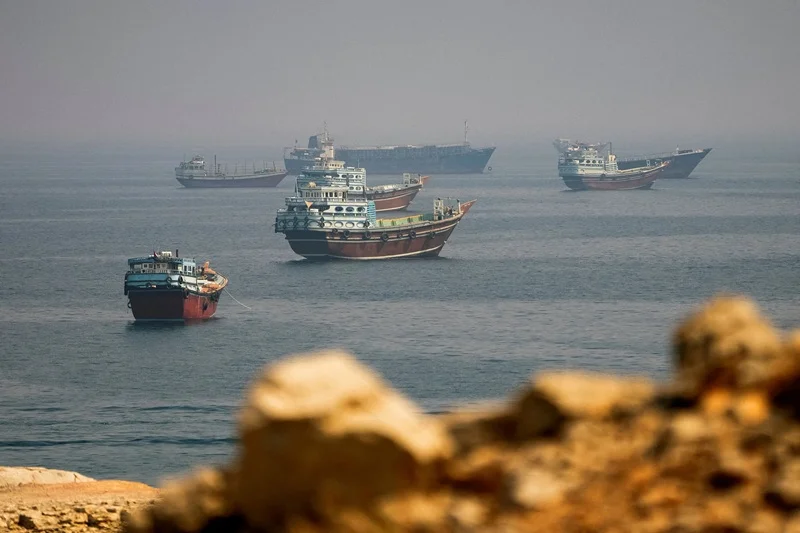
Iran Says Strait of Hormuz Will Stay Closed Until US Conditions Are Met: What It Means for Americans and Global Oil Prices
You may never have looked at the Strait of Hormuz on a map. But if you drive a car, buy groceries, or heat a home, you’ve probably paid for it lately.
On Sunday, Tehran repeated that the narrow waterway stays shut until Washington gives in. The standoff is now more than seven months old.
What Iran Said
Iran’s parliament speaker and top negotiator, Mohammad Baqer Ghalibaf, said the strait won’t open until Iran’s seven conditions are met. Those reportedly include lifting the US naval blockade, unfreezing Iranian assets, and halting military pressure. He also accused Washington of saying one thing in the media while sending different proposals through a mediator.
How We Got Here
The crisis began when the US-Israel war on Iran started in late February. Iran has kept its grip on the strait since then, while the US maintains a counter-blockade of Iranian ports. In June, the two sides signed a memorandum in Islamabad meant to reopen the strait, but it fell apart within weeks as fighting broke out over shipping routes. Iran now wants that deal honored.
The Latest Moves
Last week, Iran offered to reopen the strait and resume nuclear talks within seven days if the US lifted its port blockade, waived oil sanctions, and observed a ceasefire that includes Lebanon. President Trump rejected the plan within hours.
Washington wants to talk about Iran’s nuclear program first. Tehran says reopening Hormuz is the priority. Meanwhile, reports say the US is sending more forces to the region, and Trump has hinted at resuming strikes after the November midterms.
Why Your Wallet Feels It
Roughly a fifth of the world’s oil and natural gas normally moves through this strait. Shut it, and supply gets tight everywhere.
- Oil: Brent crude started 2026 near $61 and ended the first quarter at $118. It sat around $101 on Monday. Physical cargoes are still costlier. Dated Brent, which prices actual barrels, recently topped $120.
- Gasoline: Pump prices follow crude with a lag. AAA’s national average was about $4.48 in late September. That’s up from roughly $2.80 in January, when the national average was at its lowest in years.
- Shipping costs: War-risk insurance for Hormuz transits has climbed to 3–10% of a ship’s value, up from about 0.25% before the war. Those costs end up in the price of everyday goods.
- Emergency reserves: In August, the US Strategic Petroleum Reserve had fallen below 300 million barrels, the lowest since 1983.
What Analysts Expect
Don’t count on a quick fix. The EIA doesn’t expect Middle East oil output to return to near pre-war levels until early 2027. It also forecasts Brent averaging around $90 for the second half of this year, and says prices will stay elevated until global flows normalize and inventories are rebuilt. Even if a deal landed tomorrow, ships and insurers would need time to trust the route again. Mine clearance could add weeks.
FAQs
Why is the Strait of Hormuz so important?
About one-fifth of the world’s oil and gas normally passes through it.
What are Iran’s conditions?
They come from the June Islamabad memorandum. They reportedly include ending the US naval blockade, unfreezing assets, and halting military pressure.
Will gas prices go down soon?
Unlikely in the near term. The EIA expects prices to stay elevated until oil flows normalize.
Has the US responded?
Trump rejected Iran’s reopening plan last week. The US is pressing for nuclear talks first.
Could the strait reopen quickly?
Iran says its plan could reopen it within seven days, but only if the US accepts. Mine clearance and insurer confidence could still delay normal traffic.
Related Reads You Shouldn’t Miss
How Is China Reshaping Indo-Pacific Alliances?
Check out how Quad nations are responding to growing security challenges in the Indo-Pacific.
Why Are China and Russia Growing Closer?
Find out how Arctic shipping routes are strengthening China-Russia geopolitical ties.
What Happens Inside The Twilight Zone?
Dive into the mysterious nightly migration of trillions of deep-sea creatures.
Which Religions Are Among History’s Oldest?
Explore 10 ancient religions that have shaped human history and civilizations.
Why Are North Korea’s Missiles Alarming Asia?
Uncover why North Korea’s new missile developments are raising concerns in Japan and South Korea.

