

China Introduces New Stock Market Support Measures: What American Investors Should Know
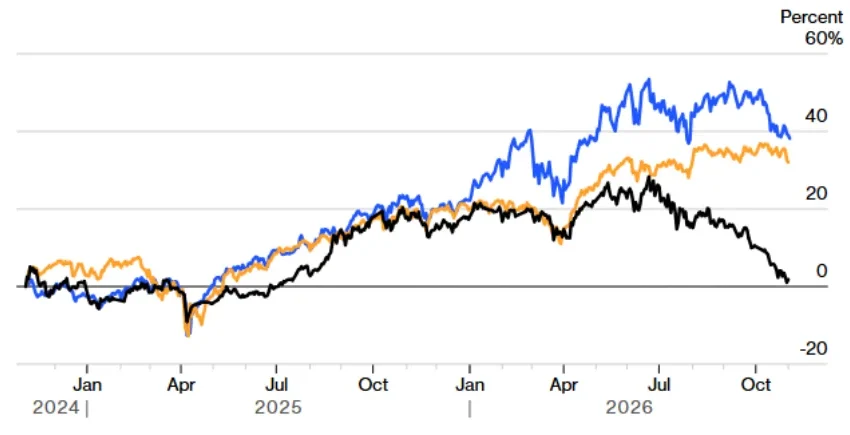
Imagine opening your brokerage app and seeing a market down more than 8% in a single month. That’s what happened to China’s CSI 300 index in October, according to Bloomingbit’s report on the selloff. Beijing has now answered with a fresh round of rescue steps, and they may matter to your portfolio more than you’d expect.
What Beijing Just Announced
On Monday, China unveiled a package to support its declining stock market: easier share-buyback rules, a third round of a central bank swap facility, and a permanent lending program for buybacks and stake increases.
The central bank also said 31 securities and fund companies had applied for the swap facility, requesting more than 100 billion yuan (about $14.9 billion).
How It Works, in Plain English
Think of the swap facility as a cash line for big financial players. It’s meant to help financial institutions secure funding and boost their capacity to buy stocks. Each swap runs one year, with a possible extension.
The buyback piece works differently. The central bank lends cheaply so companies can purchase their own shares. That lending scheme becomes a long-term mechanism, with its interest rate cut to 1% from 1.25%.
Why It Matters to US Investors
You don’t need to own Chinese stocks directly to feel this. Emerging-market funds, China-focused ETFs and Hong Kong-listed holdings all carry exposure. When Beijing signals it will cushion falls, the effect can ripple into those funds.
Buybacks are already running hot. In the first 10 months of the year, listed companies disclosed 700 repurchase plans totaling 237.7 billion yuan, a record.
Will It Actually Work?
Analysts are split. Hao Zhou of Guotai Haitong Securities said the latest swap round sends another strong signal of policymakers’ commitment to market stability.
Skeptics point to history. When regulators rolled out a similar package in 2023, one analyst argued that the key to lifting sentiment is rescuing the economy, and the property market is the crux. In other words, liquidity can steady a market, but it can’t fix weak confidence on its own.
Explore the Global Market Shifts Moving Stocks, Currencies, and Gold
Why Are Gulf Stock Markets Struggling?
What Is Driving Europe’s Stock Market Rally?
Discover how Federal Reserve relief and stronger Chinese demand are boosting European stocks.
Why Are Stocks and Dollars Falling?
How Is Ukraine Affecting Chinese Stocks?
Why Is China Buying More Gold?
Look into China’s gold-buying strategy and what its growing reserves could mean for global markets.

