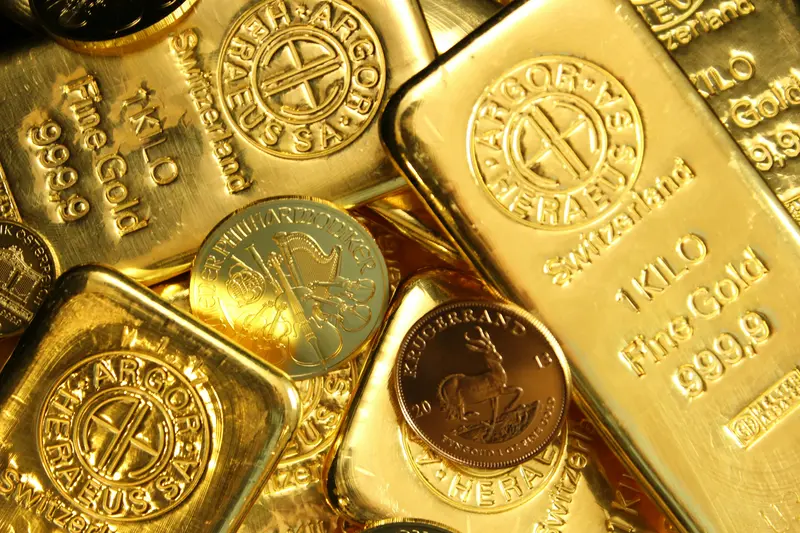
Why Is China Stockpiling Gold?
China is buying more gold to strengthen its financial safety net as geopolitical tensions, US debt worries and market uncertainty reshape how countries manage reserves. Recent purchases continued even as prices fell. At the heart is China’s gold-buying strategy– a push to spread risk, not necessarily abandon the US dollar.
What the latest figures show
The People’s Bank of China (PBoC) added 23 tonnes of gold in September 2026, its biggest monthly purchase since October 2023, the World Gold Council (WGC) reported. Holdings increased to 2,410 tonnes or 8.5% of the official Chinese reserve.
The buying streak extended to 23 months; China picked up 103 tonnes during the first nine months of 2026. Gold prices declined 8.5% in September, but this did not slow down the buying.
Why Beijing wants more gold
National reserves provide a way to import and buffer financial impacts. Typically contain foreign currencies, government bonds and gold. Home gold is less susceptible to foreign asset freezes and provides protection since it is not a debt that any other government is required to pay.
During the 2022 invasion of Ukraine, approximately US$300 billion in Russian central-bank assets held abroad were frozen during a political crisis. Beijing might have less of a worry about the risk of sanctions, shifts in U.S. policy and America’s debt if it has more gold. This should be viewed as a measure of risk management, rather than a signal of China’s expectation of confrontation.
But with gold, there’s no interest and fluctuating prices. A combination of a stronger dollar and higher U.S. Treasury yields helped drive prices down in September, the WGC noted. Bonds may seem more appealing than bullion if they are paying out higher yields.
Households are buying too
China’s central bank is not the only buyer. Households and private investors are also turning to gold amid weak confidence in property and stock markets. WGC estimates Chinese demand for bars and coins reached 314 tonnes in the first half of 2026, a record first half. These purchases are separate from official reserves but show gold’s value as a store of savings.
Is the dollar losing its place?
China’s buying does not mean the dollar is about to lose its global lead. It remains central to international payments and trade, and gold cannot replace the everyday use of foreign currency.
But if central banks direct more reserves into gold and buy fewer US government bonds, demand for those bonds could gradually weaken. A 2026 WGC survey found 74% of central-bank respondents expected the dollar’s share of global reserves to decline over five years. The trend points to slow diversification, not a sudden break with the dollar.
Explore Global Power Shifts, Economic Decisions, and Their Impact on America
Could Russia and China Challenge Western Security?
How Will Fed Rates Affect Your Wallet?
Could U.S. Strikes on Iran Raise Gas Prices?
Why Are U.S. Allies Rethinking Asian Security?
Can Europe Compete in the AI Race?