

Russia-China Relations in 2026: How Their Growing Cooperation Could Affect Western Security
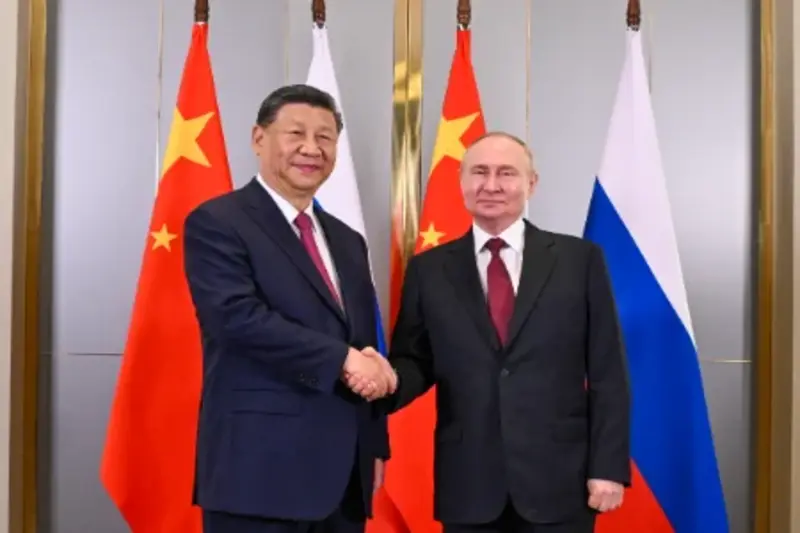
When Vladimir Putin flew to Beijing in May, the timing was hard to miss. Donald Trump had been at Xi’s compound just days earlier. Soon after, Putin and Xi were calling their friendship “unyielding.” For many people in the West, one question follows: should we be worried?
Background: A Partnership Decades in the Making
Russia-China relations didn’t appear overnight. Xi says ties have climbed over 30 years to the highest level in history. Money backs the words, too. Bilateral trade reached roughly $253 billion in 2024.
Latest Updates: What Changed This Year
In February, the two leaders held a video call to compare notes on the United States. The Kremlin said their views “practically coincide.” Then came May’s state visit. It produced a joint statement on a multipolar world and 20 cooperation agreements.
Energy is the engine. A Kremlin aide said Russian oil exports to China grew 35% in the first quarter. The pair met again on August 31 at the Shanghai Cooperation Organization summit in Kyrgyzstan. Still, not everything is settled. A key pipeline project remains unresolved. One Chatham House analyst described Putin’s trip as an effort at “maintaining the status quo.”
Why Western Security Is Part of the Story
Here’s the sticking point. In June, NATO chief Mark Rutte said the alliance is watching sanctions evasion and dual-use goods, adding, “We are not naive.” Months earlier in Munich, the U.S. ambassador to NATO said the war was being “completely enabled by China.” Officials point to dual-use components and critical minerals used in Russian drone production. Beijing rejects the charge. It says it has supplied no lethal weapons and enforces strict controls on dual-use items.
What It Means for Ordinary People
My read: think of China as Moscow’s financial safety net. Sanctions bite less when a giant customer keeps buying oil. That can prolong the war and keep European defence budgets high, which eventually shows up in taxes and energy bills. But the two aren’t mirror images. One European analysis argues Beijing separates the Ukraine war from any direct Russia-NATO conflict. In other words, China may not back Russia equally in a bigger fight.
Explore the Global Power Shifts, Security Challenges, and Economic Trends Shaping 2026
What Does China-Russia Cooperation Mean for Asia?
Why Are Western and Global Views Divided?
Why Are G7 Ministers Targeting Media Safety?
Will Consumer Confidence Affect Holiday Shopping?
How Could NATO’s Hybrid Threat Strategy Affect Americans?

