

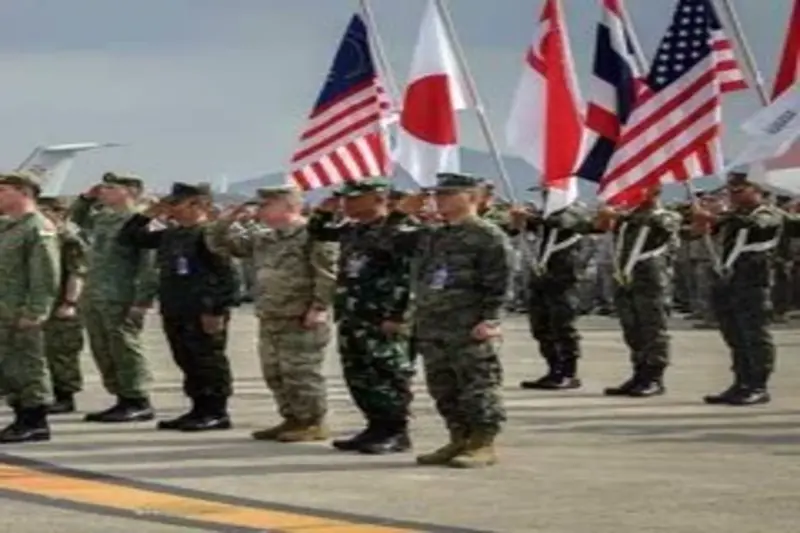
U.S. Alliances in Asia in 2026: How Japan, South Korea, and Regional Partners Are Rethinking Security
For 75 years, Japan and South Korea have relied on one simple promise: if trouble comes, America shows up. In 2026, U.S. alliances in Asia still rest on that promise. But both countries are quietly preparing for a day when they may have to do more on their own.
Background: A Cold War Deal Gets a Rethink
The U.S.-Japan alliance marks its 75th anniversary this September. For decades it was lopsided. Washington took primary responsibility for Japan’s defense, while Tokyo, restrained by its pacifist constitution, kept its military power limited. South Korea’s setup looks similar, with about 28,500 U.S. troops stationed there.
Japan Isn’t Waiting Around
Japan reached its goal of spending 2% of GDP on defense before March 2026. Prime Minister Sanae Takaichi has also removed restrictions on arms transfers, and Japan received its first Tomahawk missiles in March. Her government plans to update its three core strategy documents by the end of 2026. The goal isn’t to leave the alliance. It’s to become a partner Washington can’t easily overlook.
South Korea Raises Its Stake
Seoul is moving the same way. President Lee pledged to lift defense spending from roughly 2.3% to 3.5% of GDP, raised the 2026 defense budget by 7.5%, and is reportedly pursuing nuclear-powered submarines, which President Trump says he supports. South Korea’s latest cost-sharing deal raises its contribution by 8.3%, to roughly $1.19 billion in 2026.
The Trump–Xi Factor
Here’s where the nerves come in. Before Xi Jinping’s White House visit in September, the U.S. restated its commitment to defend Japan and South Korea, while analysts said both allies feared concessions to Beijing over Taiwan and trade. The summit ended with the trade truce extended through January 2027. There were no signs that Xi won further concessions on Taiwan. Still, the worry hasn’t gone away.
Regional Partners Link Up
Smaller allies are hedging too. An Australian think tank describes Australia’s defense relationship with the Philippines as Manila’s closest after the U.S. These side connections add resilience, though they also reshape the old hub-and-spokes model, where every ally connected mainly to Washington.
Why It Matters for Everyday People
Eurasia Group’s Jeremy Chan says allies want calmer U.S.-China ties, but not through concessions that hurt their own security or economies. Meanwhile, East Asia Forum writes that Tokyo feels locked into dependence on Washington even as doubts about U.S. guarantees grow. The effects reach ordinary households. Bigger defense budgets compete with other spending, and tensions can ripple into chip supplies, shipping costs and prices. In South Korea, some polls suggest a majority support developing a domestic nuclear weapons capability, though President Lee has called that a senseless move.
Explore Japan’s Biggest Developments and the Global Rivalries Shaping America’s Future
What Should Americans Know Before Visiting Japan?
Discover how Japan’s crowds, travel costs, and new tourism rules could affect your 2026 trip.
Will Japan’s Election Really End in a Runoff?
Find out what Japan’s election developments could mean for its political future and leadership.
How Are U.S. Alliances Shaping Global Power?
Could Taiwan Tensions Disrupt America’s Chip Supply?
Why Is China Testing America’s Defenses?
Look into China’s military and strategic moves in Asia and what they mean for regional security.

