

Oxford Street Pedestrianization in London 2026: What American Tourists Need to Know Before Visiting
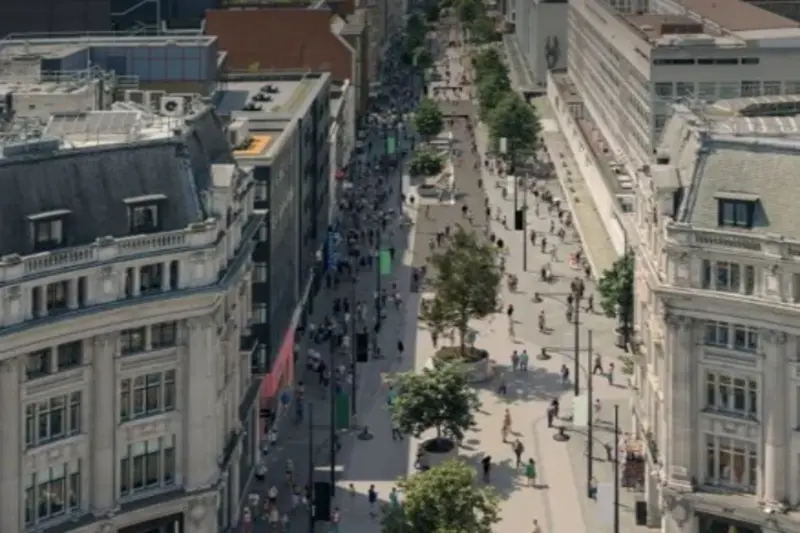
Imagine you’re walking past Selfridges with a shopping bag in hand, and no red double-decker is roaring past your elbow. For years that was a daydream. Since Monday, it’s been real.
What Changed on Oxford Street
The road between Orchard Street and Great Portland Street went traffic-free on October 26, and cars, buses, cabs, bicycles and e-scooters are now prohibited, with deliveries allowed only overnight. That’s nearly a kilometer of road. The Oxford Street pedestrianization covers the busiest part of the shopping district, including the Oxford Circus area.
A Long Time Coming
Mayor Sadiq Khan has chased a car-free Oxford Street since 2017. He gave final approval on February 26, after two rounds of consultation. An early consultation found 63 percent of Londoners in favor. Earlier attempts failed, including a proposal from former mayor Ken Livingstone in the early 2000s that was rejected.
What American Tourists Need to Know
Getting around
If you’re used to hopping on a bus along Oxford Street, adjust your plans. Buses and taxis are being diverted to surrounding streets, with routes 98, 139 and 390 now running via Wigmore Street. Alternative stops sit roughly 200 meters from the traffic-free section, and taxi passengers need different pickup and drop-off points. Transport for London says bus journeys will be delayed by only several minutes. Still, leave yourself some buffer.
Shopping and crowds
The street draws more than 500,000 visitors a day, so expect packed sidewalks. The difference is that you can now spread out onto the road. Note that the project isn’t finished: raised road surfaces, public squares, planting and benches are planned, with the first sections due in spring 2027. Some construction may still be around.
Why It Matters
This is about more than comfort. City Hall says tourism hasn’t fully recovered since the pandemic, some flagship stores have closed, and souvenir and US-themed candy shops have multiplied. The bet is that a pleasant, walkable street will bring back better retail and longer visits.
It isn’t universally loved. Resident groups in Fitzrovia, Marylebone, Mayfair and Soho opposed the plan over traffic pushed onto their streets. Whether those side streets cope will be the real test.
For visitors, the takeaway is simple: wear comfortable shoes, plan your transit around Wigmore Street, and enjoy a version of Oxford Street that Londoners have waited decades to see.
Explore the Pop Culture Moments, Lifestyle Shifts, and Travel Trends Making Headlines
Can London Star Trek Fans Break Records?
Why Are Londoners Struggling With Living Costs?
Find out why four in ten Londoners reportedly cannot afford a basic standard of living in 2026.
How Do Viral Songs Become Sold-Out Shows?
Why Are Museums Attracting Fashion Lovers?
Which New Tourist Taxes Affect Americans?

