EU Plans Major Frontex Border Agency Expansion: What Changes for European Travel and Migration?
Picture a border force that can reach a crisis zone within 24 hours and operate well beyond Europe’s own soil. That is the picture Brussels painted on October 27, and the argument over it has already begun.
What the Frontex Expansion Plan Actually Includes
The European Commission wants to give Frontex, the EU border agency, much broader powers. The plan covers rapid-reaction teams for emergencies, operations outside the bloc, and help deporting people from one non-EU country to another.
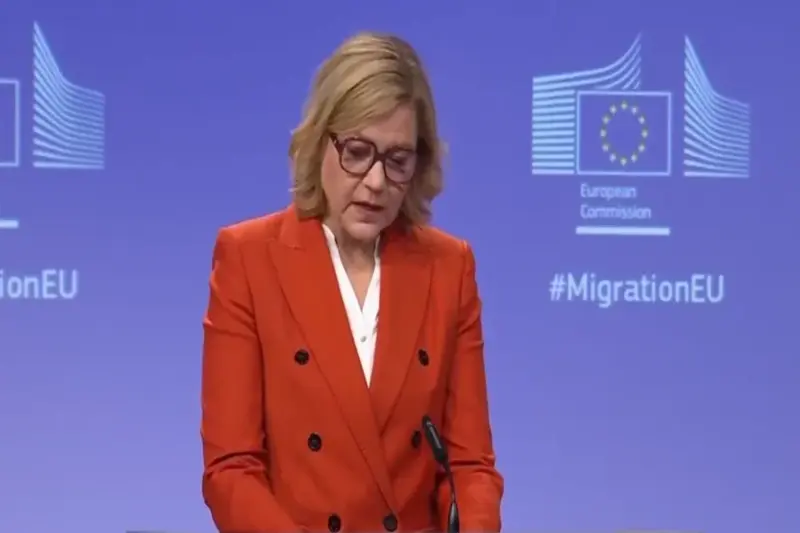
Migration Commissioner Magnus Brunner said Frontex would become the “central EU actor on returns.” The scale is striking. The agency’s standing corps would grow gradually to 30,000 officers, including a new 17,000-strong reserve by 2041. Brussels also proposes €11.8 billion for 2028–2034, nearly double the current budget.
Why Brussels Is Moving Now
The trigger was Ceuta. More than 72,000 people arrived in the Spanish enclave from Morocco in late July, though most later left. Several governments pointed to it as proof the EU needs sharper tools.
Oddly, the wider trend is calmer. Frontex says irregular crossings fell by almost a third in the first nine months of 2026. Migration remains a divisive issue anyway.
What It Means for Travel
Nothing changes at the airport tomorrow. This is a proposal, and Parliament and member states still have to agree to it.
Still, travelers should watch the details. Frontex is expected to handle risk analysis for visa-free visitors, who must register their border crossings under a new system. The plan also adds an online monitoring centre to track border-related social media content.
What It Means for Migration
The focus is returns. A new Return Coordination Centre would cover the whole deportation process, from voluntary-return counselling to reintegration support. A Bangladeshi national in Libya, for example, could be sent straight home.
The Pushback
Rights groups aren’t convinced. The proposal would narrow Frontex’s internal rights watchdog, sending complaints to national authorities instead. Dutch Green MEP Tineke Strik warned that working with third countries without proper oversight threatens fundamental rights and leaves Frontex staff in legal limbo.
Some capitals have also urged caution, insisting the agency’s tasks be clearly defined before any expansion.
Plan Smarter Trips With Travel Rules, Budget Tips, and Seasonal Getaways
Can Americans Enter Europe More Easily Now?
Is November Really Cheaper for Europe Travel?
Where Can You See Northern Lights Cheaply?
How Can Americans Save on Europe?
When Should You Book Thanksgiving Flights?