

Saudi Oil Infrastructure Under Threat: Why Global Oil Prices and Energy Security Are at Risk
Saudi Arabia produces about one in ten barrels used around the world, so problems at its plants reverberate far beyond the Gulf. Traders, airlines and governments have been nervously watching the region since the drone attack on Ras Tanura in March 2026. The kingdom’s energy network is huge, valuable and concentrated in a small area, which makes it a tempting target. Every disruption, even a small one, reminds buyers how much depends on a few sites. This article explains why Saudi oil infrastructure matters so much, what happened at one of its biggest refineries, and how global oil prices respond when supply looks unsafe.
What Happened at Ras Tanura and Why the System Is Exposed
On 2 March 2026, two drones targeted Ras Tanura, a refinery that can process about 550,000 barrels a day. Saudi officials said both were intercepted, yet falling debris sparked a small fire that crews quickly put out. Damage was minor, but Aramco shut the plant as a precaution and moved some exports through Yanbu on the Red Sea. The Ras Tanura refinery restarted within weeks. Riyadh blamed Iran, which denied involvement.
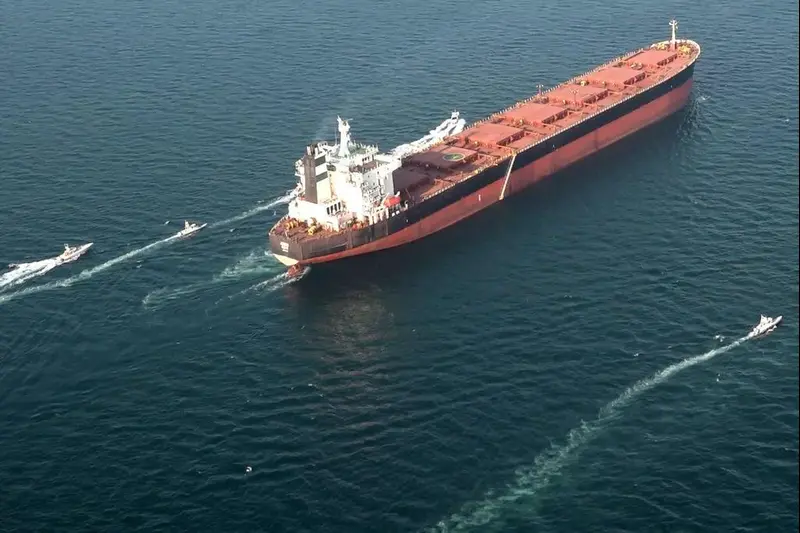
The episode showed how fragile the setup can be. Oil fields, processing plants and export terminals sit close together near the Persian Gulf, and cheap drones are hard to stop every time. Saudi Arabia does have backup routes, including pipelines to the Red Sea, but they cannot easily carry every barrel that normally leaves through Gulf terminals. Nearby, the Strait of Hormuz carries about a fifth of the world’s oil and gas. When ships hesitate to enter, even undamaged facilities lose value.
How Oil Prices and Everyday Life Are Affected
Markets react to fear before a single barrel is lost. After the attack, prices jumped, and Brent crude was reported near $110 at one point during the tension. Asian refiners trimmed output, Japanese refinery use dropped, and China banned fuel exports to protect its own supply. These choices ripple outward, tightening fuel supplies in countries that never saw a drone.
For ordinary people, higher crude usually means costlier petrol, diesel, airfares and shipping. Import-heavy economies such as India, Japan and much of Europe feel it first. Airlines and shipping firms often pass higher fuel bills to customers within weeks. Plastics and fertiliser makers feel the squeeze too, since oil and gas are their raw materials. Governments may release emergency stocks or trim fuel taxes for a while, but those steps only soften the blow. Real relief comes when shipping lanes stay open and Gulf facilities stay quiet.
Explore how Houthi attacks are reshaping Gulf security, oil prices and global energy concerns.
Could the Houthi attacks send oil prices soaring?
Why Is Yemen’s War Spreading Across Borders?
Uncover how strikes on Aden and Saudi energy sites could widen the Yemen conflict.
How Could Houthi Attacks Affect American Travellers?
Find out what rising regional tensions could mean for US travellers and security.
What Does Riyadh Airport Attack Mean?
Explore what Americans should know about Gulf tensions and potential oil price impacts.
Could Yemen’s War Push US Gas Prices Higher?

