

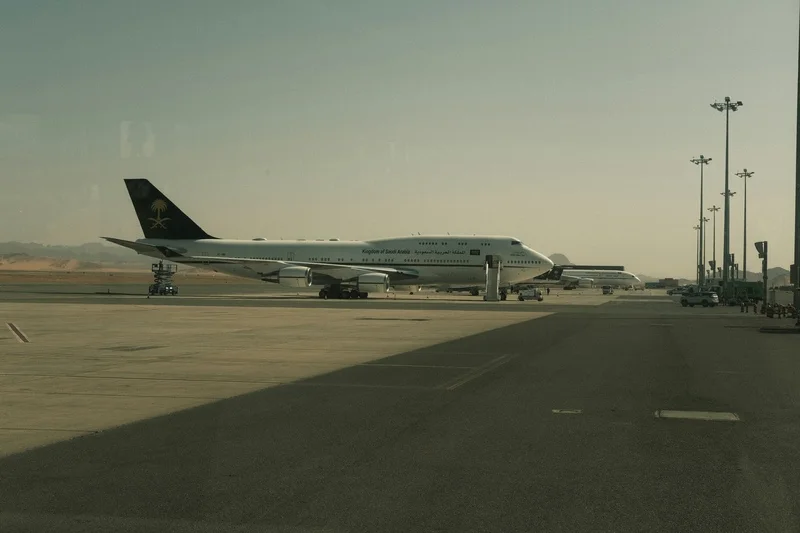
Riyadh Airport Attack Today: What Americans Should Know About Gulf Tensions and Oil Prices
You may never set foot in Riyadh. But if you’ve filled your tank lately, you’re already feeling the ripple.
What Happened at King Khalid International Airport
Three Saudi citizens, including a Saudia pilot, were killed in attacks on the airport and a Saudia aircraft, according to the kingdom’s civil aviation authority. The Saudi statement didn’t name a culprit, but Yemen’s Houthi rebels claimed they targeted the airport with a ballistic missile. Hundreds of flights were canceled, according to FlightAware. Saudi officials later said operations had returned to normal.
Why Saudi Arabia Is Under Fire
This didn’t come out of nowhere. Saudi Arabia and allied Yemeni forces launched a major offensive against the Iran-backed Houthis last weekend, and Thursday’s attack was the deadliest in the kingdom since. The strikes also add a new front to the wider Iran war, which has already been rattling energy markets.
Airlines Are Backing Away
Air India suspended operations through Saturday, and Pakistan International Airlines halted Riyadh flights. The UK government also advises against all but essential travel to Riyadh province.
Why Americans Should Care: Oil and Gas
Saudi Arabia is the world’s largest crude exporter, so trouble there reaches American pumps fast. After the Thursday blasts, crude prices jumped. The backdrop was already tense. Brent crude climbed to nearly $110 a barrel last month, and AAA put the U.S. average at $4.29 a gallon, up more than 34% from a year earlier. Gas prices have risen about 40% since the Iran war began on February 28.
What Analysts Are Saying
Goldman Sachs warned that Brent could top $120 if shipping disruptions in the Persian Gulf and Red Sea worsen. Its base case is a drop to $85 by year’s end. My read: markets react to risk before they react to barrels lost. A single airport strike doesn’t cut supply. A pattern of attacks on Saudi infrastructure makes traders nervous, and that nervousness shows up at the pump within days.
What to Watch Next
- Whether Riyadh’s airport stays open without fresh disruptions
- Whether attacks shift toward Saudi oil facilities
- Whether Gulf-Iran talks over the Strait of Hormuz resume
If you’re traveling to the region, check your State Department advisories and airline alerts before you go.
Explore the Middle East’s Security Challenges, Energy Shifts, and South Asia’s Economic Pressures
Can the UAE Help Strengthen Regional Peace?
Can Saudi Arabia Keep Global Oil Markets Stable?
How Is Riyadh Balancing Iran and Washington?
Why Is Pakistan Hesitating Over IMF Negotiations?
Why Were 262 Pakistani Pilots Grounded?

