

Saudi Arabia’s Security Dilemma: How Riyadh Is Balancing Iran Threats With Its Dependence on the US
Imagine relying on your closest ally for protection, then watching a war start next door that you never asked for and weren’t consulted on. That is roughly where Saudi Arabia found itself this year, and it explains why Riyadh is rethinking who it can count on.
A War Riyadh Didn’t Choose
The conflict began on February 28. Iranian strikes have targeted Saudi energy infrastructure, and the kingdom has shot down dozens of missiles and drones. Analysts at CSIS describe it as a conflict Saudi Arabia had not sought and on which it had not been meaningfully consulted. A ceasefire arrived in April, and Saudi Arabia welcomed it, praising Pakistan’s mediation. A Pakistan-brokered memorandum followed in June. Then things unravelled. The deal collapsed last month, with the US launching 13 consecutive days of bombardment over attacks on vessels in Hormuz, and Iran retaliated against Gulf nations hosting US assets.
Why Saudi Arabia Still Needs Washington
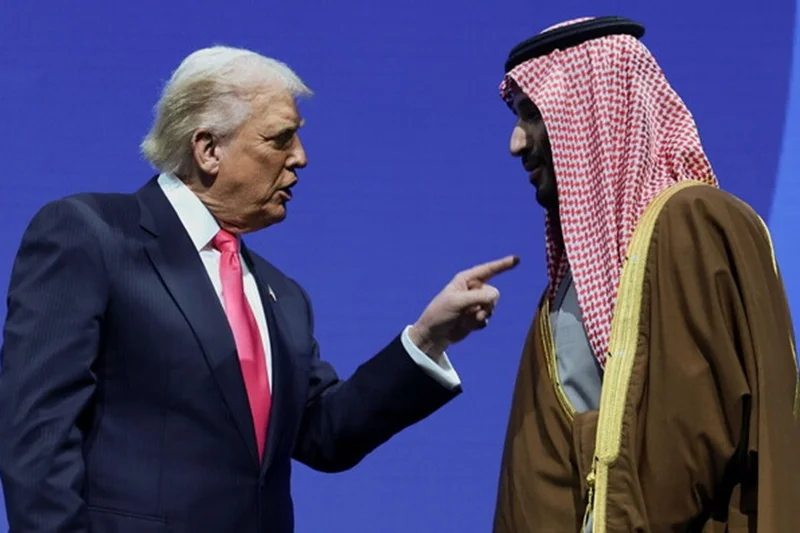
The US remains the kingdom’s biggest arms supplier. The White House called a deal signed during Trump’s Riyadh visit the largest defense sales agreement in history, worth nearly $142 billion. Saudi air defences, aircraft and training largely run on American technology. No one else can replace that overnight. This is the heart of the dilemma, because Saudi Arabia depends on a protector whose decisions can pull it into danger.
The Trust Problem
The doubts aren’t new. The Doha Institute notes that the crisis of confidence began when the first Trump administration failed to respond to the 2019 attack on Saudi Aramco. This year’s war deepened them. CSIS reports Riyadh worried about Iranian retaliation after Trump announced a major decision in May apparently without consulting partners in the region.
Riyadh’s Answer: Hedge Everything
Instead of choosing sides, Saudi Arabia is spreading its bets. Its moves so far:
- New alliances. After a mutual defence treaty with Pakistan in 2025, Saudi Arabia, Pakistan and Türkiye signed a joint defence agreement on 7 August 2026, the first Saudi defence pact outside the Gulf Cooperation Council.
- Open lines to Tehran. On August 2, the Saudi and Iranian foreign ministers discussed diplomatic efforts to reduce escalation.
- Gulf diplomacy. In early September, Crown Prince Mohammed bin Salman met Oman’s Sultan while Iran and Oman worked on a shipping framework for Hormuz.
What the Experts Say
Not everyone is convinced the new pact will deter Iran. A RUSI analysis, republished by Al-Monitor, called its deterrent value “a claim to be tested”. The same piece argued the pact fits the broader US preference for greater regional burden-sharing. In other words, Washington may not mind Riyadh building more friends.
Why It Matters to Ordinary People
Even for those far from the Gulf, the stakes are real. Hormuz carries a huge share of the world’s oil, so disruptions can push up fuel and shipping costs everywhere. Inside the region, civilians are already paying a price: 11 civilians were injured in Houthi attacks in Saudi Arabia’s southern Najran region. There is also a political cost. CSIS argues that if closeness with Israel is seen as raising threats to Saudi Arabia, the Saudi case for normalization comes out of the Iran war weaker than before.
What to Watch Next
Talks are still moving. In early September, Iran’s president said Tehran would return to the ceasefire if the US does. Whether that happens will shape how far Riyadh leans on Washington, or away from it.
FAQs
What is Saudi Arabia’s security dilemma?
Riyadh needs US weapons and protection against Iran, but US actions can also draw the kingdom into conflict. That pushes it to find other partners.
Is Saudi Arabia leaving its US alliance?
No. It is diversifying. Analysts see the new pacts as a supplement to the US relationship, not a replacement.
What is the new defence pact?
It is an agreement between Saudi Arabia, Pakistan and Türkiye, signed on August 7, 2026, building on Saudi Arabia’s 2025 deal with Pakistan.
Why does the Strait of Hormuz matter?
It is a key route for global oil shipments. Closures or attacks can raise energy prices worldwide.
Is there a ceasefire now?
The April ceasefire has broken down and been revived more than once. As of early September, Iran said it would return to it if the US did.
Explore the latest developments shaping global debates on the Muslim Brotherhood and Islamist networks.
What Is Oklahoma Investigating About CAIR?
Check out the latest details on Oklahoma’s investigation and the calls for federal action.
How Are New Sanctions Targeting Hamas?
Find out how Washington’s latest sanctions are targeting financial networks linked to Hamas and the Muslim Brotherhood.
What Does Abbott’s Speech Signal?
Uncover what the Texas governor’s remarks indicate about the debate surrounding the Muslim Brotherhood designation.
Why Is Britain Debating Alleged Influence?
Browse the global reactions to claims of alleged Muslim Brotherhood influence in Britain.
What Does France’s Report Reveal?
Dive into France’s findings and the questions they raise about Islamist networks across Europe

