

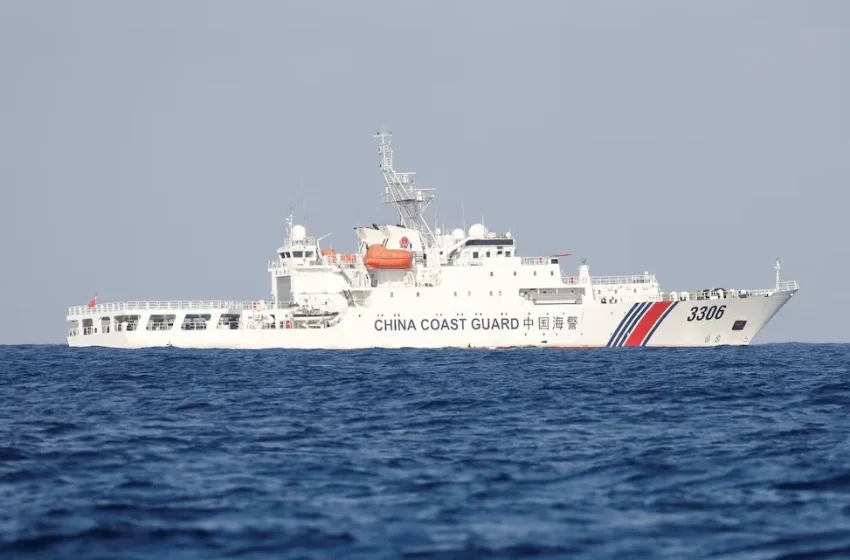
China Taiwan Tensions and the South China Sea Crisis: How Ships and Chips Could Reach Your Wallet
Most Americans do not think about the Taiwan Strait when they shop for a phone or fill up a car. Yet China Taiwan tensions are quietly tied to those everyday choices. The South China Sea crisis adds another layer, because it touches the sea lanes that carry goods to US ports. Taiwan also builds the chips that run modern life. If trouble grows in this part of the world, prices and supplies back home could feel the strain.
Why Ships and Chips Link Asia to Your Wallet
Think of the South China Sea as a busy highway with no alternate road. Container ships carrying electronics, clothes, car parts and fuel use it daily. When military drills or coast guard standoffs start, shipping companies worry about safety, insurers charge more, and some vessels take longer routes. Those extra costs rarely vanish. They tend to show up later as higher prices on store shelves.
Taiwan matters even more because of chips. The Institute for Economics and Peace says the island holds about 92 percent of the world’s advanced chip production capacity. A Taiwan blockade, the same research suggests, could cost the global economy roughly 2.7 trillion dollars in the first year. Phones, laptops, cars and hospital equipment all depend on these tiny parts, so a shortage would not stay in factories for long.
What Families and Workers Can Do Right Now
Nobody can say how this will play out, and panic helps no one. A calm plan works better. Start with an emergency fund, even a small one, so a sudden price jump does not force you into debt. If you own retirement investments such as a 401(k), check that your money is spread across different sectors instead of being packed into tech alone.
Shoppers can also help themselves. If you need a new laptop or phone, compare prices for a few weeks and avoid buying in a rush when headlines turn scary. Washington is trying to lower the risk through the CHIPS and Science Act of 2022, which encourages companies to build chip plants inside the United States. That effort will take years, so personal habits matter in the meantime.
Finally, choose your news carefully. Trusted outlets and official government updates are more reliable than viral posts, which often exaggerate during tense moments. Steady savings, patient shopping and good information are small steps, yet together they can protect a household from a lot of stress.
Five stories shaping Asia’s strategic future
Could Taiwan tensions disrupt U.S. chip supplies?
Why does Bab el-Mandeb matter to America?
What triggered Nepal’s catastrophic glacial flood?
Uncover how a glacial collapse near the China-Nepal border unleashed devastating flash floods.
What’s driving China-Indonesia’s closer strategic ties?
Could China-Indonesia ties reshape Southeast Asia?
Look into how growing cooperation could shift the region’s strategic balance.

