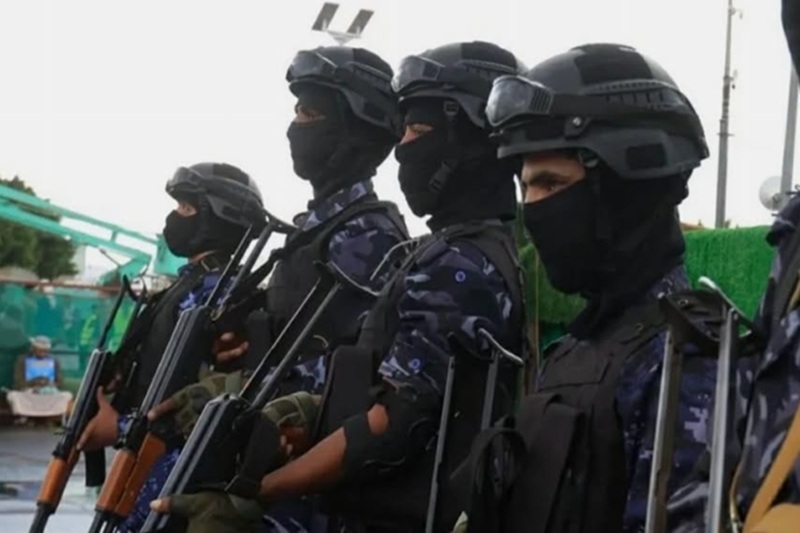
G7 Urges Iran to Stop Arming Houthis in Yemen as Red Sea Conflict Threatens Global Trade Ahead of UNGA
The Yemen conflict is flaring up again, and this time the ripple effects are getting serious attention on the world stage. Houthi forces have been pushing along Yemen’s Red Sea coast and striking at Saudi Arabia, prompting the G7 to publicly call on Iran to cut off its support for the group. The warning: this could spiral into something that hits global trade and economic stability hard.
What the G7 actually said
Foreign ministers from the US, UK, Canada, France, Germany, Italy, and Japan met on the sidelines of the UN General Assembly in New York and issued a joint statement demanding Iran stop arming and backing the Houthis. They also called on the Houthis themselves to halt military operations and any attacks or threats against civilian ships, and to get back to the negotiating table for Yemen’s political process.
The statement tied the fighting directly to risks for trade, energy security, and supply chains and specifically invoked UN Security Council resolutions 1747, 2140, and 2216 as grounds for demanding Iran back off. As for Iran’s actual role, that’s still contested. Most international outlets describe the Houthis as Iran-aligned, but Tehran denies directly controlling their military moves. The Houthis, for their part, insist their Red Sea operations are purely defensive and that international shipping isn’t under threat.
Why everyone’s watching the Bab el-Mandeb Strait
The real chokepoint here is the Bab el-Mandeb Strait, the narrow passage linking the Red Sea to the Gulf of Aden and the Indian Ocean beyond. It matters because it’s the shortcut: ships moving between Asia and Europe can go through the Red Sea and Suez Canal instead of sailing all the way around Africa.
Houthi forces have reportedly been advancing along Yemen’s western coast, and Reuters reported earlier this month that they’d reached Perim Island right in the strait itself, a move that could tighten their grip on the route. If that shipping lane gets disrupted for any length of time, expect knock-on effects: shipping delays, higher insurance premiums, energy transport headaches, and rising prices on goods generally. The G7 specifically flagged risks to energy, fertilizer, and food supplies, the kind of disruption that hurts vulnerable populations well outside the conflict zone.
Saudi Arabia feeling the heat too
Part of what’s driving the G7’s statement is renewed Houthi activity aimed at Saudi Arabia. As the Houthis push through key parts of Yemen, Saudi-backed forces are trying to hold the line. Reuters has reported that Saudi oil exports and backup transport routes are already feeling the strain from broader regional instability. And it’s not just a Yemen problem. The region is dotted with critical chokepoints Bab el-Mandeb and the Strait of Hormuz both sit nearby so trouble at more than one of these points at once could push shipping costs up and add fresh uncertainty for economies that depend heavily on oil.
All eyes on the UN General Assembly
This is all playing out against the backdrop of the 2026 UN General Assembly, where Middle East conflicts are dominating the agenda. Yemen’s situation is coming up alongside broader worries about regional security, energy supply, and freedom of navigation. The G7 says it’s backing a Yemeni-led political settlement and supporting the diplomatic push led by UN Special Envoy Hans Grundberg. The open question now is whether diplomatic pressure can actually stop this from turning into a bigger threat to global shipping or whether the Red Sea becomes the next flashpoint everyone’s forced to reckon with.
FAQ
Why is the G7 pressuring Iran over the Houthis?
They argue Iranian support is fueling the escalation and putting maritime security, trade, and the broader economy at risk.
What makes the Bab el-Mandeb Strait so important?
It’s a key link between the Red Sea and the Gulf of Aden, a vital shortcut for trade moving between Asia, the Middle East, and Europe.
Are the Houthis targeting commercial ships?
The G7 wants that to stop, though the Houthis dispute the framing and say their actions are defensive, not offensive.
Stay ahead with the latest stories making waves worldwide.
How Is Typhoon Narra Affecting China?
Check out the latest updates on floods, evacuations, and heavy rainfall across Southern China.
What Happened After Typhoon Struck Philippines?
Find the latest details on Marcos’ aid efforts and the typhoon’s deadly impact.
How Badly Did Nanmadol Hit Japan?
Uncover the latest reports on Typhoon Nanmadol’s impact, damage, and disruption across Japan.
Can London Fans Break Vulcan Salute Record?
Experience Star Trek Day 2026 as London fans attempt a record-breaking Vulcan salute.
What Are COSCO Spy Allegations About?
Dive into the allegations surrounding COSCO ships and claims of military intelligence collection.