

COSCO Spy Allegations: US Officials Accuse Chinese Shipping Giant of Using Ships to Collect Military Intelligence
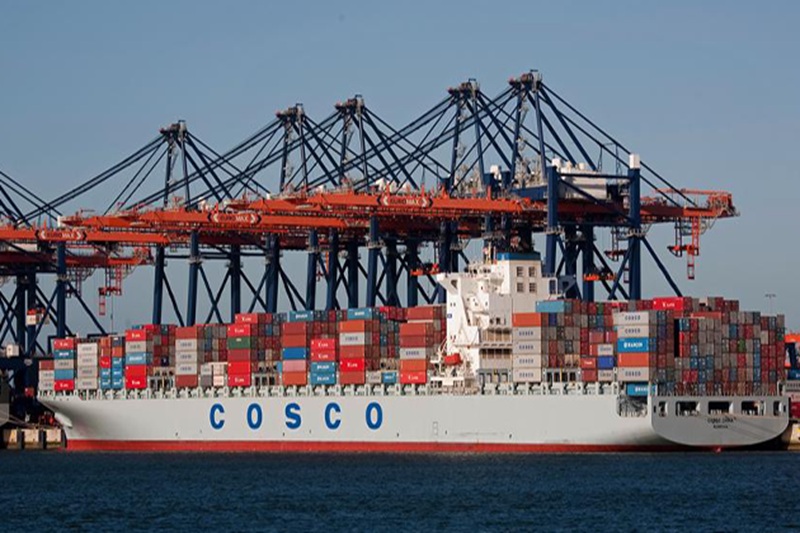
At first glance, a COSCO container ship pulling into an American port looks like nothing more than global trade in motion. But according to U.S. officials, some of those vessels may be doing a lot more than hauling cargo. Two senior officials in the Trump administration told Reuters that COSCO China’s state-owned shipping giant has allegedly been running a quiet intelligence operation for decades, using hidden equipment onboard its ships to pick up military communications near coastlines around the world, including in the U.S.
What’s actually being alleged
The claim is that specialized gear tucked away on these ships can intercept signals from military aircraft and vessels operating across Europe, North America, and Asia. Officials say the equipment isn’t just eavesdropping randomly it’s reportedly built to gather intel on military communications tech and encryption systems, while also keeping tabs on shipping lanes that matter for both trade and defense. Notably, the officials haven’t named specific ships or gotten into the technical weeds publicly, so a lot of this is still shrouded in vagueness.
China isn’t having it
Beijing has pushed back hard. The Chinese embassy in Washington called the allegations baseless, insisting the government doesn’t direct companies or individuals to spy overseas in violation of other countries’ laws. Officials there framed it as yet another example of the U.S. painting China as a security threat. COSCO itself stayed quiet, not responding to Reuters’ request for comment. That silence and denial matter, because if these allegations stick, the fallout could reach well beyond spy agencies and diplomatic cables.
Why this isn’t just another spy story
COSCO isn’t some small player, it’s one of the largest shipping companies on Earth, deeply woven into global supply chains and U.S. port operations. The Pentagon already added the company to a list of businesses tied to China’s military back in January 2025. That label doesn’t trigger sanctions on its own, but it does tighten scrutiny and limits some government procurement dealings. This all plugs into a bigger, ongoing worry in Washington about China’s “military-civil fusion” strategy, basically the idea that everyday commercial infrastructure, from ships to fishing boats, could double as tools for national security purposes. A Naval War College report from 2025 even floated the idea that parts of China’s commercial and fishing fleets might be serving double duty for surveillance.
The tricky part: untangling COSCO from global trade
Here’s the problem for U.S. policymakers: COSCO is everywhere. Isaac Kardon, a maritime strategy expert at Johns Hopkins, warned that cutting the company out of American transportation networks could seriously disrupt trade, not just inconvenience it. Importers, exporters, and logistics companies could all feel the pinch. So instead of an outright ban, this might translate into tighter screening of Chinese-linked ships and port infrastructure, a slower, more grinding kind of pressure rather than a dramatic cutoff.
Stay informed with the latest stories making headlines worldwide.
Could Typhoon Narra Worsen China Floods?
Check out how Typhoon Narra is affecting southern China and displacing thousands.
Can Pakistan-Iran Talks Bring Peace?
Find out how Pakistan-Iran talks are progressing toward regional peace and stability.
Why Is Saudi Arabia Investing Near Paris?
Uncover Saudi Arabia’s $7 billion plan to build three theme parks near Paris.
How Did Death Valley Turn Deadly?
See what happened when a French tourist became stranded in extreme Death Valley heat.
Will Pakistan-Iran Talks End Conflict?
Track down the latest developments as both sides push to resolve the regional conflict.
The timing couldn’t be more loaded
All of this is surfacing right as Trump and Xi Jinping are set to meet in Washington later this month, with trade and security expected to dominate the agenda. For the U.S., these allegations reinforce long-standing worries about China turning commercial networks into intelligence tools. For China, any new restrictions on COSCO will likely be read as one more move to box out Chinese companies globally. For now, none of this is confirmed fact it’s still allegations from U.S. officials, not a public case built against specific ships. But given how central COSCO is to global shipping, this is a story worth watching closely as it develops.
FAQs
1. What is COSCO accused of doing?
U.S. officials allege that COSCO vessels have used concealed equipment to collect military communications and monitor strategic maritime routes.
2. Has China admitted to the alleged intelligence operation?
No. China has rejected the allegations and called the U.S. claims baseless.
3. Is COSCO sanctioned by the United States?
COSCO has been placed on a Pentagon list of Chinese companies linked to the military, but that designation is not itself a formal sanctions measure.
4. Why is COSCO important to the U.S. economy?
COSCO is a major global shipping company with significant connections to international supply chains and U.S. port operations.
5. Could the allegations affect shipping costs?
Potentially. New restrictions, port fees or access limits could increase logistics costs or force companies to adjust shipping routes and suppliers.

