

Russia Election 2026: Putin’s United Russia Set to Dominate First Wartime Parliamentary Vote
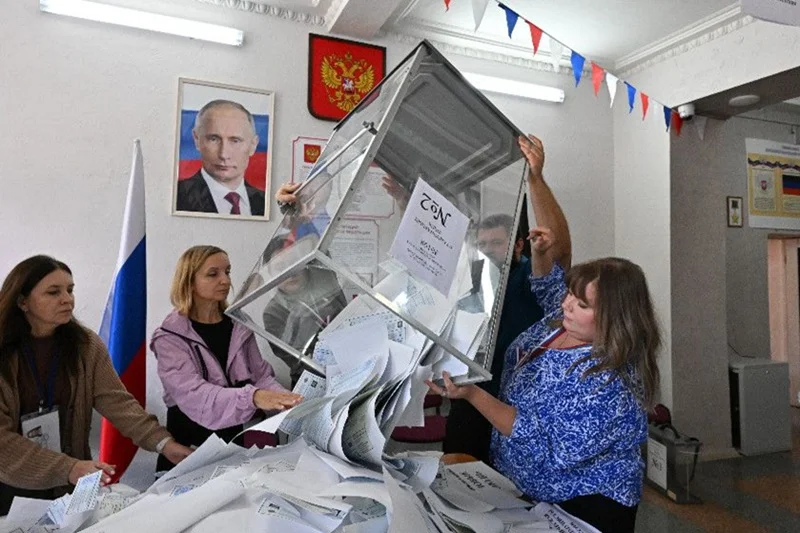
Russia just wrapped up its first parliamentary election since the full-scale invasion of Ukraine began back in 2022 and the results look exactly like what most people expected. President Vladimir Putin’s United Russia party is coasting to a commanding victory, running the vote against a backdrop of war, drone strikes, and a squeezed economy.
The election stretched across three days, from September 18 to 20. With more than half the party-list ballots counted, United Russia was sitting at nearly 58% putting it on track to also sweep most of the 225 individual constituency seats and tighten its grip on the 450-seat State Duma even further.
So what actually happened?
Every one of the Duma’s 450 seats was up for grabs, each for a five-year term. Half get decided by a national party-list vote, the other half through local, single-seat races. Some regions even offered electronic voting. Turnout came in around 56.7%. This isn’t new territory for United Russia; the party already controlled more than two-thirds of the Duma after the 2021 election, and nothing about this result suggests that’s about to change.
Why nobody’s surprised
United Russia went into this election with the Kremlin fully behind it and every institutional advantage that comes with that. Sure, other parties were technically on the ballot the Communists, LDPR, A Just Russia, New People but according to the Associated Press, they all largely fall in line with the Kremlin’s stance on the war anyway.
Meanwhile, the liberal Yabloko party got pulled from the national list entirely, and anti-war voices have spent the past few years dealing with prison sentences, restrictions, or exile. So while the numbers say United Russia won big, that’s not quite the same as saying it reflects free and open public opinion. Worth keeping in mind.
A country under pressure
None of this happened in a vacuum. Ukrainian drones pushed further into Russian territory during the voting window, with strikes hitting Moscow and other regions. Russian officials also said the electronic voting systems came under cyberattack. On top of that, the war has been straining Russia’s economy for a while now, including hits to fuel supply and energy infrastructure.
For the Kremlin, though, this election is a chance to project stability to show the world (and its own population) that support for the war effort remains solid. Reuters reported that Putin himself framed the vote in exactly those terms: a test of whether the public still backs the fight.
Why it matters beyond Russia’s borders
A Duma dominated by Kremlin allies means Putin’s government will keep sailing through legislation on defense, the economy, and social policy with little real pushback including, of course, decisions tied to the war itself.
The vote also stirred up plenty of international criticism, especially around ballots cast in Ukrainian territory that Russia occupies and claims as its own. Kyiv has flatly rejected that voting as illegitimate, and the EU has called it a violation of international law.
For anyone watching from outside Russia, the real story isn’t just who won which seats it’s what this election reveals about how Russia’s political system operates in wartime.
What’s next
Final numbers and the full seat breakdown are still coming, but the early trend is unmistakable: United Russia holds its dominant position, and Putin’s political continuity remains intact. It’s one more marker in Russia’s wartime political story, one with ripple effects reaching well past Moscow.
FAQ
When was it held?
September 18–20, 2026.
Who’s winning?
United Russia, with close to 58% of counted party-list votes at last check.
How many Duma seats total?
450 half by party list, half by individual constituencies.
Why does this election stand out?
It’s the first since Russia’s 2022 invasion of Ukraine, held amid ongoing war, economic strain, and a tightly controlled opposition landscape.
What does it mean going forward?
A continued United Russia majority locks in the Kremlin’s grip on parliament and clears the runway for its wartime agenda.
Catch up on the latest developments shaping Putin, Zelenskyy, and Russia-Ukraine diplomacy.
Why Did Putin Rename The Pipeline?
Check out the reasons behind Russia’s major gas pipeline name change.
Why Did Putin’s Alaska Visit Fail?
Find out why the Alaska meeting ended without a ceasefire agreement.
Will Zelenskyy and Putin Finally Talk?
Uncover what the planned Turkey ceasefire talks could mean for both sides.
Why Did Putin Announce Victory Day Ceasefire?
Browse the details behind Putin’s May 8–10 ceasefire announcement.
Is Zelenskyy Ready For Peace Talks?
See why Zelenskyy expressed willingness to meet Putin if it could save lives.

