

Russia Bars Anti-War Yabloko Party From 2026 Parliamentary Elections: What Happened?
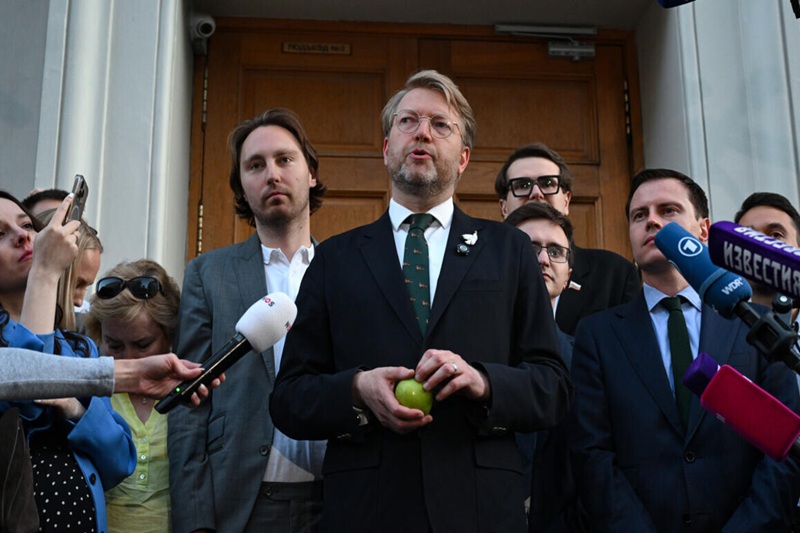
Russia’s parliamentary elections were never going to be a fair fight. But this week, the field got even narrower and it happened fast. On August 10, Russia’s Supreme Court stripped the Yabloko party of its right to run in September’s elections, reversing a decision the Central Election Commission had made just weeks earlier. The move eliminates the only registered party in the country that openly opposes the war in Ukraine.
So what actually happened?
The complaint came from Rodina, a small nationalist party with close Kremlin ties. Rodina claimed Yabloko had broken election rules in several ways taking undisclosed foreign campaign help, going over spending limits, even copyright issues. But buried in the legal language was a more pointed complaint: Rodina objected to Yabloko’s anti-war stance itself, accusing the party of backing causes Russian law prohibits. Yabloko isn’t taking this quietly. Party leader Nikolai Rybakov pushed back hard, pointing out that the Central Election Commission had already reviewed the party’s paperwork and cleared it unanimously. He’s calling the court’s reversal a political hit job and says an appeal is coming.
Who is Yabloko, anyway?
The party dates back to the 1990s, when it was a real force in Russian liberal politics. It lost its seats in the Duma since then, but it never gave up the fight pushing for democratic reforms, civil liberties, and, more recently, an end to the war. Its 2026 platform was built around exactly that: a ceasefire, real diplomacy, and a stop to the crackdown on dissent at home. That platform stood out precisely because almost nobody else running shares it. Most of the major parties in this race are aligned, one way or another, with the Kremlin’s line on the war.
More Stories You Shouldn’t Miss
Could Tom Holland’s Luxury Stay Surprise?
Discover the lavish details behind Tom Holland’s extravagant stay at Mumbai’s iconic Taj Mahal Palace.
What Makes India’s Brain Atlas Revolutionary?
Explore how Indian scientists are unlocking the mysteries of the human brain with cutting-edge 3D mapping.
Why Did US Seize Iranian Tanker?
Uncover the dramatic events behind the US Navy’s tanker seizure and its impact on India.
Why Reject Two Citizenship Offers?
Find out why Rashid Khan chose loyalty over offers from India and Australia.
How Did Vikram-1 Create History?
Check out how Skyroot’s Vikram-1 became a milestone for India’s private space ambitions.
Why let them in, then pull them out?
That’s the part that’s raising eyebrows. Some analysts think the initial approval wasn’t a mistake at all; it may have been a calculated release valve, a way to let frustrated voters blow off steam without any real threat to the system. One analyst, cited by AP, suggested Yabloko’s campaign simply drew more attention than the Kremlin bargained for. Euronews reported similar speculation. None of this is confirmed, it’s informed guesswork, not proven intent but the timing does look suspicious.
Does this actually change the outcome?
Probably not in terms of seats Yabloko was never going to challenge United Russia’s dominance. But the symbolic loss is bigger than the electoral one. With Yabloko gone, Russians who want to register anti-war sentiment through a legitimate ballot no longer have that option. And this isn’t happening in a vacuum: Yabloko members have already faced prosecution, “foreign agent” labeling, and imprisonment, on top of wartime censorship laws that have squeezed public dissent from every direction. There’s an interesting wrinkle here too: Levada Center polling cited by Reuters found that support for the war dropped to 66% in July, the lowest number the pollster has recorded since the invasion began in February 2022. So the ban is landing at a moment when war fatigue, at least by this measure, seems to be growing.
Where Does This Leave Things?
Yabloko says it will fight the ruling, though it’s unclear whether an appeal has any real chance of success. The elections themselves are set for September 18–20, 2026 and for now, they’ll happen with the country’s anti-war political space smaller than it’s been in years. For Yabloko’s supporters, this was never just about one party clearing a bureaucratic hurdle. It’s a signal of how much room, if any is left for Russians to voice opposition to the war through the system itself.
FAQs
1. Why was Yabloko removed from Russia’s 2026 election?
The Supreme Court accepted a lawsuit from the pro-Kremlin Rodina party alleging campaign and legal violations, including undeclared foreign support and other breaches. Yabloko denies the accusations.
2. Is Yabloko against the Russia-Ukraine war?
Yes. Yabloko has openly called for a ceasefire, diplomacy and negotiations to end the conflict.
3. When are Russia’s 2026 parliamentary elections?
The State Duma elections are scheduled for September 18–20, 2026.

