

Why Was Gautam Adani’s US Bribery Case Dropped? What the Court Ruling Means
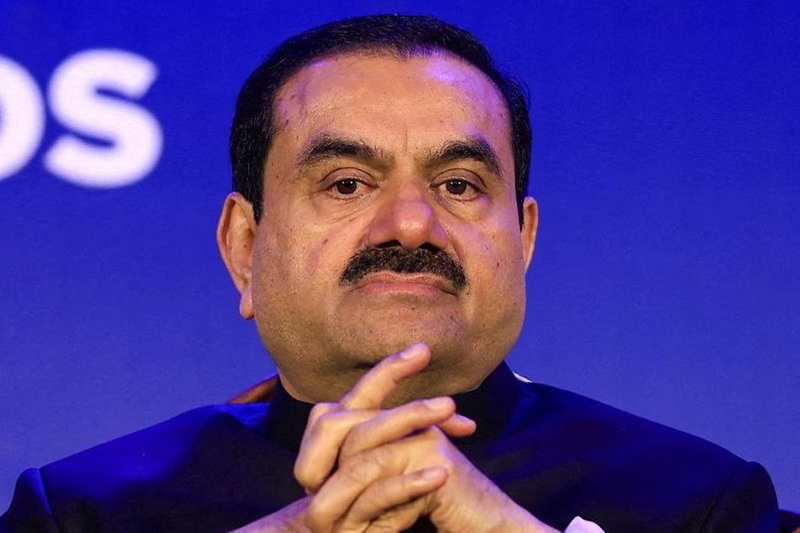
After nearly two years hanging over Gautam Adani’s head, the US criminal bribery case against him has officially ended. On August 10, 2026, a federal judge threw out the charges against Adani, his nephew Sagar Adani, and former Adani Green Energy CEO Vneet Jaain but not because anyone proved they were innocent. The Justice Department itself walked away from the prosecution, and the judge let it go.
So why did the US just drop it?
The DOJ’s reasoning boiled down to a few things: the alleged conduct happened almost entirely outside the US, the evidence was going to be a nightmare to prove in an American courtroom, and not insignificantly the government’s priorities had shifted. Rewind to 2024, and the original indictment was serious stuff: prosecutors accused Adani and his associates of orchestrating a bribery scheme worth hundreds of millions of dollars, allegedly paid to Indian officials to lock down solar power contracts. Adani always denied it. Then, under the Trump administration, the DOJ itself decided the case wasn’t worth pursuing anymore, citing the jurisdictional headaches and weak odds of winning at trial.
The judge wasn’t just going to rubber-stamp it
This is where it gets interesting. US District Judge Nicholas Garaufis didn’t just wave the case through. He pushed back, calling the government’s initial explanation thin, and demanded a real justification before he’d agree to dismiss such a high-profile indictment. More pointedly, he wanted to know if there’d been any kind of quid pro quo essentially, whether the case was dropped in exchange for something. That question mattered a lot given that Adani had separately pledged roughly $10 billion in US investments. In the end, per Reuters, the judge concluded that the pledge didn’t actually sway the DOJ’s decision. Still, the optics were enough to draw serious public scrutiny.
What the ruling actually changes
The charges were dismissed with prejudice legal language for “this can’t be refiled.” That’s a big deal. It means US prosecutors can’t simply bring the same case back later, and it clears one of the largest legal clouds hanging over the Adani Group. But don’t confuse this with a clean bill of health. The criminal case is separate from a civil settlement Adani and his nephew already agreed to with the SEC $18 million combined, paid without admitting or denying any wrongdoing.
More Stories You Shouldn’t Miss
Could Tom Holland’s Luxury Stay Surprise?
Discover the lavish details behind Tom Holland’s extravagant stay at Mumbai’s iconic Taj Mahal Palace.
What Makes India’s Brain Atlas Revolutionary?
Explore how Indian scientists are unlocking the mysteries of the human brain with cutting-edge 3D mapping.
Why Did US Seize Iranian Tanker?
Uncover the dramatic events behind the US Navy’s tanker seizure and its impact on India.
Why Reject Two Citizenship Offers?
Find out why Rashid Khan chose loyalty over offers from India and Australia.
How Did Vikram-1 Create History?
Check out how Skyroot’s Vikram-1 became a milestone for India’s private space ambitions.
What it means for Adani Group going forward
For the company, this is a real win. Removing the threat of a US criminal trial involving top leadership should help investor confidence and smooth the path for international financing and partnerships that legal uncertainty had been complicating. But critics see a different story here, one about whether prosecutorial decisions bend when a case involves powerful international business interests. Judge Garaufis’s pushback wasn’t just about this one case; it touched a bigger nerve about prosecutorial discretion versus public trust in the system.
Vindication or just relief?
Adani has already called the dismissal a vindication of his faith in “truth, fairness and the rule of law.” Whether the rest of the world sees it that way is a different question. The criminal case is closed, but the SEC settlement, the original allegations, and the questions around how this all wrapped up aren’t likely to fade quietly.
FAQs
1. Why was Gautam Adani’s US bribery case dropped?
The US Justice Department said the prosecution faced difficulties linked to its international nature, evidentiary challenges and changing enforcement priorities.
2. Did the US court find Gautam Adani innocent?
No. The dismissal ended the criminal prosecution but was not a trial verdict finding Adani innocent or guilty of the original allegations.
3. Can the criminal case against Adani be reopened?
The indictment was dismissed with prejudice, meaning the same criminal charges cannot simply be refiled.

