

Russia Election 2026: Online Voting System Hit by Cyberattacks as Parliamentary Vote Enters Second Day
Russia’s parliamentary elections ran into some serious digital turbulence this weekend. As the three-day vote entered its second day, officials confirmed that hackers had targeted the country’s electronic voting system, the first real test of that infrastructure since the war in Ukraine began back in 2022.
The Attack, in Brief
The worst of it hit overnight between Friday and Saturday, when Moscow’s remote voting system came under what officials described as a sustained attack. Ella Pamfilova, who heads Russia’s Central Election Commission, said the system was still being hit but hadn’t gone down so voters could still cast ballots online throughout.
Separately, Russia’s Digital Ministry reported a second incident: an attempt to sabotage communication lines out in the Far East. That one, they said, was caught and fixed before it caused lasting damage. Notably absent from either account: real technical details. No word on who exactly was behind it, how they pulled it off, or how serious the vulnerability actually was.
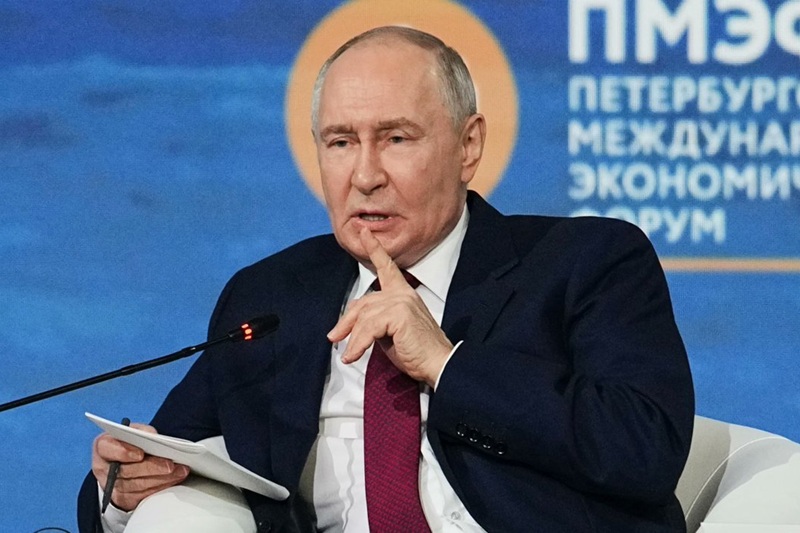
Putin, for his part, pointed the finger squarely at Ukraine. But there’s a catch: he didn’t offer any evidence to back that up, and Ukraine hasn’t claimed responsibility for anything.
Why this actually matters
Online voting isn’t a minor sideshow in Russian elections anymore, it’s become a real pillar of the process, especially in Moscow. So when something like this happens, it’s not just a technical hiccup. It’s a trust problem.
Here’s the thing worth sitting with: officials insist the attacks didn’t change any votes or take the system offline. That’s an important distinction: an attempted breach isn’t the same as a successful one. But perception matters here too. Even a failed attack can plant doubt, and doubt is corrosive to an election’s legitimacy, regardless of whether anything was actually compromised.
The Stakes Behind the Vote
This election is a big deal for a few reasons. It’s the first parliamentary vote since Russia invaded Ukraine, all 450 seats in the State Duma are up for grabs, and over 111 million people are eligible to vote. United Russia, the ruling party, is still firmly in control heading in.
It’s also happening in a political climate where dissent has real limits. The anti-war Yabloko party got knocked off the ballot entirely after a Supreme Court ruling, though a handful of its members are still running as individuals in specific districts. As of early afternoon on September 19, turnout nationwide sat at 32.58%, per state media citing the Election Commission’s own numbers.
What happens next
Voting wraps up September 20, with preliminary results expected shortly after polls close. The real story here, though, might not be resolved for a while whether Russian authorities ever release concrete evidence about who was behind the attacks, and how deep the vulnerabilities actually ran, will shape how this episode gets remembered.
FAQs
1. When is Russia’s 2026 parliamentary election being held?
Russia’s parliamentary election is being held over three days, from September 18 to September 20, 2026.
2. What was targeted in the reported cyberattacks?
Russian authorities reported attacks against Moscow’s online voting system and an attempted disruption of communication infrastructure in the Far East.
3. Did the cyberattacks stop online voting?
Russian officials said the electronic voting system remained operational and that the reported attacks were successfully repelled.
4. Has Russia proved who carried out the cyberattacks?
Russian officials have accused Ukraine of attempting to interfere with the election, but publicly available reports cited no evidence establishing Ukraine as the source of the attacks.
5. Why is the Russia Election 2026 being closely watched?
It is the first Russian parliamentary election since the full-scale invasion of Ukraine in 2022 and is taking place amid restrictions on anti-war political participation and heightened security tensions.
Related Articles You May Find Interesting
Why Did Crypto Clarity Act Fail?
Check out the key reasons the cryptocurrency bill failed to advance in the US Senate.
Who Are Trump’s New Envoy Picks?
Find out about Wesley Hunt and Kimberly Greenwood’s new diplomatic appointments.
Why Did US Expand Iran Sanctions?
Uncover the networks targeted by the latest US sanctions over alleged support for Hezbollah and Iraqi militias.
How Could Financial Power Shape Markets?
Explore Scott Bessent’s views on using financial power as a foreign policy tool and its global impact.
What Happened in Turmus Ayya?
Dive into the US ambassador’s West Bank visit amid rising settler violence in Turmus Ayya.

