

Tata Sons Boardroom Crisis: Why India’s Corporate Giant Faces a Major Leadership and Ownership Dispute
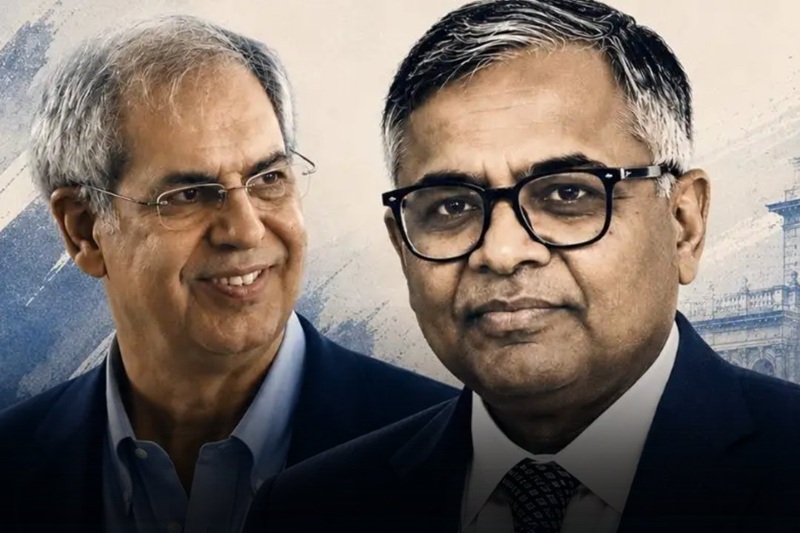
Something unusual is happening at the top of one of India’s biggest business houses. What was supposed to be a routine decision about who leads Tata Sons has instead turned into a public standoff between the company’s board and its own largest shareholder. The person at the center of it all is N Chandrasekaran, the group’s executive chairman though really, this fight is about more than just one man’s job.
How did this start?
On September 17, the Tata Sons board voted to give Chandrasekaran another five years in charge. That might not sound like news, except he’d already said he didn’t plan to seek reappointment when his term wrapped up in February 2027. So the board going ahead and reappointing him anyway caught people off guard.
It also didn’t sit well with Noel Tata, who chairs Tata Trusts and sits on the Tata Sons board as one of its nominee directors. He opposed the move. Chandrasekaran, for his part, stepped out of the vote since it concerned his own future. Tata Trusts didn’t just disagree quietly it came out and called the reappointment a “legal nullity,” pointing to Tata Sons’ Articles of Association, which it says require sign-off from Trust-nominated directors for a decision like this.
Why Tata Trusts gets to have this big a say
To understand why this matters so much, it helps to know how ownership actually works here. Tata Trusts controls roughly two-thirds of Tata Sons that’s a controlling stake, not just a seat at the table. And Tata Sons itself sits at the top of the entire Tata Group, the holding company through which everything else Tata Motors, Tata Steel, TCS, and the rest ultimately answers upward. The Shapoorji Pallonji Group holds a meaningful stake too. So when Tata Trusts pushes back this hard, it’s not a minor shareholder grumbling. It’s the majority owner effectively asking: does the board get to override us on something this significant? That question alone is enough to rattle a company’s governance structure and it’s also exposed some cracks among Tata Trusts’ own nominee directors, who don’t all seem to be on the same page either.
There’s a second fight happening at the same time: should Tata Sons go public?
As if the leadership question wasn’t enough, there’s a parallel battle brewing over whether Tata Sons should list publicly. The board has been taking steps in that direction. Tata Trusts wants none of it; it would rather Tata Sons stay privately held, the way it’s always been. This isn’t just a philosophical disagreement, though. The Reserve Bank of India has classified Tata Sons as an “Upper Layer” non-banking financial company, a category that comes with a regulatory requirement to eventually list. So the listing question isn’t purely optional anymore it’s tangled up with compliance.
If Tata Sons does go public, it would fundamentally change how the company relates to its shareholders, including Tata Trusts, and would open it up to a level of public investor scrutiny it’s never really had before.
Why this matters beyond the boardroom
Tata Group isn’t a small operation it spans tech, cars, aviation, steel, consumer goods, and finance. When there’s this much uncertainty at the very top of the structure, people down the chain investors, employees, business partners start paying close attention.
The real risk here is prolonged instability. If the board and Tata Trusts can’t find common ground on leadership and strategy, this could easily spill into legal battles or a broader shareholder standoff. The company’s upcoming annual general meeting is shaping up to be a real flashpoint where these tensions might come to a head. Beyond the immediate drama, there’s something bigger at stake: Tata has always run on a fairly unusual trust-based ownership model, and how this conflict resolved could set the tone for how that model functions going forward not just for this one reappointment or this one possible IPO, but for years to come. As of now, nothing’s settled. If anything, the September board decision didn’t close the chapter; it opened up a much bigger conversation about who really controls Tata Sons, and what its future looks like.
FAQs
1. What is the Tata Sons boardroom crisis?
It is a dispute between the Tata Sons board and Tata Trusts over N Chandrasekaran’s reappointment and the future ownership and listing structure of Tata Sons.
2. Who owns Tata Sons?
Tata Trusts holds about 66% of Tata Sons, making it the company’s largest shareholder.
3. Why is N Chandrasekaran’s reappointment controversial?
The Tata Sons board approved a new five-year term, but Noel Tata opposed the decision and Tata Trusts has challenged its validity.
4. Why is Tata Sons’ possible IPO important?
A public listing could change Tata Sons’ shareholder structure and the way its ownership and governance operate.
Related Articles You May Find Interesting
Why Did Crypto Clarity Act Fail?
Check out the key reasons the cryptocurrency bill failed to advance in the US Senate.
Who Are Trump’s New Envoy Picks?
Find out about Wesley Hunt and Kimberly Greenwood’s new diplomatic appointments.
Why Did US Expand Iran Sanctions?
Uncover the networks targeted by the latest US sanctions over alleged support for Hezbollah and Iraqi militias.
How Could Financial Power Shape Markets?
Explore Scott Bessent’s views on using financial power as a foreign policy tool and its global impact.
What Happened in Turmus Ayya?
Dive into the US ambassador’s West Bank visit amid rising settler violence in Turmus Ayya.

