

Japan Bathing Etiquette for Foreigners: Common Mistakes to Avoid When Bathing Naked in Japanese Onsen
Walk into your first onsen and the culture shock probably won’t be the hot spring itself, it’ll be the fact that everyone’s naked. That’s just how it’s done. But honestly, nudity isn’t what trips people up. What actually matters in a Japanese bathhouse is cleanliness, quiet, and being considerate of the people around you. Learn a handful of unwritten rules and you’ll blend right in.
Why is everyone naked?
Most traditional onsen don’t allow swimwear you go in as you are. Baths are usually split by gender, though a few places break from that norm. The logic behind it comes down to what the water’s actually for: soaking, not washing. So you’re expected to scrub down completely before you ever step into the shared tub. The Japan National Tourism Organization backs this up nude bathing is standard, and swimsuits generally aren’t part of the picture. If the idea of being naked around strangers makes you squirm, look for a kashikiriburo, a private bath you can rent out for just you (or your group).
The mistakes people actually make
1. Skipping the pre-bath shower
This is the big one. There’s almost always a washing station with a stool, a handheld shower, and soap or shampoo, use it. Rinse off completely before you get in. Nobody wants your suds floating around in the communal water.
2. Dunking your towel
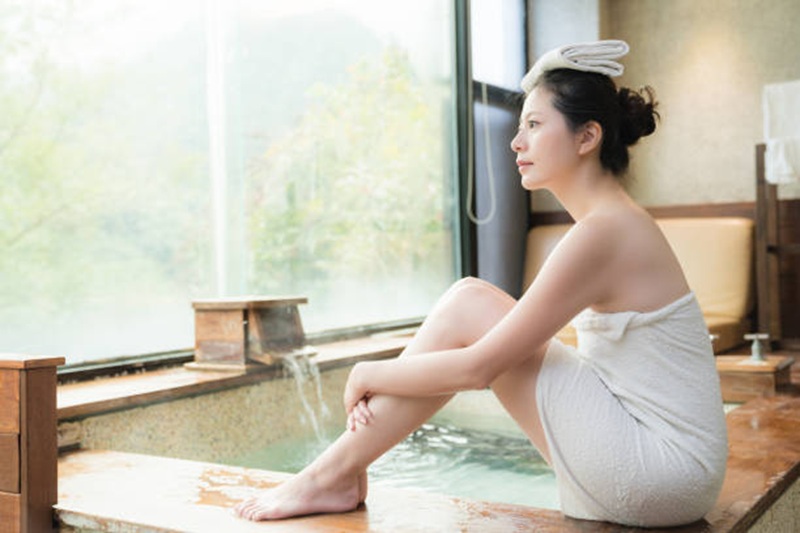
You can bring a small towel in with you, but it never touches the bathwater. Set it on the edge of the tub, or just fold it up and balance it on your head. You’ll see plenty of locals doing exactly that.
3. Letting your hair touch the water
Tie it up if it’s long. Same goes for your face, no dunking your head under. Onsen are for soaking, not swimming laps.
4. Being loud or splashy
This isn’t a pool party. People come to unwind in near-silence, so keep chatting down, don’t splash around, and definitely don’t swim. Ease in, find your spot, and just sit with the heat taking breaks is totally normal since the water can get seriously hot.
5. Not checking the tattoo policy first
This one trips up a lot of foreign visitors. Plenty of onsen still turn away guests with visible tattoos, though that’s loosening up in some places. Worth a quick check with the facility beforehand tattoo-friendly spots and private baths are becoming easier to find.
6. Bringing your phone in
Leave it in the locker. Photography inside the bathing area is a no-go almost everywhere, for obvious privacy reasons even a quick, harmless photo can make other bathers uneasy.
Why any of this matters
Onsen culture runs on two things: cleanliness and shared space. Following these customs isn’t really about dodging embarrassment, it’s a small way of respecting something that’s been woven into Japanese life for a long, long time.
JNTO’s 2026 guidance boils it down to a few essentials: wash first, keep your towel and hair out of the water, mind the tattoo rules, and just relax. And don’t stress about getting it perfect on your first try; most facilities post instructions, and watching what regulars do will get you most of the way there.
FAQs
Do I have to be naked?
In most traditional onsen, yes no clothes, no swimwear. Some mixed-gender or specialty spots play by different rules.
Can I wear a swimsuit?
Generally not, though it varies facility to facility.
Can I use a towel to cover up?
Yes, while you’re walking around just keep it out of the water itself.
Related Articles You May Find Interesting
Why Did Crypto Clarity Act Fail?
Check out the key reasons the cryptocurrency bill failed to advance in the US Senate.
Who Are Trump’s New Envoy Picks?
Find out about Wesley Hunt and Kimberly Greenwood’s new diplomatic appointments.
Why Did US Expand Iran Sanctions?
Uncover the networks targeted by the latest US sanctions over alleged support for Hezbollah and Iraqi militias.
How Could Financial Power Shape Markets?
Explore Scott Bessent’s views on using financial power as a foreign policy tool and its global impact.
What Happened in Turmus Ayya?
Dive into the US ambassador’s West Bank visit amid rising settler violence in Turmus Ayya.

