

Iran-US Tensions and Yemen War Intensify as World Leaders Gather for UN General Assembly
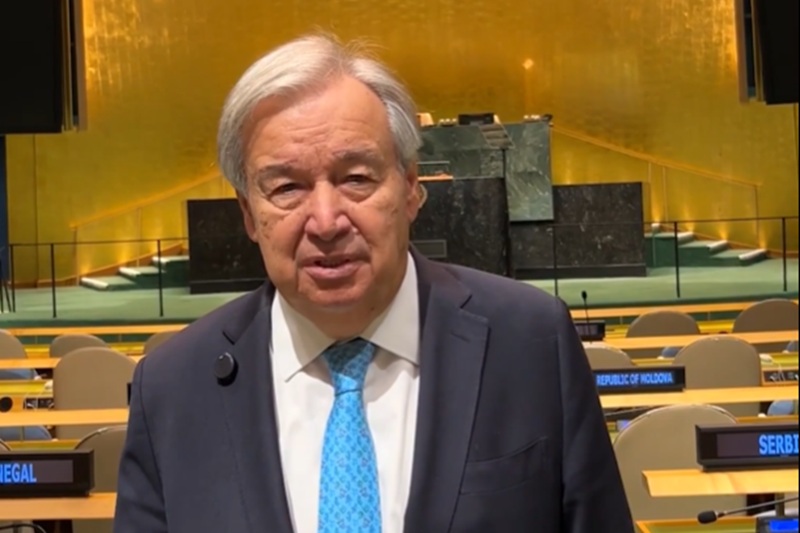
New York is about to be flooded with heads of state for the UN General Assembly’s high-level week, but the mood heading in is tense rather than celebratory. Two crises, the standoff between Washington and Tehran, and an intensifying war in Yemen are unfolding at the same time, and together they’re stirring real worry about where the Middle East is headed next, and what it might mean for the rest of the world.
Iran and the US are still trading warnings
The latest round of tension didn’t come out of nowhere; it’s the product of months of escalating military posturing and failed political openings. On September 20, President Trump warned Tehran of serious consequences if no deal gets done, and Iranian military officials fired back with their own warning: any renewed U.S. attack would be met with a strong response.
But it’s not all brinkmanship. There’s still a diplomatic thread here. Trump has floated the idea of sitting down with Iranian President Masoud Pezeshkian while everyone’s in New York, and Iran, for its part, has sent a serious delegation, including Foreign Minister Abbas Araghchi. The U.S. even approved visas for Iran’s president and foreign minister to attend, despite everything else going on, though the Iranian delegation is still operating under restrictions.
Yemen’s war is getting worse, and it’s about more than Yemen
Meanwhile, the fighting in Yemen has taken a sharp turn. The Houthis who are aligned with Iran have been pushing forward along the Red Sea coast and striking Saudi targets, and Saudi-led forces have been hitting back hard. Civilians are paying the price: the UN’s refugee agency says more than 100,000 people have already been forced from their homes inside Yemen as the fighting has picked up again, with some fleeing across the Red Sea into Djibouti.
What makes this more than a regional story is geography. The fighting is edging closer to the Bab el-Mandeb Strait, one of the busiest shipping corridors on the planet. If that route gets seriously disrupted, it’s not just a Yemen problem anymore; it starts hitting the flow of oil, food, and goods moving between Asia, Europe, and the Middle East.
Why this matters even if you’re nowhere near the region
The Red Sea and the Strait of Hormuz are both critical arteries for global trade and energy, and when either one gets shaky, the ripple effects travel fast. Higher shipping risk tends to mean higher insurance and transport costs, and any real hit to energy supply can push fuel prices and inflation up in places thousands of miles away.
Markets are already paying attention. Reuters reported on September 21 that oil prices actually dipped, with traders betting that the UN gathering might open some room for U.S.-Iran diplomacy and ease pressure on Saudi exports.
The UN meeting as a pressure test
That’s what makes this year’s General Assembly with general debate running September 22 to 28 feel higher-stakes than usual. Beyond diplomacy, there are very practical concerns on the table: energy security, shipping costs, food prices, and civilian safety.
The gathering gives countries a chance to push for talks instead of more escalation, but nothing is guaranteed. It really comes down to two open questions: can the U.S. and Iran find a way to narrow their differences, and can the Saudi-Houthi fighting be contained before it spreads further.
What to watch for
The next few days will likely determine whether this moment cools off into renewed diplomacy or tips into something bigger. For most people around the world, any fallout will probably show up first in gas prices, shipping costs, and market jitters. For people in Yemen and the surrounding region, though, the stakes are already immediate and personal.
With so much of the world’s leadership in one city at once, all eyes are on whether this week produces real diplomatic movement or just more warnings.
FAQs
1. Why are Iran-US tensions rising?
The United States and Iran remain divided over security, military actions and the conditions for renewed negotiations. Both sides have issued warnings as the conflict continues.
2. How is Yemen connected to the Iran-US conflict?
The Houthis in Yemen are aligned with Iran, while Saudi Arabia supports forces fighting them. Houthi attacks and the Saudi response have therefore become part of the wider regional security crisis.
3. Why is the Yemen conflict important to the global economy?
Yemen sits near the Bab el-Mandeb Strait, a major shipping route. Disruption there can increase risks and costs for international trade and energy shipments.
4. What is the UN General Assembly discussing this week?
The 81st session’s general debate runs from September 22 to 28, bringing world leaders together to discuss international issues, including peace and security.
5. Could the UN meeting lead to Iran-US talks?
There are indications that diplomatic contacts remain possible, including Trump’s stated openness to meeting Iran’s president. However, no breakthrough should be assumed before talks actually take place.
Catch up on the latest developments shaping Putin, Zelenskyy, and Russia-Ukraine diplomacy.
Why Did Putin Rename The Pipeline?
Check out the reasons behind Russia’s major gas pipeline name change.
Why Did Putin’s Alaska Visit Fail?
Find out why the Alaska meeting ended without a ceasefire agreement.
Will Zelenskyy and Putin Finally Talk?
Uncover what the planned Turkey ceasefire talks could mean for both sides.
Why Did Putin Announce Victory Day Ceasefire?
Browse the details behind Putin’s May 8–10 ceasefire announcement.
Is Zelenskyy Ready For Peace Talks?
See why Zelenskyy expressed willingness to meet Putin if it could save lives.

