US-China Critical Minerals Race: Can America Reduce Its Dependence on Chinese Rare Earth Supplies in 2026?
Your phone, your car and the fighter jets overhead share a hidden ingredient most people have never heard of. One country controls almost all of it.
Why Rare Earths Matter
Rare earths are 17 metals used in electric vehicle motors, wind turbines, chips and weapons. You only need tiny amounts, but without them, modern manufacturing stalls. China refines over 90% of the world’s rare earths, and it guards that expertise closely.
How We Got Here
In April 2025, Beijing introduced export controls in retaliation for US tariffs. A truce followed in October 2025, and China suspended a tougher round of controls. But the earlier restrictions stayed in place.
Latest Updates: Truce, Then Tension
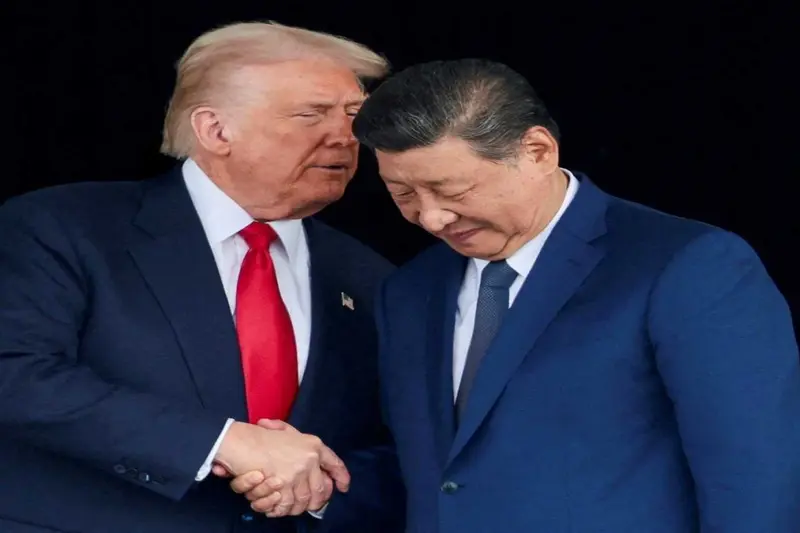
After the May 2026 Trump-Xi summit, the White House said China would address shortages of yttrium, scandium, neodymium and indium. Yet analysts found China’s export regime largely unchanged.
Then things got sharper. On June 22, China barred dual-use exports to 10 US entities, including MP Materials and USA Rare Earth. Beijing framed it as a response to US actions against Chinese military-linked firms. The clock is also ticking. One analysis warns that the suspension of China’s wider controls could lapse in November.
What America Is Doing About It
Washington is spending big. The Pentagon became the largest shareholder in MP Materials with a $400 million investment. A second magnet factory is expected to begin commissioning in 2028. There’s also “Project Vault,” a $12 billion strategic minerals reserve launched in February 2026. And the Pentagon has set a January 2027 deadline for sourcing certain rare earth materials outside China.
The Reality Check
So, can America cut its dependence this year? Not fully. Mining ore is the easy part. Processing it and turning it into magnets is where China’s lead is hardest to match, and new plants take years. One market analysis called China’s June move largely symbolic, since the US takes only about 10% of China’s monthly magnet exports. Still, it showed Beijing can squeeze American projects when it wants to. My read is that 2026 will bring real progress on defense supplies but not independence. Heavy rare earths, which China still processes at roughly 99%, remain the toughest gap.
Why It Matters to You
If supply tightens, carmakers and electronics companies feel it first, and prices can follow. Defense costs and clean energy plans are exposed too. Watch November’s deadline, because that is when the next real test arrives.
Explore the Latest Developments Shaping US-China Relations
Could Taiwan Tensions Reshape US-China Relations?
Uncover how China’s latest Taiwan message could influence cross-strait tensions and future diplomatic ties.
Why Are Giant Pandas Returning to Atlanta?
Discover how a decade-long panda stay signals renewed US-China cooperation in wildlife conservation.
Will AI Dominate the Trump-Xi Summit?
Explore how artificial intelligence competition could shape the next phase of US-China relations.
Could China Pharma Deals Benefit Washington?
Find out why Washington may approve most licensing agreements with Chinese drugmakers.
Will Fresh Sanctions Delay US-China Talks?
Track down how new sanctions could complicate negotiations and deepen tensions between Washington and Beijing.