

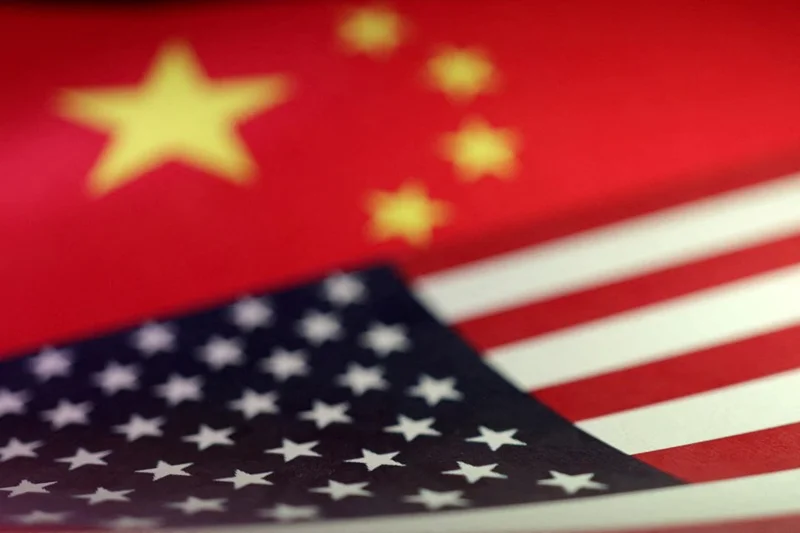
US-China Relations Under Pressure: How Fresh Sanctions Could Delay Key Talks
Just when it looked like Washington and Beijing were gearing up for another round of high-level talks, a fresh batch of sanctions and export restrictions has thrown a wrench into things. It’s a familiar pattern by now diplomacy inches forward, then political tension yanks it back and it’s got people worried that trade, tech, and security disputes will once again get pushed to the back burner. Both sides say they still want to keep talking. But analysts aren’t so sure the sanctions won’t get in the way.
What’s New
China recently slapped sanctions on a handful of American companies and tightened its export controls on drones and related tech, a move Beijing describes as retaliation for Washington’s own restrictions, including tighter tech controls and import bans targeting Chinese firms. None of this is happening in a vacuum. It’s landing on top of an already shaky relationship that’s been strained for years by tariffs, export bans, and fights over AI, semiconductors, and critical minerals. So far, neither country has canceled any planned meetings. But experts think these new measures could still slow things down or make future talks harder to pull off.
Why Anyone Outside Washington or Beijing Should Care
The US and China are the two biggest economies on the planet, so when their relationship wobbles, everyone feels it. The talks that have been on the table cover a lot of ground: tariffs, rare earth minerals, tech exports, farm trade, investment rules, the stuff that actually shapes prices and supply chains worldwide. Earlier rounds of negotiation had managed to calm things down after some rocky stretches. But trust is fragile, and every new sanction chips away at it a little more.
The Economic Ripple Effect
Markets watch this relationship closely for good reason any disruption tends to spread fast. Companies that rely on Chinese factories or American technology could see costs climb if restrictions keep piling up, and sectors like electronics, EVs, aviation, and AI are especially exposed. Investors are wary that a drawn-out standoff could gum up global trade, push inflation higher, and leave multinational businesses guessing. Eventually, that uncertainty tends to trickle down to ordinary people pricier goods, delayed product launches, or tech that’s just harder to get.
Is There Still Room for Diplomacy?
Here’s the thing: despite all the friction, both governments keep saying they’d rather talk than fight. Conversations about future meetings are still happening behind the scenes, aimed at managing disagreements before they spiral. But analysts point out that every new sanction raises the political cost of compromise even leaders who genuinely want a deal have less room to maneuver. Whether the next round of talks can stay focused on practical economic issues, rather than tit-for-tat retaliation, will say a lot about where this is headed.
More Stories You Shouldn’t Miss
Could Tom Holland’s Luxury Stay Surprise?
Discover the lavish details behind Tom Holland’s extravagant stay at Mumbai’s iconic Taj Mahal Palace.
What Makes India’s Brain Atlas Revolutionary?
Explore how Indian scientists are unlocking the mysteries of the human brain with cutting-edge 3D mapping.
Why Did US Seize Iranian Tanker?
Uncover the dramatic events behind the US Navy’s tanker seizure and its impact on India.
Why Reject Two Citizenship Offers?
Find out why Rashid Khan chose loyalty over offers from India and Australia.
How Did Vikram-1 Create History?
Check out how Skyroot’s Vikram-1 became a milestone for India’s private space ambitions.
A World Watching From the Sidelines
This isn’t just a US-China story. Countries everywhere lean on a stable relationship between the two for economic growth, investment, energy security, and tech development. If tensions keep escalating, expect more businesses to start diversifying away from either country, accelerating a broader split between the two economic spheres. For allies and trading partners, that means bracing for a more fragmented global economy, one where geopolitics increasingly dictates business decisions, not just markets. The next few weeks could go either way: diplomacy regaining some footing, or another round of sanctions pushing real progress further out of reach.
FAQ:
Why the tension now?
New sanctions, tech restrictions, and unresolved trade and security disputes.
Could this delay talks?
Analysts think it’s likely, or at least complicates them.
Who gets hit hardest?
Tech, semiconductors, AI, drones, EVs, and the supply chains tied to them.
Why should the rest of the world care?
These two economies are so large that their friction reshapes trade, inflation, and investment globally.
Is there still hope?
Yes both sides keep signaling they want to talk, even if it’s getting harder to actually do it.

