South China Sea Tensions Return to Focus as ASEAN Leaders Prepare for Regional Summit
Imagine a stretch of water where fishing boats, coast guard ships and billions of dollars in trade share the same space, and nobody fully agrees on who owns what. That’s the South China Sea. This weekend, it lands squarely on the table in Manila.
What’s Happening This Week
Southeast Asian and other world leaders meet in Manila from Sunday, November 15, for the final summit of the Philippines’ year as ASEAN chair. President Donald Trump is due at a special ASEAN-US summit on November 17.
The Long-Delayed Rulebook
At the center of the talks is a “code of conduct.” China and ASEAN began negotiating it in 2005, hoping to stop occasional confrontations from turning into a major conflict. In plain terms, it’s a set of ground rules that asks everyone to show restraint.
Here’s the catch. Three regional diplomats say the two sides won’t conclude the talks this year, as they had agreed. Roughly 80% of the text is provisionally settled. The last sticking points are the geographic scope, the definition of sensitive terms, and whether the deal should be legally binding. Negotiations will move to next year, when Singapore takes over the ASEAN chair.
Why It Matters to Everyday People
This isn’t just a diplomatic squabble. The waterway is a key global trade route, and it is believed to sit above undersea oil and gas deposits. A serious clash could threaten the economies that depend on it.
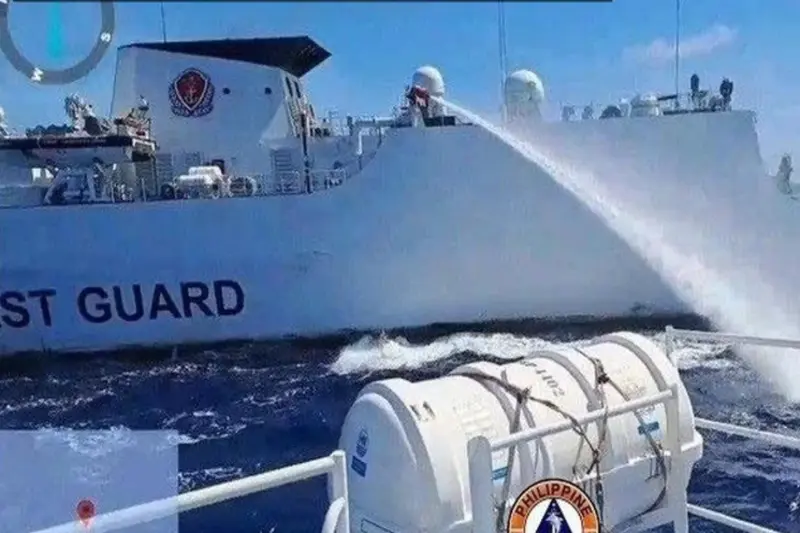
The risk is real. Confrontations between Chinese and Philippine coast guard and naval forces have escalated in recent years. Washington says it is obligated to defend the Philippines if its forces come under armed attack, while China tells the US to stay out of what it calls a purely Asian dispute.
What the Experts Say
Opinions on the code are mixed. Manila-based analyst Julio Amador III argues it may not fully deter aggression, but combined with diplomacy and stronger military capability, it can make would-be aggressors think twice. Philippine critics are more wary. Former Supreme Court Justice Antonio Carpio has warned that a code without reference to the 2016 arbitral ruling could legitimize China’s artificial islands.
Explore the Global Tensions, Security Risks, and Climate Shifts Shaping Tomorrow
Can the China-ASEAN Deal Secure the South China Sea?
Why Are ASEAN Leaders Holding Emergency Talks?
Could a Polar Vortex Disrupt Winter?
Find out how polar vortex changes could bring extreme winter weather to Europe and North America.
Is China Increasing Pressure Near Taiwan?
Could China’s Rare Earth Curbs Disrupt Technology?