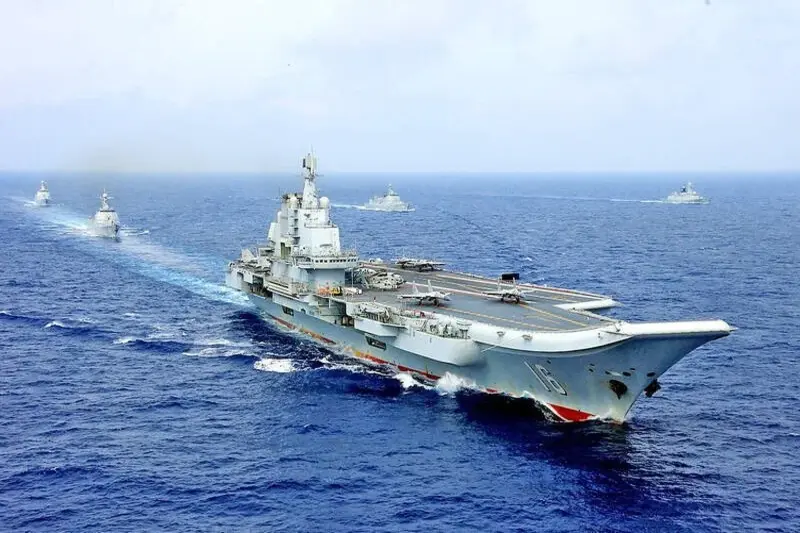
China’s Military Activity Near Taiwan: What Rising Tensions Mean for U.S. Pacific Strategy and Regional Security in 2026
No announcement. No warning. Just warships and aircraft quietly gathering in the western Pacific. China recently held large exercises near Taiwan without prior notice, and Taiwanese officials called it “silent intimidation.” For people living in the middle of this standoff, that silence says a lot.
What’s Happening Around Taiwan Right Now
China’s military activity near Taiwan hasn’t let up. On November 8, Taiwan detected four Chinese aircraft and six naval vessels nearby, days after accusing China’s coast guard of harassing ships off its eastern coast. Taiwanese officials worry the overlapping military, paramilitary and civilian activity could be preparation for a maritime blockade.
The numbers can also spike. Taiwan once logged 49 Chinese aircraft sorties in 24 hours, its highest single-day total this year.
How We Got Here
The pressure has changed shape since June. Researchers at ACLED say coast guard and survey vessels have become more active, and China held a live-fire exercise east of Taiwan on July 19, plus its first reported naval drill there with a foreign navy. Britain, France and Germany publicly raised alarm over “novel Chinese activity” east of the island.
Analysts read this as a slow effort to make China’s presence, and its claimed jurisdiction, feel ordinary.
Why It Matters for U.S. Pacific Strategy
Washington’s signals have been mixed. After meeting Xi Jinping in Beijing, Trump called a pending Taiwan arms sale a “very good negotiating chip” and said it was “in abeyance.” Under the 1982 Six Assurances, the U.S. pledged not to consult China on such sales. The White House says its Taiwan policy is unchanged. Resources are also stretched. Chatham House notes that U.S. military assets have been diverted from the Indo-Pacific to the Middle East.
Not everyone sees a retreat. One Hudson Institute analyst says the U.S. approved $11 billion in arms sales in December 2025, so there’s no urgent need for another package, and the next could come in December or later.
What It Means for Everyday People
This isn’t only a military story. Taiwan is central to the global chip supply, so a blockade would hit shipping, electronics prices and markets far beyond Asia. Allies such as Japan, whose leader has already hinted at involvement in a Taiwan crisis, would be pulled in too.
Discover How Taiwan’s Rising Tensions Could Impact America’s Tech Future and Everyday Costs
How Could Taiwan’s Chip Industry Affect Americans?
What Should Americans Know About China-Taiwan Tensions?
Could South China Sea Tensions Hit Your Wallet?
Could Taiwan Strait Tensions Disrupt America’s AI Boom?
Could a Taiwan Chip Crisis Raise Prices?