

Why ASEAN Foreign Ministers Are Holding Emergency Security Talks on the US-Iran Conflict and South China Sea Tensions
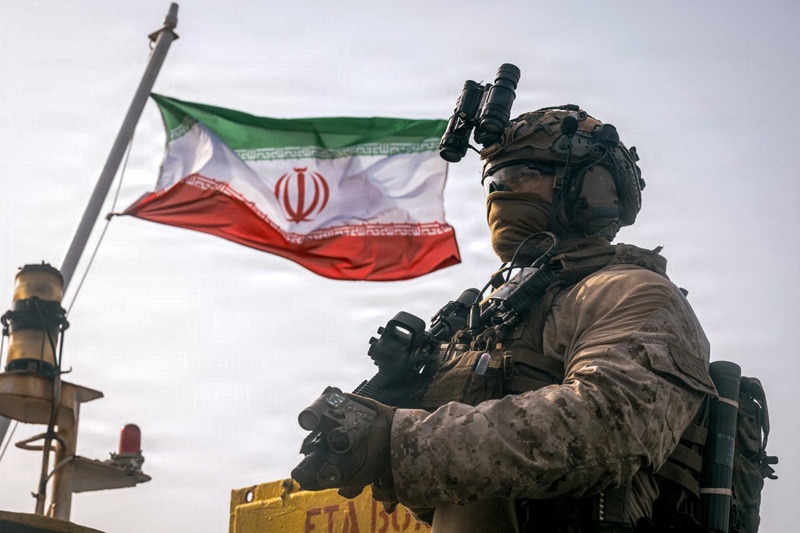
As Middle Eastern and Indo-Pacific tensions escalate, Southeast Asian nations are re-evaluating their security agendas. ASEAN foreign ministers held emergency security talks on the possible impact on the region as the US-Iran conflict raised fears of wider regional instability and disputes in the South China Sea have escalated. The gathering underscores growing concern about how geopolitical crises thousands of miles away can quickly reverberate across Southeast Asia through disruptions to trade, energy prices, maritime security and regional diplomacy. ASEAN is facing unparalleled challenges to sustain stability.
Why ASEAN Is Holding Emergency Security Talks
The emergency talks were convened as global security risks increased on two fronts. The ongoing US-Iran dispute has created uncertainty over oil supplies and international shipping routes, while tensions in the South China Sea continue to raise concerns about military activity and freedom of navigation. Member countries of ASEAN rely heavily on international trade and the stability of shipping lanes. Any disruption in the Persian Gulf or the South China Sea will directly affect the region’s economic growth and energy security. The foreign ministers are likely to discuss coordinating diplomatic responses, boosting regional cooperation and reaffirming ASEAN’s commitment to peaceful dialogue rather than military confrontation.
How the US-Iran Conflict Affects Southeast Asia
Southeast Asia may be a long way from the Middle East, but a prolonged US-Iran conflict could have major consequences. The Gulf region is a major exporter of crude oil and liquefied natural gas to many ASEAN countries. If tensions disrupt energy exports or key shipping routes like the Strait of Hormuz, fuel prices could skyrocket across Asia. Higher energy prices will likely add to transportation and manufacturing costs and prices for consumers, adding to pressure on economies still struggling to recover from global inflation. Geopolitical uncertainty could also translate into more volatile financial markets as investors seek safer assets.
Why the South China Sea Remains a Major Concern
Meanwhile, the South China Sea remains one of the world’s most sensitive geopolitical flashpoints. China has overlapping territorial claims with several ASEAN members, including the Philippines, Vietnam, Malaysia and Brunei. Regional anxiety has also been heightened by recent maritime incidents involving coast guards, naval vessels and fishing boats. The South China Sea is a vital area for international commerce, accounting for almost a third of the world’s maritime trade. Any escalation could disrupt supply chains and impact global shipping. ASEAN leaders have repeatedly called for peaceful negotiations, respect for international law and faster progress on a long-awaited Code of Conduct for the disputed waters.
What ASEAN Wants to Achieve
The emergency meeting is expected to discuss a number of priorities:
- Preventing regional tensions from deteriorating.
- Strengthening diplomatic cooperation between member states.
- Protecting freedom of navigation and international commercial shipping routes.
- Increased cooperation on maritime security.
- Upholding ASEAN’s centrality in regional diplomacy.
ASEAN has traditionally encouraged a neutral and dialogic approach rather than taking sides in global power rivalries. This allows the organization to interact with major powers while maintaining regional stability.
Keep Reading: Discover More Expert Insights, Health Breakthroughs & Inspiring Stories
1. What Drives Your Best Performance?
2. Could Insulin Pills Change Diabetes?
3. How Did She Lose Weight?
4. Why Is Vikram-1 Historic?
Explore how Skyroot’s Vikram-1 launch marked a major milestone in India’s private space journey.
5. Are You Protecting Your Hearing?
Why These Talks Matter
Security experts say the outcome of the talks could influence ASEAN’s diplomatic approach for months ahead. A coordinated regional response could soothe investors, build confidence in Southeast Asian markets and ease fears of wider instability. But failure to find common ground could lay bare rifts in ASEAN at a time of heightened geopolitical competition. For companies, reliable shipping routes are important for exports, manufacturing and global supply chains. International conflicts could also lead to higher fuel prices and inflation that consumers would feel. The talks also illustrated the increasing role of ASEAN as a diplomatic bridge between the world’s great powers. The bloc also wants to avoid any destabilisation of South East Asia by encouraging dialogue over confrontation on external conflicts.
FAQs
1. Why are ASEAN foreign ministers holding emergency security talks?
They are discussing the growing dangers of the US-Iran confrontation and brewing tensions in the South China Sea that threaten regional peace, trade and energy security.
2. What is the impact of the US-Iran conflict on ASEAN countries?
The conflict could disrupt shipping routes and create economic uncertainty throughout Southeast Asia, drive up fuel prices and threaten global oil supplies.
3. Why does the South China Sea matter?
It is one of the world’s busiest maritime trade routes, and it has significant economic and strategic relevance for both regional and global commerce.

