

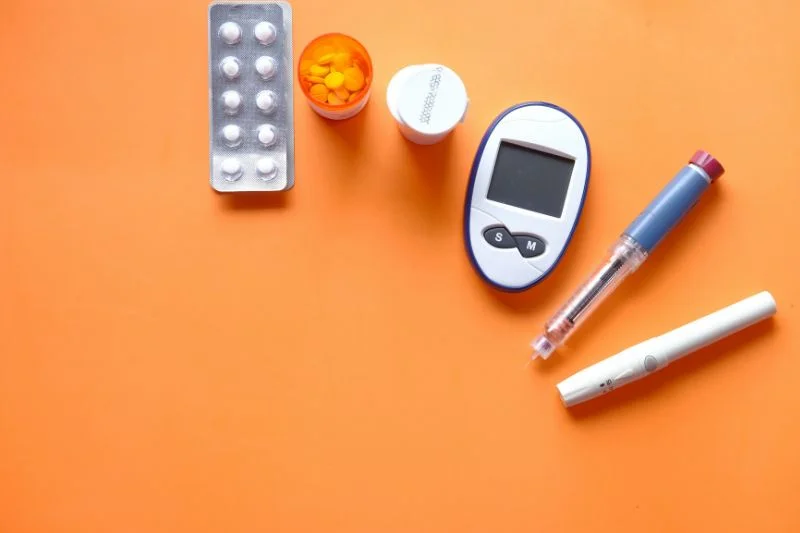
Can Insulin Be Replaced by a Pill for Type 1 Diabetes? Doctors Explain the Latest Research
Every day millions of people with type 1 diabetes have to inject themselves with insulin. It’s no wonder, then, that headlines about an “insulin pill” tend to spark hope that injections may soon be history. But how close are scientists to bringing that dream to life? Scientists have made great strides toward oral insulin and other pill-based treatments. But doctors say there’s a significant difference between promising lab breakthroughs and treatments ready for everyday use. What the latest research really says and if insulin injections could one day be a thing of the past.
Why Type 1 Diabetes Still Requires Insulin
Type 1 diabetes is an autoimmune disorder where the immune system attacks and destroys insulin-producing beta cells of the pancreas. Without insulin the body is unable to move glucose from the blood into the cells where it is used for energy. Unlike Type 2 diabetes, where the body still produces some insulin, people with Type 1 diabetes have to have insulin replacement to survive. This is why insulin injections or insulin pumps still remain the standard treatment worldwide. Diabetes specialists warn that missing insulin can cause dangerously high blood sugar levels and diabetic ketoacidosis (DKA), a life-threatening medical emergency, within days.
Can Insulin Be Replaced by a Pill? Here’s What Research Says
For decades scientists have been trying to develop a pill of oral insulin. The biggest challenge is that insulin is a protein.” When swallowed, it is digested by stomach acid and digestive enzymes before it reaches the blood stream . To solve this problem scientists are experimenting with new methods of:
- Insulin protected from stomach acid by special coatings
- Nano-sized particles that can safely deliver insulin through the digestive tract
- Special absorption enhancers to help insulin cross the intestinal wall
- Smart capsules that release insulin only once they reach the small intestine
Several experimental oral insulin products have shown encouraging results in early clinical trials. However, none has yet proven reliable enough to replace injected insulin for people with Type 1 diabetes. Doctors caution that while progress is real, these treatments are still under investigation and are not approved as a substitute for insulin injections.
What Other Pills Are Being Studied?
Researchers are also looking at drugs that could work in conjunction with insulin, rather than as a substitute. Some drugs that are already used in Type 2 diabetes have been tested in people with Type 1 diabetes to see if they improve blood sugar control or reduce insulin needs. However, many of these drugs can increase the risk of complications such as diabetic ketoacidosis, so careful patient selection is essential. Experts say there is no oral medication now that can replace the need for insulin in Type 1 diabetes.
FAQs
1. Can someone with Type 1 diabetes take insulin in pill form?
No. There is not currently a pill form of insulin that could replace insulin injections in the treatment of Type 1 diabetes.
2. Why is it so difficult to create a pill for insulin?
Insulin is a protein that is broken down by your stomach acid and digestive enzymes before it can get into your blood stream .
3. Are scientists working on oral insulin?
Yeah. Several research groups are working on oral insulin with advanced delivery technologies, but these products are still in the clinical trials.
Don’t Stop Here — Explore More Trending Stories You’ll Want to Read Next
How Dangerous Is Cyclospora Infection?
Explore the symptoms, treatment, and prevention tips for the parasite spreading across the US.
Why Is Shein Planning An IPO?
Check the latest report on Shein’s Hong Kong IPO plans and what it means for the fashion giant.
Can Your Smartwatch Drain Your Energy?
Discover why your smartwatch may leave you feeling tired even after a full night’s sleep.
What Caused Spain’s Deadly Wildfire?
Explore the latest updates on the devastating Almeria wildfire, casualties, and rescue efforts.
Can AI Detectors Miss Deepfakes Easily?
Discover how Reuters’ test exposed weaknesses in Meta AI’s image detection system.

