Global Temperatures and Melting Ice Reach Alarming Levels: What the Latest Climate Report Reveals
Another month, another record, and that’s exactly what worries scientists. October 2026 was the hottest October ever measured, and the ice at both ends of the planet is feeling it. If that sounds like déjà vu, that’s the point.
What the Latest Climate Report Says
According to Europe’s Copernicus Climate Change Service, October’s global average surface air temperature was 1.75°C above the pre-industrial level, with a global average of 15.35°C. It was also the third consecutive month above the 1.5°C mark set by the Paris Agreement. The oceans are just as hot. Sea surface temperatures outside the polar regions hit 20.95°C, the highest ever for October and the fourth straight monthly record.
Why Melting Ice Is Part of the Story
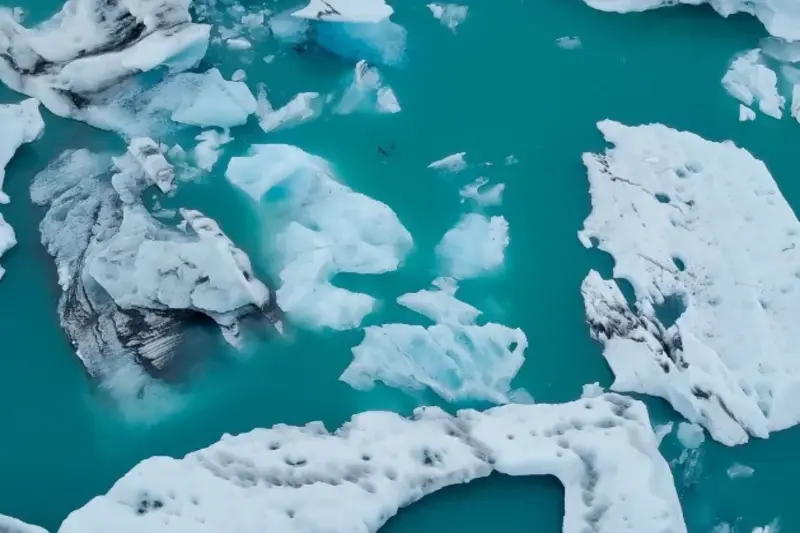
Warm air and warm water are tough on ice. Arctic sea ice averaged 7.1 million km² in October, 8.5% below the long-term average. Antarctic ice was 9.3% below average, ranking second lowest for the month.
Why care about floating ice? It works like a giant white mirror, bouncing sunlight back into space. Lose it, and the dark ocean absorbs more heat, which melts even more ice.
El Niño Is Adding Fuel
Part of the surge comes from El Niño, a natural Pacific weather pattern. Copernicus attributed the record to El Niño adding to climate change-driven warming, and NOAA says the event is forecast to strengthen further. Copernicus now estimates 2026 will finish between 1.56°C and 1.61°C above pre-industrial levels.
Why It Matters for Everyday Life
One hot month doesn’t mean the Paris goal has failed, since that target is judged over decades. Still, the direction is hard to ignore. Hotter oceans can fuel stronger storms and heavier rain. Heat waves strain power grids and damage crops. Those pressures tend to show up later in grocery bills, insurance premiums and electricity costs.
For coastal communities, the bigger long-term worry is ice on land, such as glaciers and ice sheets. Unlike floating sea ice, those raise sea levels when they melt.
Explore the Climate Crisis, Rising Temperatures, and Global Challenges Reshaping Our Planet
What Do Record Global Temperatures Mean?
Why Is the Mediterranean Sea Heating Up?
Why Is Global Hunger Declining Despite Challenges?
How Is Extreme Heat Overwhelming Italian Hospitals?
Can Global Taxes Compensate Climate-Vulnerable Nations?