China and ASEAN South China Sea Deal: Why the Dispute Still Matters for U.S. Security
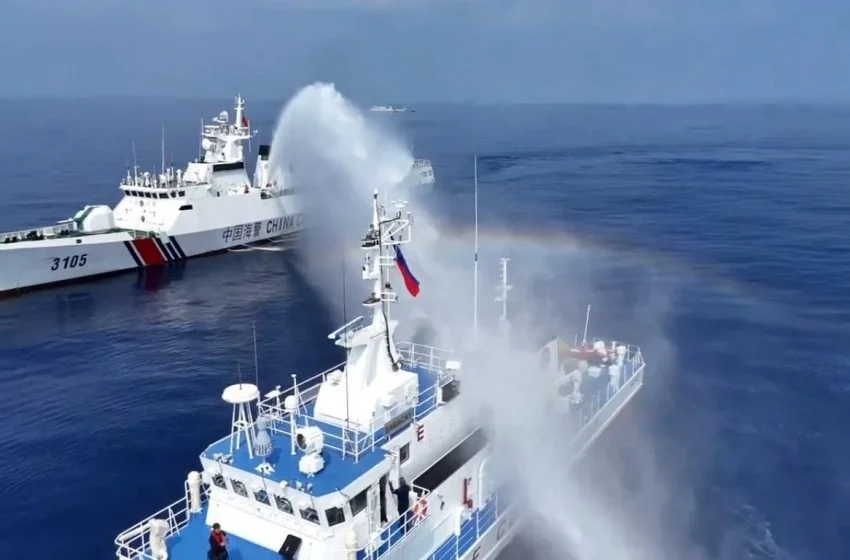
One bad call at sea is all it would take. A coast guard ship swerves too close, a water cannon fires, a sailor gets hurt. Suddenly a faraway argument over reefs and shoals becomes America’s problem. That risk is why the long-awaited South China Sea deal matters, and why this week’s delay deserves attention.
A South China Sea Deal That Won’t Make the Deadline
Three senior regional diplomats told the AP on Wednesday that China and ASEAN will not finish the code of conduct this year, as they had agreed. About 80% of the text is provisionally settled.
The remaining 20% is the hard part. The open questions are the agreement’s geographic scope, how sensitive terms are defined, and whether it will be legally binding. Talks will carry into next year, when ASEAN’s leadership passes to Singapore.
Background: Two Decades of Talking
China and ASEAN began negotiating in 2005. The idea is simple. Agree on rules of restraint so tense encounters don’t snowball. A 2002 declaration already exists, but it is nonbinding and hasn’t prevented repeated confrontations. China, Brunei, Malaysia, the Philippines, Vietnam and Taiwan all have overlapping claims. The waters are a key trade route and are believed to sit above oil and gas deposits.
Why It Matters for U.S. Security
Washington says it must defend the Philippines, its oldest treaty ally in Asia, if Filipino forces come under armed attack, including at sea. Beijing tells the U.S. to stay out of what it calls a purely Asian dispute.
Put those two positions near a crowded shoal and the problem is clear. Maritime experts warn that without a binding code, an unchecked incident could escalate into a naval conflict, even though commercial shipping is largely unaffected for now.
What Experts and Governments Are Saying
Manila-based analyst Julio Amador III says a code alone can’t stop aggression, but combined with diplomacy and stronger defenses it can make a would-be aggressor think twice.
There’s also a quiet tug-of-war over who gets a say. The Philippines wants any code to protect the rights of third countries. China argues it should remain an ASEAN–China process.
Explore the Global Events, Travel Challenges, and ASEAN Developments Shaping Today’s World
Why Is America Losing International Tourists?
Why Could Philippines Ferry Victim Identification Take Months?
Why Is ASEAN Holding Emergency Security Talks?
What Are The Most Important ASEAN Facts?