

China’s Rare Earth Export Restrictions: How New Trade Curbs Could Disrupt U.S. Technology Supply Chains in 2026
The buzz in your phone, the motor in an electric car and the guidance system in a fighter jet all depend on a few obscure metals most people have never heard of. One country controls most of them.
Why China Holds the Cards
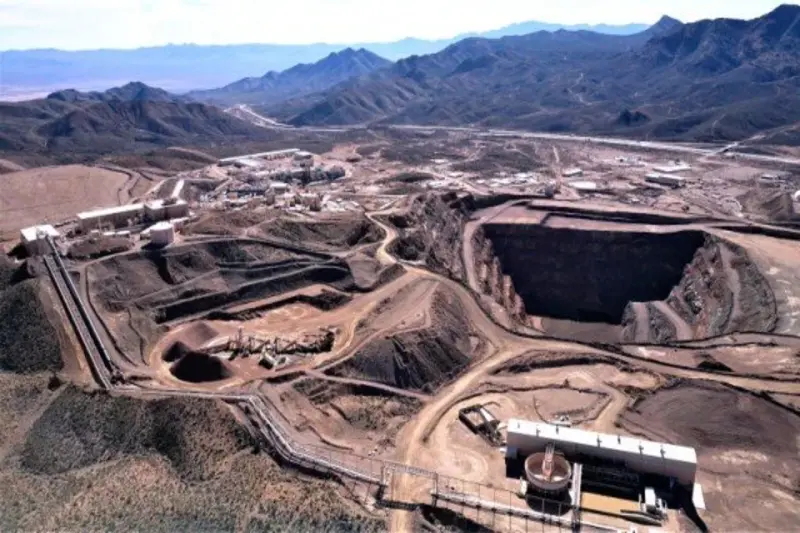
China produces about 75% of the world’s mined rare earths and handles roughly 85% of processing. For terbium, yttrium and dysprosium, its share tops 95%. These elements go into the powerful magnets that run EV motors, wind turbines, drones and defense hardware.
How We Got Here
In April 2025, Beijing put seven medium and heavy rare earths under export licensing. That October it widened the net sharply, even reaching foreign-made products that contain Chinese-origin materials. Then came a trade truce. China suspended the sweeping controls until November 2026.
The Latest: Another Reprieve, Not a Fix
The clock was due to run out on November 10. One day earlier, China extended the pause on its most sweeping controls to January 10, 2027, with Trump-Xi talks on the horizon. The April licensing system, however, stays in place.
So the relief is real but thin. Supply flows today, but Beijing can still decide who gets it.
Why It Matters for U.S. Tech
Think of it as a tap. Analysts note that China can restrict specific countries or end users, then ease up whenever it likes. And it has shown it will. In June 2026, China added 10 American companies, including MP Materials and USA Rare Earth, to its control list.
Then there’s the rule about foreign-made goods. It would require a Chinese license to resell certain products containing 0.1% or more of a China-origin rare earth. That is a tiny amount, and it could pull a huge range of electronics into Beijing’s reach if the suspension ever lapses.
For ordinary buyers, the effect would show up slowly. Think delayed EV deliveries, pricier electronics and shakier factory schedules.
Can the U.S. Break Free?
Slowly, yes. The tighter controls have helped non-Chinese producers such as Australia’s Lynas, though sourcing inputs outside China costs more. Recycling and new refineries are gaining ground, but they still struggle with equipment, expertise and raw material.
Explore the Global Battle for Critical Minerals, Trade Power, and Economic Security
Can America Break China’s Rare Earth Dominance?
Discover how the US plans to reduce its dependence on Chinese critical mineral supplies in 2026.
Why Are US Rare Earth Shipments Delayed?
What Triggered the Japanese Yen’s Sudden Surge?
Are Rare Minerals China’s Newest Geopolitical Weapon?
Which US Industries Face Supply Chain Risks?

