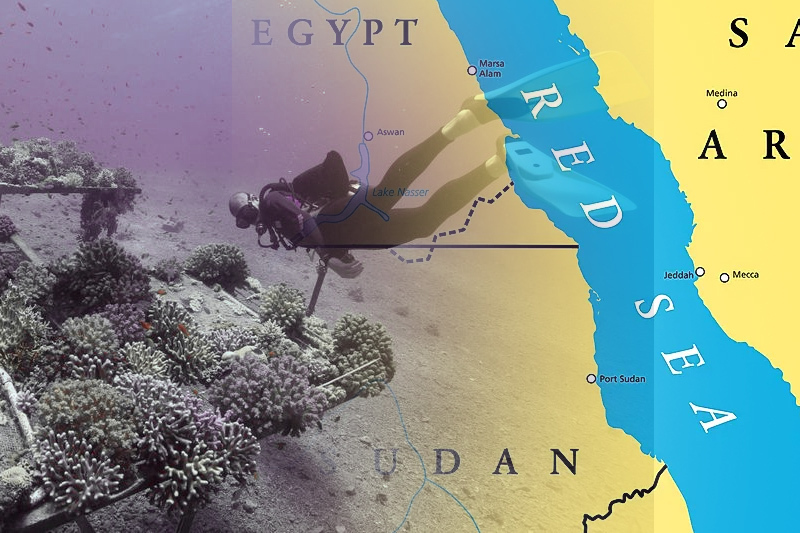
Devastating Epidemic Threatens Resilient Coral Reefs in the Red Sea
A deadly epidemic has emerged in the Red Sea, causing the complete extinction of an entire species of sea urchin known as the black sea urchin. The disappearance of these sea urchins, which are renowned for their role in maintaining the health of coral reefs, poses a significant threat to the Gulf of Aqaba’s unique and resilient coral ecosystems. Researchers from Tel Aviv University have identified a disease-causing ciliate parasite as the probable culprit, raising concerns about the potential consequences for the region’s marine biodiversity.
Mass Mortality and Rapid Spread
The research team from Tel Aviv University discovered that the population of black sea urchins in the Gulf of Aqaba was entirely wiped out within a span of just a few months. The devastating effects of the epidemic were also observed in neighboring countries such as Jordan, Egypt, and Saudi Arabia. Reports of mass mortality among sea urchins have surfaced, indicating that the parasite has spread throughout the Red Sea region.
The Deadly Culprit
The suspected cause of this catastrophic epidemic is a disease-causing ciliate parasite, possibly the same one that has ravaged sea urchin populations in the Caribbean. The parasite inflicts rapid and severe damage, leading to the death of a healthy sea urchin within a mere two days. The affected sea urchins rapidly deteriorate, with significant tissue loss, often ending up as skeletons. Some wash ashore dead, while others are consumed by fish, potentially accelerating the spread of the disease.
Keep Reading
Invasion and Cross-contamination
The initial signs of trouble appeared in the Mediterranean Sea, where the black sea urchins had inadvertently invaded through the Suez Canal and established a new habitat. Reports of sea urchin deaths in Greece and Turkey were initially dismissed, as the species was considered invasive. However, the disease-causing pathogen has now crossed back into the natural population in the Red Sea, resulting in dire consequences.
Threats to Coral Reefs
Sea urchins, particularly the black sea urchins, play a crucial role in maintaining the delicate balance of coral reef ecosystems. These sea creatures help regulate algae growth by feeding on it, preventing excessive algae accumulation that can block sunlight and suffocate the reefs. The absence of sea urchins leaves the coral reefs vulnerable to overgrowth, endangering the diverse marine life that relies on these ecosystems for survival.
Protecting Coral Reefs and Mitigating the Crisis
Realizing the gravity of the situation, the research team has submitted a report to Israeli environmental authorities, highlighting the urgent need for action. Emergency measures are being explored to safeguard the imperiled coral reefs. The unique characteristics of the Gulf of Aqaba’s coral reefs, which settled thousands of years ago after passing through a thermal barrier, have made them more resilient to rising temperatures, a global threat to reefs. Preserving the remaining coral reefs becomes crucial, as they provide a habitat for countless marine species and contribute to the ecological stability of the region.
The deadly epidemic devastating the black sea urchins in the Red Sea poses a severe threat to the resilience and health of the Gulf of Aqaba’s coral reefs. The rapid spread of the disease-causing ciliate parasite has caused mass mortality, indicating a potential ecological crisis. Urgent measures are required to protect the remaining coral reefs and mitigate the consequences of the sea urchin extinction. Preserving these unique ecosystems is not only crucial for marine biodiversity but also essential for the sustainability and well-being of the surrounding coastal communities.