What is a Cloudburst that shook Disasters in Pakistan, India, and Beyond
A cloudburst is an extreme weather event characterized by a sudden and intense downpour of rain over a small area, often leading to flash floods and landslides. It typically involves rainfall exceeding 100 mm within an hour, overwhelming natural drainage systems. Cloudbursts are especially common in mountainous regions where the terrain amplifies their destructive potential.
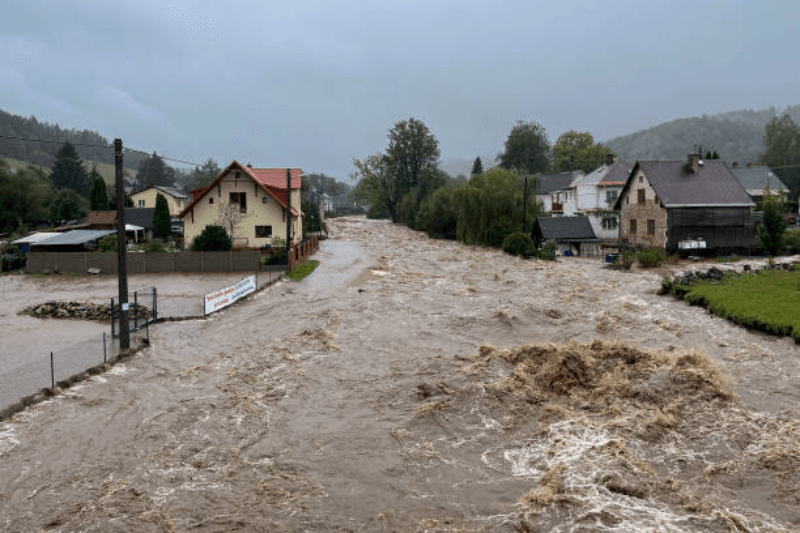
Entire villages were swept away as torrential rain caused deadly flash floods and landslides in India-controlled Kashmir and northern Pakistan. Dramatic video shows the devastation in the neighboring countries as the death toll is expected to rise. Here's what happened:… pic.twitter.com/gkUKFdG7jN
— The Weather Channel (@weatherchannel) August 15, 2025
How Does a Cloudburst Occur?
Cloudbursts happen when moist air rapidly ascends over mountains, cooling and condensing to form heavy clouds. When these clouds become saturated, they release a massive volume of water in a very short time. Unlike normal rainfall, which is gradual, cloudbursts unleash torrents that can flood valleys, erode soil, and cause sudden landslides. The steep slopes in regions like the Himalayas further intensify water flow, causing catastrophic damage downstream.
Recent Cloudburst Disasters in Asia and the West
South Asia, particularly India and Pakistan, has witnessed several devastating cloudbursts in recent years. In 2023, parts of Pakistan’s mountainous northern regions faced severe cloudbursts that triggered flash floods, damaging infrastructure and displacing thousands. Similarly, in India, cloudbursts in Himachal Pradesh and Uttarakhand have caused tragic loss of life and widespread destruction.
Cloudbursts are not confined to Asia. Western countries, such as the US and parts of Europe, have also reported intense localized storms with characteristics similar to cloudbursts, often resulting in urban flash floods.
Can Cloudbursts Be Prevented?
While preventing a natural phenomenon like a cloudburst is impossible, disaster management and mitigation strategies can reduce damage:
- Early Warning Systems: Improved weather forecasting and real-time monitoring can alert residents of impending cloudbursts.
- Land Use Planning: Restricting construction in vulnerable flood plains and unstable slopes reduces risks.
- Infrastructure Design: Building effective drainage systems and flood barriers helps manage sudden water surges.
- Community Awareness: Educating locals on evacuation and emergency response ensures quicker action during events.
In conclusion, cloudbursts remain a severe threat to mountainous and vulnerable regions worldwide. Strengthening predictive capabilities and community preparedness are vital to reducing the human and economic toll of these sudden, intense rainfalls.