Why BRICS expansion isn’t a strategic threat to the US
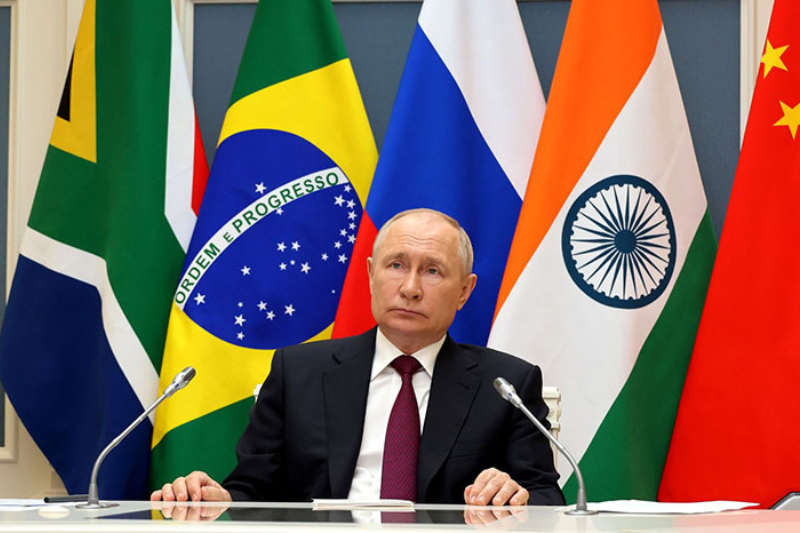
Last month, the BRICS – represented by Brazil, Russia, India, China and South Africa – extended invitations to Argentina, Egypt, Ethiopia, Iran, Saudi Arabia and the UAE to join the alliance in 2024. Despite widespread enthusiasm, the economic bloc isn’t a strategic threat to the US.
The alliance has a long list of structural challenges to overcome, with divergent international perspectives and internal conflicts of interest expected to pose complex challenges to the group for the foreseeable future, according to Geopolitical Monitor.
Let’s understand the international intelligence publication’s view on the BRICS expansion. Argentina and Egypt grapple with endless economic crises as they remain heavily indebted to their international creditors, namely institutions set up by the US.
It appears the countries’ joint interest in joining the economic bloc is to balance their dependence on the West by shifting a portion of their financial burden onto the shoulders of other potential creditors such as Beijing.
Keep Reading
Western Institutions Remain United By Core Values
Ethiopia was ravaged by the Tigray War. That devastation is aggravated by concerning famine and drought in its North. Although the country lately has been experiencing exponential economic growth, historic capital outflows remain a major source of concern.
Along with Saudi Arabia and the UAE, China is one of India’s top five economic partners. Before the end of the 21st century, China and India will both be major powers that share a border longer than 3,400 km. But the two countries remain at odds on a multitude of issues.
Unlike the BRICS, Western institutions led by the US remain united by core values like democracy, Geopolitical Monitor added. The North Atlantic Treaty Organisation is one of the most successful international organisations in history, despite its critics.
The shield has been protecting democracies across North America and Europe since the end of WWII. In fact, the territorial integrity of NATO member states has remained unharmed for nearly eight decades. Other Western institutions such as the EU and G7 have also been running strong.